
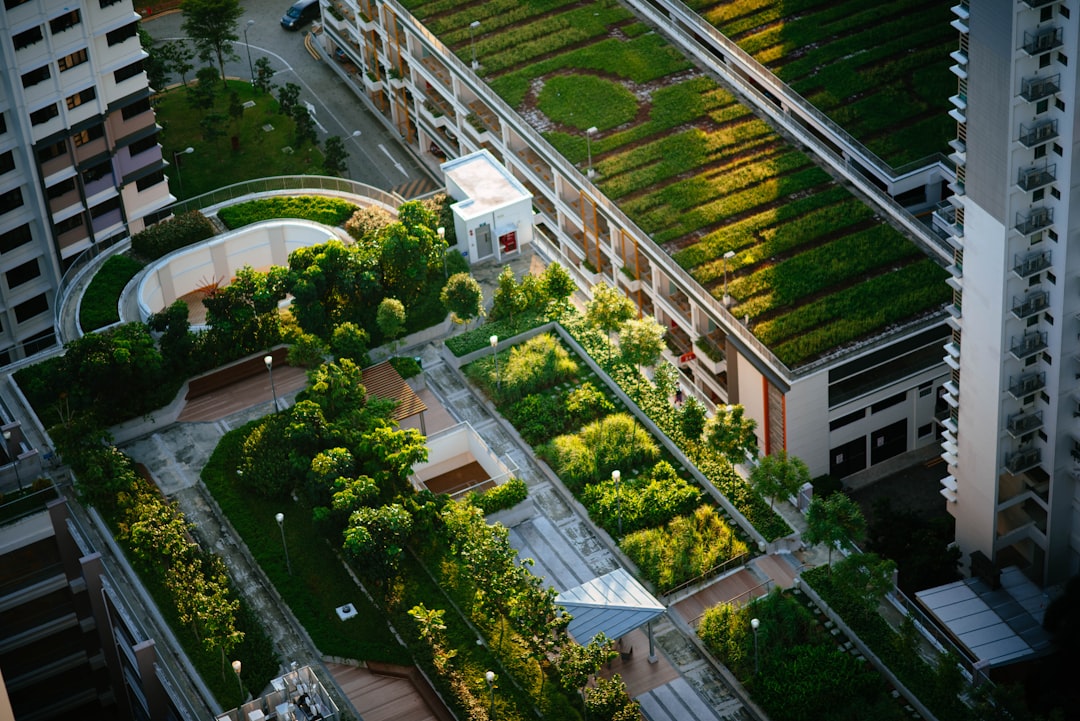
A roof covered not in tiles or membrane but in living plants — grasses, sedums, shrubs or even trees — is a green roof. Far more than a garden put on top of a building, a green roof is a carefully layered system that lets vegetation grow on a roof while protecting the structure beneath from water. Green roofs cool buildings, manage rainwater, support wildlife and soften the hard surfaces of cities, and they have become a central tool in sustainable architecture.
This article explains what a green roof is, how the layered system works, the main types, the real benefits it delivers, and the structural and waterproofing requirements that make the difference between a green roof that performs for decades and one that leaks or overloads the building.
What a green roof is
A green roof (also called a living roof or vegetated roof) is a roof whose surface is planted with vegetation growing in a layer of growing medium, supported by a series of engineered layers that drain water, retain moisture and keep water out of the building. It is the deliberate combination of plants and a waterproof, drained roof build-up.
The crucial distinction is that a green roof is a system, not just soil and plants. Beneath the visible vegetation lies a stack of layers — typically a waterproof membrane, a root barrier, a drainage layer, a filter layer and the growing medium — each with a specific job. Get these layers right and the roof thrives while staying dry below; get them wrong and roots penetrate the membrane or water ponds and the structure suffers.
How a green roof works: the layers
From the structural roof deck upward, a typical green roof build-up includes:
- Waterproof membrane: the critical barrier that keeps water out of the building. Everything else sits on top of it, and it must be durable and reliable because it is buried and hard to repair.
- Root barrier: protects the membrane from being pierced by plant roots seeking water.
- Drainage layer: lets excess water flow away to the roof drains so the growing medium does not become waterlogged, while often retaining some water for the plants.
- Filter layer: a fabric that stops fine particles of growing medium from washing into and clogging the drainage layer.
- Growing medium: a lightweight, engineered substrate (not ordinary garden soil) that supports the plants while staying as light as possible.
- Vegetation: the plants themselves, chosen to suit the depth of medium, the climate and the maintenance regime.
Together these layers let the roof hold and slow rainwater, support plant growth, and keep the structure beneath dry. Water that the plants and medium cannot absorb drains away in a controlled way rather than running straight off as it would from a bare roof.
Types of green roof
Green roofs are usually divided into two broad categories by the depth of growing medium and intensity of planting:
- Extensive green roofs have a shallow growing medium (a few centimetres to around fifteen) and low, hardy, drought-tolerant planting such as sedums and grasses. They are lightweight, need little maintenance and are not usually intended to be walked on. They suit large roof areas and retrofits where weight is limited.
- Intensive green roofs have a deep growing medium supporting a much wider range of plants, including shrubs and trees, and function as genuine roof gardens that people use. They are heavier, need irrigation and regular maintenance, and demand a structure designed to carry the load.
A “semi-intensive” middle ground also exists. The choice depends on what the roof is for, how much weight the structure can carry, and how much maintenance is acceptable.
The benefits of green roofs
Green roofs deliver a combination of benefits that explains their popularity in sustainable and tropical design:
- Stormwater management. The roof absorbs and slows rainwater, reducing the volume and peak rate of run-off, which eases pressure on drainage systems — valuable in dense cities prone to flash flooding.
- Cooling and insulation. The vegetation and growing medium shade the roof and provide evaporative cooling, lowering roof surface temperatures, reducing heat gain into the building below and helping counter the urban heat-island effect.
- Biodiversity and amenity. Living roofs provide habitat for insects and birds and, in intensive form, usable green space for people.
- Roof protection and air quality. By shielding the waterproof membrane from temperature extremes and ultraviolet light, a green roof can extend its life, and the planting helps trap dust and pollutants.
In a hot, wet tropical climate these benefits are especially relevant: cooling and stormwater control are both high priorities, and green roofs and walls have become a visible part of the architecture of cities like Singapore, supporting broader environmental and sustainable design goals.
Structural and waterproofing requirements
A green roof is heavy, and that weight is the first structural concern. The growing medium, plants, drainage layers and retained water all add dead and live load to the roof — and crucially, a saturated green roof after heavy rain weighs considerably more than a dry one. The roof structure must be designed to carry the fully saturated weight of the chosen system plus, for accessible roofs, the people using it. This is why the type of green roof has to be decided early and the structure designed around it; loading an existing roof that was never meant for a green roof can be unsafe.
The second non-negotiable is waterproofing. Because the membrane is buried under the entire build-up, a leak is difficult and expensive to find and fix. The waterproofing and root barrier must be specified, installed and tested to a high standard before the planting goes on. Drainage and the connection to roof outlets must also be designed so water always has a clear path away.
These are precisely the points where coordination between architect and engineer matters. If you are planning a green roof — new build or retrofit — the loading and the waterproofing detailing need professional attention, and our structural-engineering consultancy can confirm the roof can carry it safely.
Frequently asked questions
What is a green roof?
A green roof is a roof planted with living vegetation growing in a layer of growing medium, supported by an engineered system of waterproofing, root barrier, drainage and filter layers that lets plants thrive while keeping water out of the building.
What is the difference between extensive and intensive green roofs?
Extensive green roofs have a shallow growing medium with low, hardy planting, are lightweight and low-maintenance; intensive green roofs have a deep medium supporting shrubs and trees, function as usable roof gardens, and are much heavier, needing irrigation, maintenance and a stronger structure.
What are the main benefits of a green roof?
Green roofs absorb and slow rainwater to ease drainage, cool the building and the city by shading and evaporative cooling, provide habitat and usable green space, and protect the waterproof membrane from temperature extremes, extending its life.
Do green roofs add a lot of weight?
Yes; the growing medium, plants, drainage layers and especially retained water add significant load, and a saturated green roof after heavy rain weighs much more than a dry one, so the roof structure must be designed for the system’s fully saturated weight.
Can a green roof be added to an existing building?
Sometimes, but only after an engineer confirms the existing roof can carry the additional saturated weight; lightweight extensive systems are more often feasible on retrofits, while heavier intensive roof gardens usually require a structure designed for them from the start.
Related reading
- Passive House (Passivhaus) Explained: The Five Principles
- Mixed-Use Development Explained: Uses, Pros and Cons
- Adaptive Reuse in Architecture Explained
- Biomimicry in Architecture Explained
Planning a green roof and need the loading and waterproofing confirmed for your structure? Talk to our consultancy or get in touch.


