

Radius of Gyration: Formula, Meaning and Worked Example
The radius of gyration is a single length that describes how the area of a cross-section, or the mass of a body, is spread…

Field notes by 仲谷仁孝 — on how good buildings are designed, engineered and made to last.
The radius of gyration is a single length that describes how the area of a cross-section, or the mass of a body, is spread…

The mass moment of inertia measures how hard it is to change the rotation of a body about an axis. It plays the same…

A rectangular hollow section (RHS) is a closed steel tube with a rectangular cross-section, one of a family of hollow structural sections that also…

A universal beam (UB) is a hot-rolled steel I-section with parallel flanges, produced in a standard range of sizes and used for beams in…
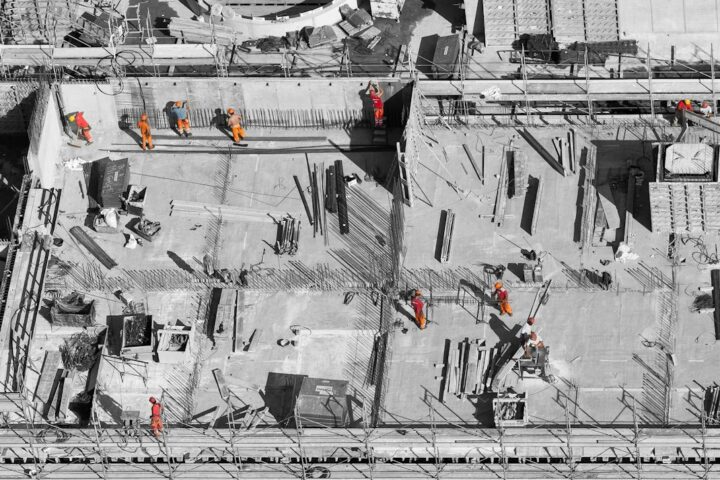
Every construction activity carries hazards: work at height, lifting, excavation, hot work, electricity, moving plant. A risk assessment construction teams carry out properly identifies…

Personal protective equipment is the most visible part of site safety: the helmet, boots and vest that everyone on a building site wears. Construction…