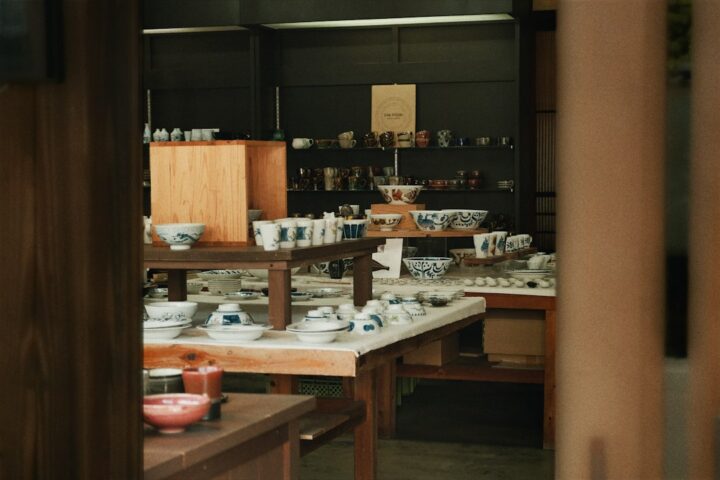
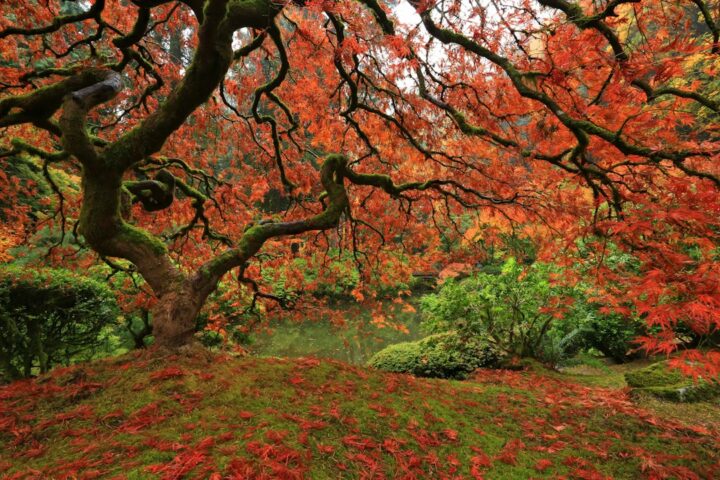
Shizen is one of the quieter principles in Japanese aesthetics, and one of the easiest to misread. It is usually translated as “naturalness,” but it does not simply mean using natural materials or imitating wild landscapes. Shizen describes a designed naturalness — a deliberate effort that conceals its own effort, so that the result feels uncontrived and at ease. In Japanese architecture and gardens, shizen is the discipline of making something carefully composed look as though it could not have been otherwise.
Understanding shizen helps explain why a Japanese room, a tea garden or a timber detail can feel both highly intentional and completely unforced. This article looks at what shizen means, where it comes from, and how it shows up in building, planting and craft — alongside related ideas such as wabi-sabi and kanso that share the same restraint.
What shizen actually means
The word shizen (自然) is the same word modern Japanese uses for “nature,” but in the aesthetic sense it carries an older nuance: spontaneity, the absence of forced intention, things being as they are. The paradox at its heart is that this quality has to be achieved on purpose. A gardener who wants a stream to look natural must study how water actually moves and then shape the bed to match. The naturalness is real, but it is the product of judgement, not accident.
This separates shizen from mere wildness. An untended plot of land is not shizen; it is simply neglected. Shizen sits between raw nature and obvious artifice — refined enough to be coherent, restrained enough to hide the designer’s hand. When people describe Japanese design as effortless, what they are usually responding to is shizen: effort that has been absorbed completely into the result.
Roots in Shinto, Zen and the seasons
Shizen draws on several deep currents in Japanese culture. Shinto, the indigenous belief system, treats natural features — mountains, old trees, rocks, waterfalls — as dwelling places of kami, sacred presences. That reverence encourages working with nature rather than overriding it. Many Shinto practices favour leaving materials close to their natural state, which is one reason untreated timber and plain stone carry such weight in Japanese building.
Zen Buddhism added another layer: the idea that enlightenment is found in ordinary, immediate reality, not in elaborate construction. A Zen sensibility prizes the unadorned and the spontaneous. Layered over both is Japan’s acute attention to seasonal change — the cherry blossom, the autumn maple, the first snow. Shizen embraces this impermanence rather than resisting it, which connects it closely to mono no aware, the gentle awareness of transience, and to wabi-sabi, the beauty of the imperfect and weathered.
Shizen in architecture and materials
In building, shizen shows most clearly in how materials are treated. Traditional Japanese carpentry leaves timber visible and often unpainted, so that the grain, knots and natural colour of the wood remain part of the room. Hinoki cypress, sugi cedar and keyaki zelkova are chosen partly for their working qualities and partly for how honestly they age. A post is shaped to do its job and then left to speak for itself.
Sometimes shizen is taken further still. In sukiya-style and teahouse architecture, builders deliberately use a slightly curved or barked log as a post — the so-called nature post — so that the irregularity of the tree becomes a feature rather than a flaw. The same instinct governs earthen plaster walls that keep the texture of sand and straw, and stone steps set so they look as if they settled there over time. Much of this thinking carries straight into the traditional Japanese house, where natural materials are allowed to read as themselves.
Shizen also shapes how a building meets its site. Rather than imposing a hard boundary, Japanese design tends to dissolve the edge between inside and out — through deep eaves, sliding screens, verandas and framed views — so that the structure feels settled into its surroundings instead of stamped onto them. This connection to landscape is a core idea in our wider survey of architectural styles and principles.
Shizen in the garden
The Japanese garden is perhaps the fullest expression of shizen. A stroll garden or tea garden may look like a fragment of mountain forest, but almost nothing in it is accidental. Rocks are selected for shape and orientation and set so their best face reads as natural. Streams are routed to suggest the way water finds its own course. Trees are pruned over years so their form looks weathered by wind rather than cut by hand.
This is the essence of designed naturalness: every element is composed, yet the composition is meant to disappear. The gardener works to make the human intention invisible, so the visitor experiences not a design but a place. Even the dry rock garden, or karesansui, which is plainly abstract, relies on shizen — its raked gravel and stones are arranged to evoke water, islands and shorelines without literally copying them. Naturalness here is suggestion, not imitation.
Shizen and the family of Japanese aesthetics
Shizen rarely works alone. It is one of several principles often grouped together as the foundations of Japanese aesthetic practice, and it overlaps heavily with its neighbours. Kanso, the principle of simplicity, removes the unnecessary so that the natural can be seen clearly. Seijaku, tranquillity, is the calm that uncontrived design tends to produce. Wabi-sabi finds beauty in the worn and incomplete, which is naturalness allowed to age.
Together these ideas describe a single attitude from different angles: trust the material, remove the surplus, accept change, and hide the effort. Shizen is the strand that keeps the others honest. Simplicity without naturalness can become sterile and hard; tranquillity without it can feel staged. Shizen reminds the designer that the goal is not to display control but to release it at exactly the right moment.
Applying shizen in a modern interior
You do not need a temple or a teahouse to work with shizen. In a contemporary home, the principle translates into a few clear habits. Favour materials that are honest about what they are — solid timber rather than printed laminate, plaster rather than plastic, stone and clay over high-gloss synthetics. Let those materials age instead of forcing them to stay pristine.
Resist the urge to over-arrange. A shizen interior is composed but never rigid; it leaves room for asymmetry, for an off-centre placement, for the slight irregularity that makes a space feel alive. Bring in views of the outside, daylight that changes through the day, and a small amount of living material — a single branch or a plant — so the seasons remain present in the room. These ideas sit comfortably within a calm approach to interior design, and our consultancy often works with homeowners who want this restraint without sacrificing sound construction.
Frequently asked questions
What does shizen mean in Japanese design?
Shizen means naturalness or spontaneity. In design it refers to a deliberately created sense of the natural — work that is carefully composed yet looks effortless and uncontrived, hiding the designer’s hand so the result feels at ease.
How is shizen different from simply using natural materials?
Using natural materials is only part of it. Shizen is about the quality of feeling unforced. A space can use timber and stone and still feel stiff; shizen requires that the arrangement itself reads as natural, with the effort behind it concealed.
How does shizen relate to wabi-sabi?
They are closely linked. Wabi-sabi finds beauty in imperfection, weathering and impermanence, while shizen is the broader principle of naturalness. Allowing a material to age honestly, as wabi-sabi prizes, is one way shizen expresses itself over time.
Is a Japanese garden an example of shizen?
Yes, it is one of the clearest examples. A Japanese garden looks like wild nature but is highly designed — rocks, water and pruned trees are arranged so the human intention disappears and the visitor experiences a natural-feeling place rather than an obvious composition.
Can shizen be applied in a modern home?
It can. Use honest materials, let them age rather than forcing them to stay perfect, avoid over-arranging, keep some asymmetry, and bring in daylight and views of the outside so the seasons stay present. The aim is calm naturalness, not strict control.
Is shizen one of the seven principles of Zen aesthetics?
Yes, shizen is one of the seven principles of Zen aesthetics described by the philosopher Shin’ichi Hisamatsu, alongside fukinsei (asymmetry), kanso (simplicity), koko (austerity), yugen (subtle profundity), datsuzoku (freedom from convention) and seijaku (tranquillity). In that scheme, shizen means naturalness without pretence or forced intention. The principles overlap heavily and are best read together rather than as separate rules.
What is the difference between shizen and biophilic design?
Shizen is an aesthetic ideal of unforced, designed naturalness, while biophilic design is a modern Western framework for connecting people with nature to support health and wellbeing. Biophilic design often focuses on measurable features such as daylight, plants and views. Shizen is more about attitude: hiding the designer’s hand so that a composed space feels as though it simply grew that way.
How can shizen work in a tropical home in Singapore?
Shizen can work well in a Singapore home if natural materials are chosen to suit heat, humidity and termites. Durable or treated hardwoods, lime or clay-based plasters with good ventilation, and stone that tolerates moisture tend to age gracefully here. Deep overhangs, cross-ventilation and lush tropical planting framed by openings echo the same unforced relationship with nature as a Japanese house.
What is the opposite of shizen?
The opposite of shizen is something forced, contrived or overworked, which Japanese describes as fushizen, literally unnatural. A space feels fushizen when its design calls attention to effort, for example perfectly symmetrical planting, glossy imitation wood or decoration added for display. Shizen is not about having no design but about design so well absorbed that it no longer feels imposed.
Related reading
- Urushi: Japanese Lacquerware Explained
- Yugen: Profound Grace in Japanese Aesthetics
- Mono no Aware Explained: The Pathos of Things
- Iki: The Japanese Aesthetic of Refinement
Want to build with natural materials and honest detailing without compromising on structure? Talk to our consultancy or get in touch.