Mono no aware is one of the most tender concepts in Japanese aesthetics — a quiet, bittersweet awareness that everything passes. Usually translated as “the pathos of things” or “the poignancy of things,” mono no aware (物の哀れ) names the gentle sadness and heightened beauty we feel precisely because a moment, a season or a life cannot last. It is not grief, and it is not despair; it is a soft, appreciative sensitivity to transience.
This article explains mono no aware: where the idea comes from, what it really means, and how this awareness of impermanence shapes Japanese building, gardens and the rhythm of the home. Far from being morbid, mono no aware is a way of loving the world more fully because it is fleeting.
What mono no aware means
The phrase breaks into three parts. Mono (物) means “things.” Aware (哀れ) is an old exclamation of feeling — something close to “ah” — that came to mean a deep, often wistful, emotional response. The connecting no simply links them. So mono no aware is, almost literally, the “ah-ness of things”: the feeling that wells up when we are touched by the passing nature of what is in front of us.
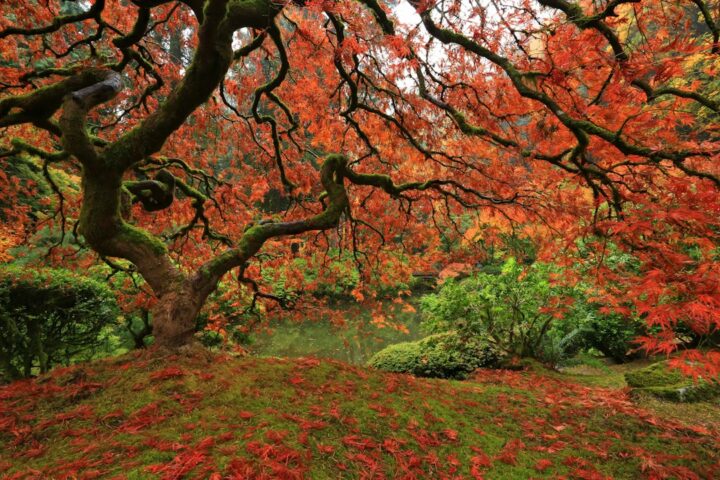
The emblem most often given is the cherry blossom. The Japanese love of sakura is not only for its beauty but for its brevity: the blossom is most moving in the moment it begins to fall. A flower that lasted forever would not stir mono no aware. The fleeting bloom, the reddening autumn maple, the last light of an evening — these carry the feeling because they are already on their way out.
Origins in literature and Heian court culture
Mono no aware has deep literary roots. It is strongly associated with the refined court culture of the Heian period, and above all with The Tale of Genji, the eleventh-century work by the noblewoman Murasaki Shikibu. The novel is suffused with a sensitivity to passing time, fading love, ageing and loss — exactly the emotional texture mono no aware describes.
The term itself was given its lasting definition much later, in the eighteenth century, by the scholar Motoori Norinaga. Studying classical literature, Norinaga identified mono no aware as the central emotional principle running through it — a refined receptiveness to the feeling inherent in things. He saw it as the very heart of Japanese sensibility: the capacity to be genuinely moved by the world, without forcing that feeling into doctrine or argument.
Mono no aware and impermanence
Underneath the idea lies the Buddhist understanding of impermanence — mujo, the truth that all things arise and pass away. But mono no aware is not a grim meditation on decay. It transforms impermanence into something close to gratitude. Because nothing lasts, each moment is precious; because the blossom falls, its bloom matters.
This is the emotional core of the concept and the reason it feels so distinct from Western melancholy. Mono no aware does not rage against time or try to defeat it. It accepts transience and finds, within that acceptance, a heightened tenderness toward the present. The sadness and the beauty are inseparable; you cannot have one without the other.
Mono no aware in Japanese design and architecture
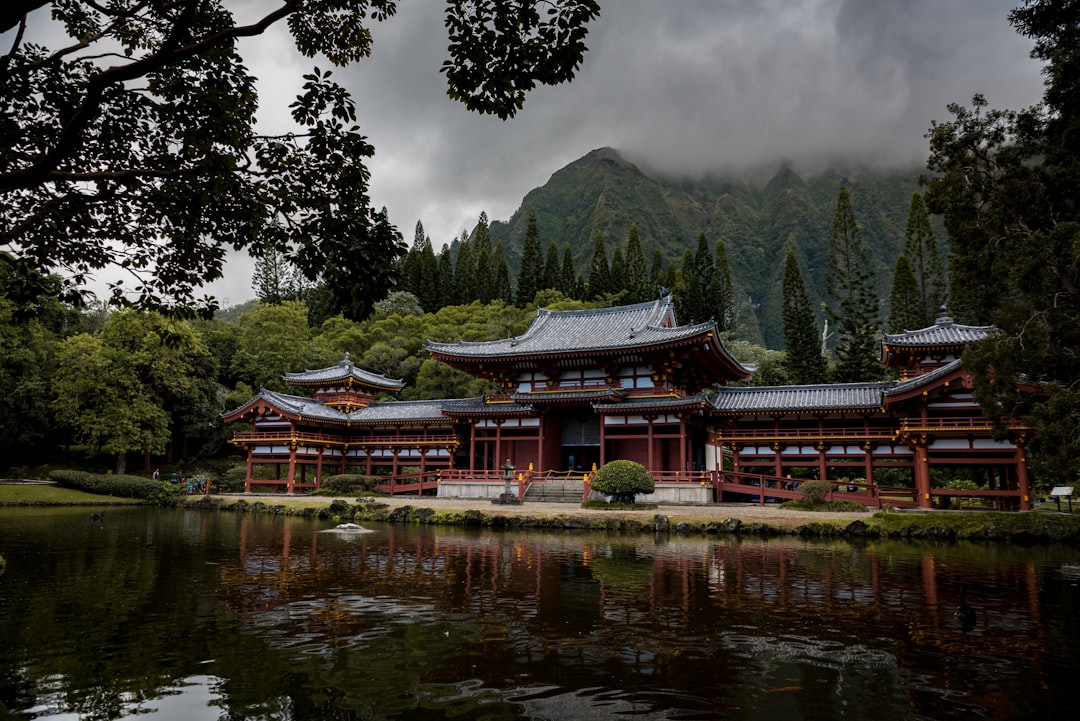
This sensibility shapes how Japanese buildings and interiors relate to time and the seasons. A traditional house is not a sealed, climate-controlled box; it opens to the garden, lets in the changing light, and registers the weather. Sliding screens, deep eaves and verandas exist partly so that the passing of the seasons remains present indoors — the very thing mono no aware asks us to attend to.
Materials matter here too. Untreated timber, earthen plaster and paper are allowed to age, weather and show their years. Rather than fighting this, Japanese building embraces it: the patina of use is read as beauty, not damage. This acceptance of ageing connects mono no aware to wabi-sabi, the related love of the worn and imperfect. You can see the same thinking throughout the traditional Japanese house, where a building is expected to grow old gracefully alongside the people in it.
The garden is perhaps the clearest stage for mono no aware. A Japanese garden is designed around seasonal change — blossom in spring, deep green in summer, fire-coloured leaves in autumn, bare structure under snow. The garden is never the same twice, and that constant, gentle turning is the point. Its beauty depends on time moving through it.
Mono no aware among the Japanese aesthetics
Mono no aware belongs to a wider family of Japanese aesthetic ideas, and it overlaps closely with several of them. Yugen shares its sense of depth and feeling beyond words; wabi-sabi shares its acceptance of impermanence and imperfection; the seasonal awareness it depends on runs through the whole tradition.
What distinguishes mono no aware is its emotional register. Where yugen reaches toward profound mystery and iki toward urbane chic, mono no aware is intimate and tender — the sigh at the falling blossom, the catch in the throat at a parting. It is the feeling side of Japanese aesthetics, and it gives the others their warmth. Seeing how these ideas relate helps make sense of the broader field set out in our overview of architectural styles and principles.
Living with mono no aware today
You do not need a temple or a tea garden to bring mono no aware into a modern home; you need only to let time back in. Design spaces that register the seasons — frame a view, place a window where afternoon light will move across a wall, leave room for a single branch or seasonal flower that you change as the year turns. Let the home mark the passing of time rather than hiding from it.
It also means choosing materials that age well and allowing them to do so. Solid timber that mellows, plaster that softens, stone that wears — these carry mono no aware in a way that pristine, unchanging synthetics cannot. This gentle acceptance of time sits naturally within a calm approach to interior design, and homeowners who want a house that ages with grace rather than fighting it often work with our consultancy to build it soundly from the start.
Frequently asked questions
What does mono no aware mean?
Mono no aware means the “pathos of things” — a gentle, bittersweet awareness of impermanence. It is the heightened feeling and quiet sadness we experience because moments, seasons and lives pass. The beauty and the sadness are inseparable, as with cherry blossom that is most moving as it falls.
Where does the concept of mono no aware come from?
It is rooted in Heian-period court literature, especially The Tale of Genji by Murasaki Shikibu. The eighteenth-century scholar Motoori Norinaga later defined mono no aware as the central emotional principle of classical Japanese literature and the heart of Japanese sensibility.
Is mono no aware a sad feeling?
It carries sadness, but it is not despair. Mono no aware turns the awareness of impermanence into a kind of tenderness and gratitude: because nothing lasts, each moment becomes precious. The feeling is bittersweet and appreciative rather than grieving or hopeless.
How is mono no aware different from wabi-sabi?
The two are closely related. Wabi-sabi is the aesthetic that finds beauty in imperfection, ageing and decay. Mono no aware is the emotional response to impermanence itself — the feeling stirred by transience. Wabi-sabi describes objects and surfaces; mono no aware describes the feeling they evoke.
How can mono no aware shape a modern home?
Let time and the seasons into the space: frame views, place windows where light will move, and rotate a single seasonal flower or branch. Choose materials that age gracefully and allow them to mellow rather than forcing them to stay perfect.
Is there an English word for mono no aware?
There is no single English word for mono no aware, which is why it is usually translated as a phrase such as the pathos of things or a gentle sadness at transience. The closest Western parallel is often said to be the Latin lacrimae rerum, the tears of things, from Virgil. Words like poignancy, wistfulness and bittersweet each capture part of the feeling.
Is mono no aware a Buddhist concept?
Mono no aware is related to the Buddhist idea of impermanence, mujo, but it is mainly a literary and emotional concept rather than a religious teaching. Motoori Norinaga, who defined it, presented it as a native Japanese sensitivity, distinct from Buddhist or Confucian moral lessons. Buddhism teaches detachment from passing things, whereas mono no aware lets you feel their passing deeply.
What is the difference between mono no aware and ichigo ichie?
Mono no aware is the bittersweet feeling that all things pass, while ichigo ichie, meaning one time, one meeting, is the tea ceremony ideal of treating each gathering as unrepeatable. They share an awareness of transience, but ichigo ichie turns it into a practical attitude of full attention and hospitality. Mono no aware is the feeling; ichigo ichie is a way of acting on it.
What are examples of mono no aware in film?
The films of director Yasujiro Ozu, especially Tokyo Story from 1953, are often cited as cinema’s clearest expression of mono no aware. They show families drifting apart, parents ageing and ordinary moments slipping away, presented with calm restraint rather than drama. Lingering shots of empty rooms, trains and seasonal landscapes let viewers feel the passing of time quietly.
Related reading
- Byobu: Japanese Folding Screens Explained
- Ranma: Japanese Transom Panels Explained
- Shoin-zukuri Architecture Explained Clearly
- The Ofuro: The Japanese Soaking Bath Explained
Want a home that ages gracefully and stays close to the seasons, built on sound structure? Talk to our consultancy or get in touch.