

Seismic Design Principles for Buildings
Earthquakes do not load a building the way wind or gravity does. They shake the ground beneath it, and the building’s own mass resists…
Earthquakes do not load a building the way wind or gravity does. They shake the ground beneath it, and the building’s own mass resists…

Every building has to stand up not only to its own weight but to the wind that pushes against it. The wind load on…

Washi is traditional Japanese paper, and it is far more than a writing surface. Strong, translucent and beautifully textured, washi paper has long been…

Hinoki, the Japanese cypress, is among the most prized building timbers in Japan. Valued for its fine grain, its warm pale colour, its distinctive…

Japanese carpentry is among the most sophisticated woodworking traditions in the world, and at its summit stands the miyadaiku — the temple and shrine…
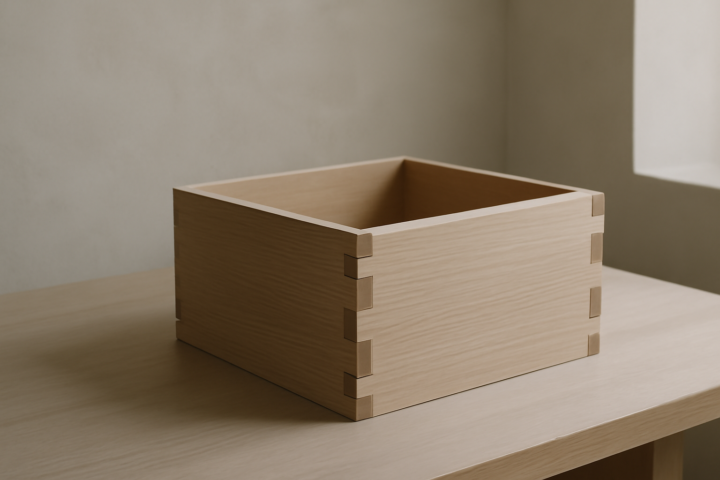
Sashimono is the Japanese craft of making furniture, boxes and fine objects using precisely cut interlocking joints, assembled without nails. Where Western cabinetmaking has…

Kumiko is one of the most refined of all Japanese woodworking crafts: the assembly of intricate wooden lattice from many small, precisely cut pieces,…
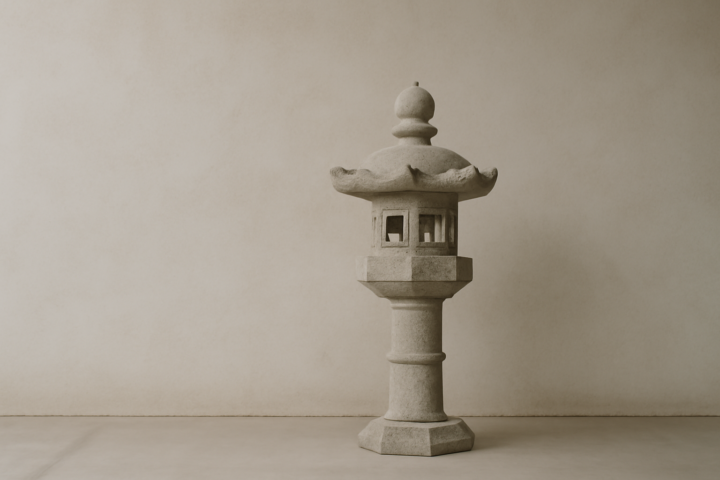
The Japanese stone lantern, or toro, is one of the most recognisable elements of a Japanese garden. Carved from stone and weathered by years…

Contemporary Japanese architecture is among the most admired and influential in the world. Over the past half-century, Japan has produced an extraordinary concentration of…

Toyo Ito is one of the most inventive and influential architects of his generation, admired for an architecture that is fluid, light and constantly…
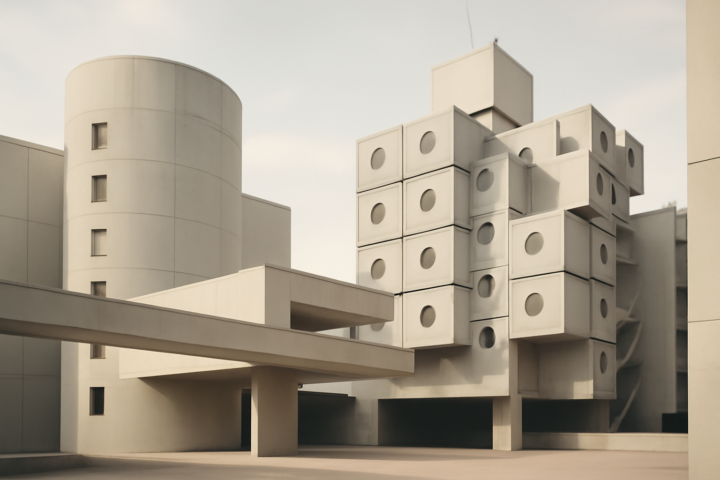
Metabolism was one of the most ambitious and original movements in twentieth-century architecture, and it emerged from postwar Japan. Its architects imagined buildings and…

SANAA is the collaborative practice of Kazuyo Sejima and Ryue Nishizawa, and one of the most distinctive voices in contemporary architecture. Their buildings are…