
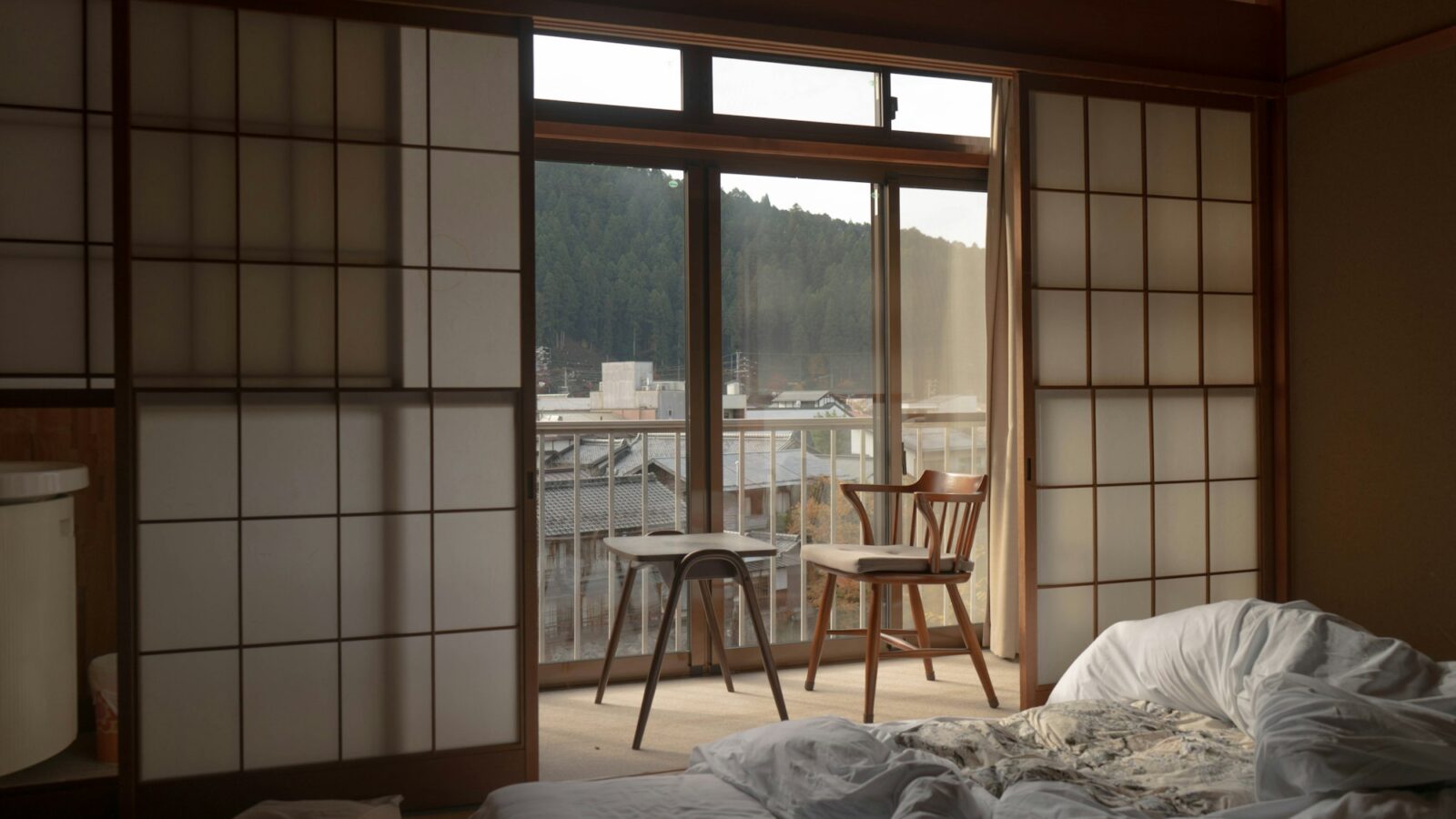
Japanese minimalism is more than a clean, uncluttered look — it is a centuries-old way of seeing, rooted in Zen, traditional architecture and a deep respect for emptiness and nature. It has quietly shaped how the whole world thinks about simple living. Here is what Japanese minimalism really means, and how it differs from the minimalism you may know.
What is Japanese minimalism?
Japanese minimalism is the pursuit of beauty and calm through simplicity, restraint and the careful use of empty space. It runs through Japanese architecture, interiors, gardens and even daily life. Unlike a passing design trend, it grows out of deep cultural roots — Zen Buddhism, the tea ceremony, and a traditional architecture that was minimal long before the word existed. It is simplicity with a philosophy behind it.
Roots in Zen and tradition
The sensibility comes from Zen Buddhism, with its emphasis on simplicity, mindfulness and stripping away the inessential, and from the tea ceremony, which prized humble, imperfect, unadorned things. The traditional Japanese house, with its bare tatami floors, sliding screens and composed empty space, was a minimalist environment centuries ago. Japanese minimalism is not a modern invention but the continuation of a very old way of living with less.
How it differs from Western minimalism
Western minimalism can tend toward the cool, the perfect and the stark — clean white boxes and sharp edges. Japanese minimalism is warmer and more human. It embraces natural materials and the marks of age through wabi-sabi, treats empty space as meaningful rather than merely blank through ma, and stays connected to nature and the seasons. Where one can feel austere, the other feels calm and alive. That warmth is the key difference.
The core principles
- Less, but better — keeping only what is useful or genuinely beautiful.
- Natural materials — wood, paper, stone and natural textures over synthetic ones.
- Composed emptiness — empty space valued and arranged, not just left over.
- Soft, natural light — diffused and gentle rather than harsh.
- Connection to nature — greenery, views and the seasons brought in.
- Imperfection — the handmade and the aged welcomed, not hidden.
In architecture and interiors
In buildings, Japanese minimalism appears in the serene concrete and choreographed light of architects like Tadao Ando, and in the restraint of modern Japanese homes. In interiors, it means uncluttered rooms, a quiet natural palette, low and simple furniture, and a few considered objects rather than many. It overlaps closely with minimalist architecture in general — but always with that distinctively Japanese warmth and connection to nature.
Minimalism as a way of living
Japanese minimalism is also a lifestyle, expressed in ideas that have travelled the world — danshari, the practice of decluttering by letting go, and the gentle art of keeping only what brings value or joy. The aim is not deprivation but clarity: a home and a life with less noise, less to maintain, and more room to breathe. It is the same restraint that shapes the architecture, applied to how we live.
Bringing it home
To live more minimally in the Japanese spirit, edit your belongings down to what matters, choose natural materials, keep surfaces calm and the palette quiet, and let in soft natural light and a little greenery. Leave some space deliberately empty, and add a few handmade or natural objects for warmth — perhaps in the spirit of a tokonoma, one considered display rather than many. The result is not coldness but calm. It is the gentle, liveable warmth of japandi and the traditional Japanese home alike.
Frequently asked questions
What is Japanese minimalism?
It is the pursuit of calm and beauty through simplicity, natural materials and composed empty space, rooted in Zen and traditional Japanese architecture. It is warmer and more nature-connected than typical Western minimalism.
How is Japanese minimalism different from Western minimalism?
Japanese minimalism embraces natural materials, imperfection (wabi-sabi), meaningful empty space (ma) and a connection to nature, giving it warmth. Western minimalism can be cooler, more perfect and starker.
Zen and the aesthetics of less
Japanese minimalism is inseparable from Zen, whose emphasis on simplicity, presence and stripping away the inessential shaped centuries of Japanese art and architecture. The dry gardens, the tea rooms and the bare tatami spaces are all expressions of a spiritual preference for the simple and the quiet over the ornate. This is why Japanese minimalism feels meditative rather than merely fashionable — it grows from a philosophy about how to live and pay attention, not just a way to decorate.
Empty space as the active ingredient
The single idea that most distinguishes Japanese minimalism is its treatment of emptiness. Empty space is not a lack to be filled but the active ingredient — the ma that gives everything else meaning and calm. A near-empty room, a single object given room to breathe, a pause in a composition: these are not unfinished but complete. Learning to value empty space is the heart of designing in the Japanese minimalist spirit.
Famous minimalist Japanese spaces
The sensibility is felt most powerfully in real places: the serene, light-filled concrete spaces of Tadao Ando; the raked gravel and few stones of the Zen garden at Ryoan-ji; the tiny, perfect tea room with its single flower. Each shows how little is needed to create something profound. These spaces are studied around the world precisely because they prove that restraint, done with care, can move people more than abundance.
Why it never feels cold
The common worry about minimalism is that it feels sterile, but Japanese minimalism rarely does — and that is its great lesson. Natural materials with their warmth and grain, the soft light, the marks of age welcomed through wabi-sabi, and the connection to nature keep it human and inviting. It is minimalism with soul, which is exactly why the warmer, cosier japandi blend has become so popular.
A philosophy, not just a look
It is worth remembering that Japanese minimalism is ultimately a way of seeing, not a style to copy. Stripped-back surfaces and a muted palette are only its outward signs; the substance is the attention, restraint and respect for nature and emptiness beneath them. A home can have all the right materials and still miss the point if it is cluttered in spirit, just as a modest space can capture it perfectly. Approached as a philosophy rather than a trend, Japanese minimalism offers something more lasting than a look — a calmer, more considered way to live.
Related reading
- Japanese Roof Styles: Form, Eaves and Why They Curve
- Genkan: The Japanese Entrance Where Shoes Come Off
- Japanese Garden Design: Principles, Types and Elements
- Kintsugi: The Japanese Art of Repairing with Gold
More in Japanese Design. See also minimalist architecture and wabi-sabi.


