
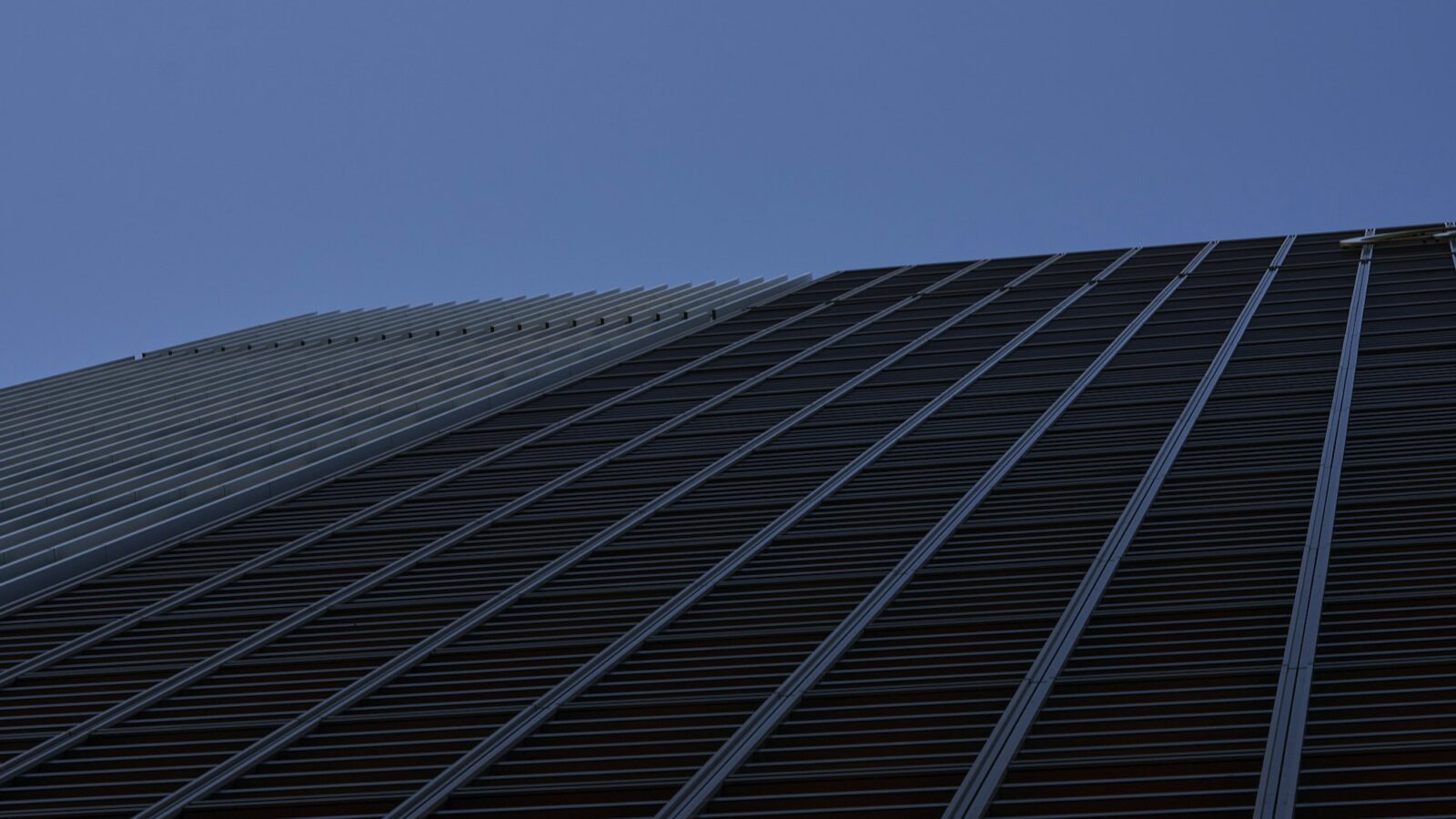
Minimalist architecture is often misread as “empty”. In truth it is one of the most demanding ways to build, because when you strip everything away, what remains has nowhere to hide. Done well, it is calm, timeless and quietly luxurious. Here are the principles behind it — and how to get it right.
What is minimalist architecture?
Minimalist architecture reduces a building to its essentials: clean lines, simple forms, honest materials and a restrained palette. The aim is not to have less for its own sake, but to remove anything that does not serve the space — so that light, proportion and material can speak. The phrase “less is more”, associated with Mies van der Rohe, is its shorthand; “less, but better” is closer to its discipline.
The core principles
- Simplicity of form — clear geometry and uncluttered volumes.
- Light as a material — daylight is used deliberately to model space and mark the passing of the day.
- Negative space — emptiness is composed, not left over. (The Japanese idea of ma, the interval, is central here.)
- Honest materials — concrete, timber, stone and glass shown as themselves, not disguised.
- Restraint in colour — a quiet, often monochrome palette that lets texture and shadow carry interest.
- Considered detail — hidden fixings, clean junctions and concealed storage that keep surfaces calm.
Materials and palette
Minimalism leans on a small number of materials used with conviction: fair-faced concrete, warm timber, natural stone, and large planes of glass. Because there is so little to look at, the quality of each surface matters enormously — which is why minimalist buildings live or die on craftsmanship. A poorly finished concrete wall ruins a minimalist room in a way it never would in a busy one.
Light and space do the work
Strip out ornament and two things are left to create atmosphere: light and space. Minimalist architecture treats both as primary materials — framing a view, drawing a shaft of sun across a floor, or holding a generous emptiness that makes a modest room feel expansive. This is also where minimalism meets biophilic design and passive cooling, since the same big openings that bring in light also bring in air and greenery.
Common misconceptions
Minimalism is not coldness, and it is not the absence of comfort. A well-made minimalist home is warm precisely because every element has been considered. Nor is it cheap: removing visual clutter usually means more hidden joinery, better detailing and higher-quality materials — effort that is felt rather than seen.
How to get it right
- Edit ruthlessly — keep only what earns its place.
- Plan storage early — calm surfaces depend on somewhere for everything to go.
- Invest in detailing — the junctions and fixings are the design.
- Choose fewer, better materials — and finish them impeccably.
- Let the structure show — an honest frame is part of the aesthetic, which is where good structural engineering earns its keep.
Frequently asked questions
Is minimalist architecture more expensive?
Often, yes — not in quantity but in quality. Fewer elements means each must be beautifully made, with more hidden detailing and better materials.
Is minimalism the same as Japanese design?
They share a great deal — restraint, natural materials, and the value of empty space — but Japanese design is a deep tradition of its own. We explore it separately in our Japanese design writing.
A short history of minimalism
Architectural minimalism has deep roots. The early-twentieth-century modernists pared building back to structure and function — Mies van der Rohe’s “less is more” became its motto. It drew, too, on traditional Japanese architecture, with its restraint, natural materials and reverence for empty space. Later masters carried the language forward: Tadao Ando with his serene fair-faced concrete and choreographed light, Luis Barragán with colour and calm, and John Pawson with an almost monastic reduction. Each shows the same lesson — that simplicity is the result of careful subtraction, not a lack of ideas.
Living in a minimalist home
A minimalist home asks something of the people in it. Calm surfaces depend on disciplined, generous storage and a willingness to keep only what matters. In return it offers a particular kind of ease: less visual noise, less to maintain, and rooms whose quality you feel rather than see. The reward is not emptiness but clarity — a home that lets you, and the light, take centre stage.
Minimalist architecture in the tropics
Minimalism takes on a particular character in a hot, humid climate. The clean, open planning that minimalism loves also helps a building breathe — large openings, cross-ventilation and a connection to outdoor space keep a home comfortable while keeping it simple. But tropical minimalism has to be smart about sun: deep overhangs, screens and shading protect those big glazed openings from heat, and natural materials are chosen to cope with humidity. At its best, tropical minimalism marries the calm of restraint with the practicality of passive cooling, so the simplicity is comfortable as well as beautiful.
A minimalist materials palette
Because there is so little to look at in a minimalist space, the materials carry the whole experience. A typical palette is small and deliberate: fair-faced concrete, warm timber, natural stone, plaster, and large planes of glass, held together by a quiet, often monochrome colour scheme. The interest comes from texture, grain and the play of light across surfaces rather than from pattern or ornament. This is why minimalist buildings demand such high-quality workmanship — every junction and finish is on show, with nothing busy to distract the eye from an imperfect one.
Living minimally, room by room
Minimalism is as much a way of living as a style. It works when storage is planned generously so surfaces can stay clear, when you choose fewer and better things, and when each room is allowed to do its job without clutter. A minimalist kitchen hides its tools behind clean fronts; a minimalist bedroom keeps only what it needs; a minimalist living room leaves space to breathe. The discipline is ongoing — but the reward is a home that feels calm, ordered and quietly generous rather than bare.
Related reading
- What Is a Pavilion? Architecture’s Most Experimental Building
- Small House Design: Making the Most of Every Square Metre
- Brutalist Architecture: Raw Concrete and the Eco-Brutalism…
- Contemporary Architecture: The Buildings of Now
New here? Start with our guide to architectural styles and principles, or explore more in Architecture.


