

The Ofuro: The Japanese Soaking Bath Explained
The ofuro is the deep soaking bath at the heart of the Japanese bathing ritual. Unlike a Western tub designed for washing, the ofuro…
Joinery · minimalism · ma 間
The ofuro is the deep soaking bath at the heart of the Japanese bathing ritual. Unlike a Western tub designed for washing, the ofuro…
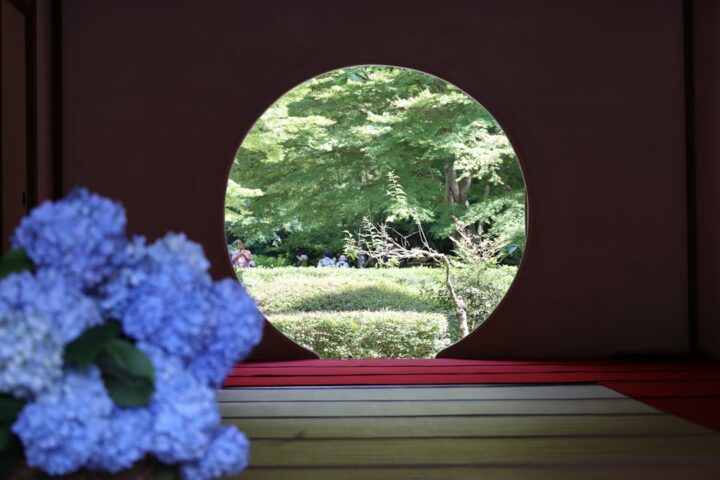
The fusuma is the opaque sliding door that gives the traditional Japanese house its remarkable flexibility. Unlike a hinged door fixed to a frame,…

A tatami room is the quintessential traditional Japanese interior — a space floored with thick woven straw mats, used for sitting, sleeping, tea, and…

The shoji screen is one of the most recognisable elements of traditional Japanese architecture — a light timber lattice covered in translucent paper that…
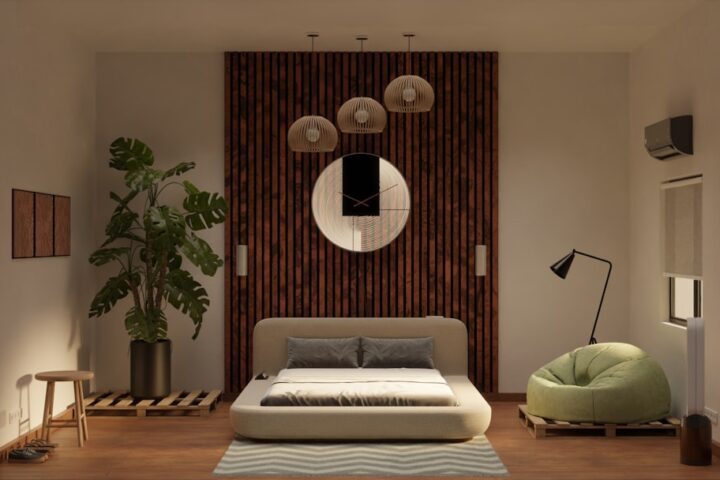
Japandi is the design style that fuses Japanese and Scandinavian sensibilities into a single, coherent aesthetic of warm minimalism. It pairs the Japanese pursuit…
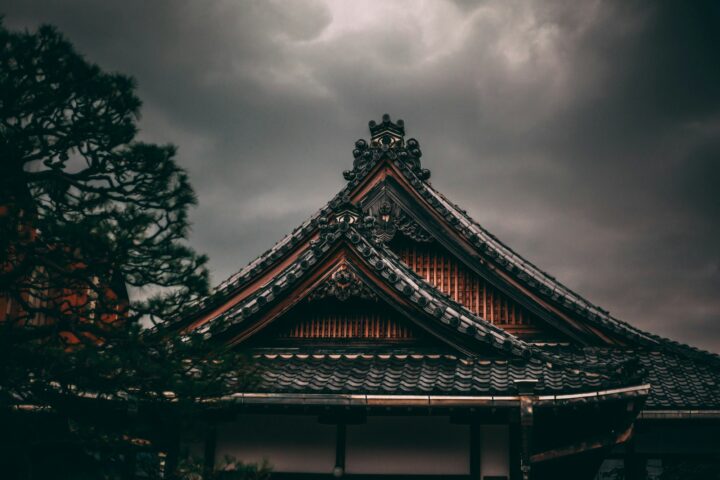
The roof is the most expressive part of traditional Japanese architecture — large, gracefully curved, and reaching out in deep, sheltering eaves. Far more…
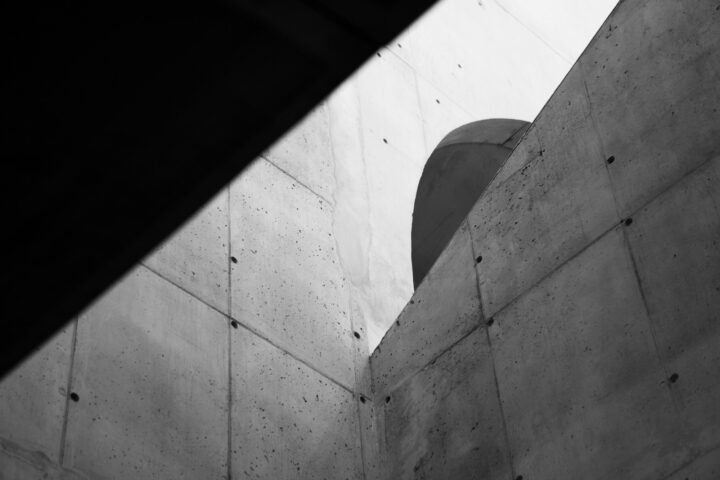
Modern Japanese architecture is among the most admired in the world — a body of work that carries the calm, the restraint and the…
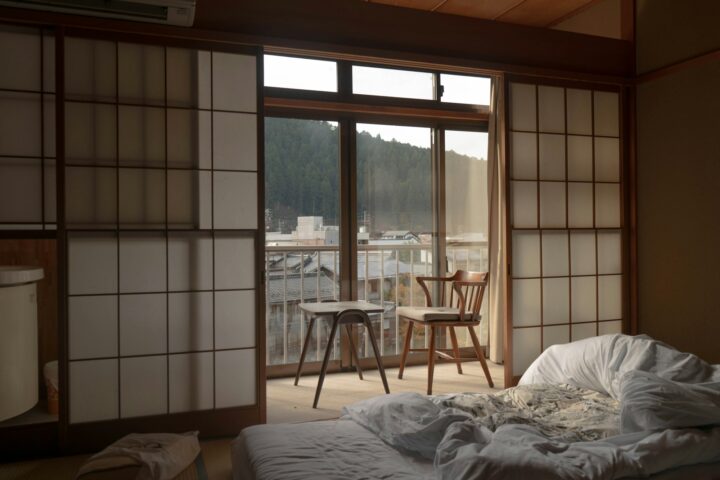
Japanese minimalism is more than a clean, uncluttered look — it is a centuries-old way of seeing, rooted in Zen, traditional architecture and a…
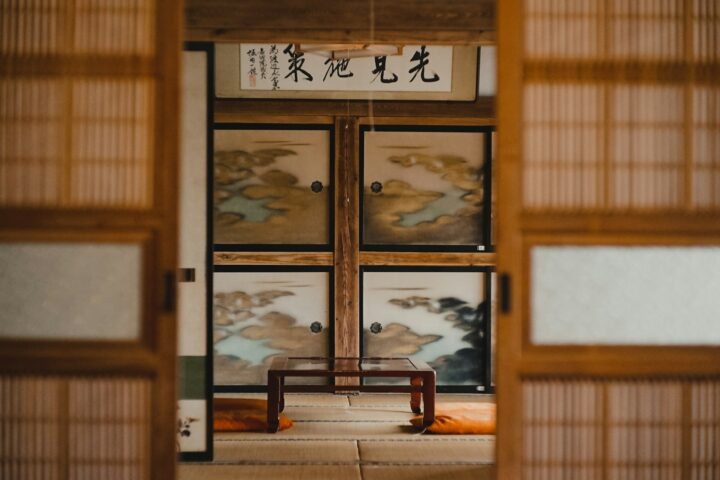
Step into almost any Japanese home and the first thing you encounter is the genkan — a lowered entrance area where you take off…
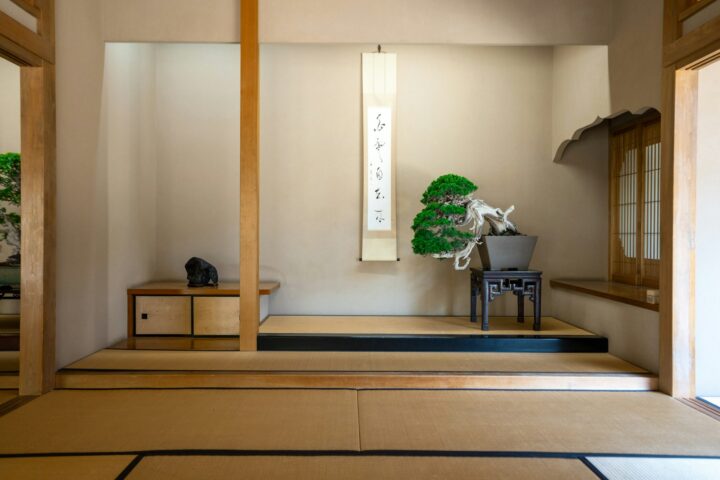
In the formal room of a traditional Japanese home, there is one place where display is allowed — a recessed alcove that holds a…
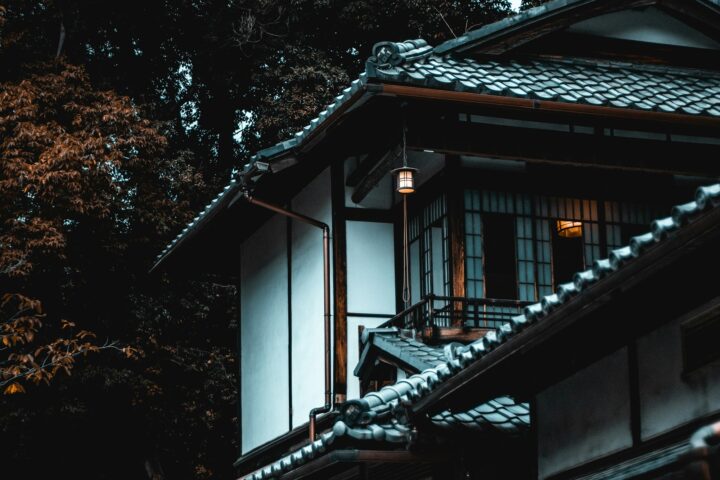
The traditional Japanese house is a clever system of timber, sliding screens, tatami and deep eaves. How it is designed, its key rooms and…

Japanese architecture prizes natural materials, harmony with nature, flexible space and calm. Its defining characteristics, its temples, houses and gardens, and how it shaped…