

Japanese Garden Design: Principles, Types and Elements
A Japanese garden is not a display of flowers but a composed, contemplative landscape — nature distilled and arranged to feel both natural and…
Joinery · minimalism · ma 間
A Japanese garden is not a display of flowers but a composed, contemplative landscape — nature distilled and arranged to feel both natural and…
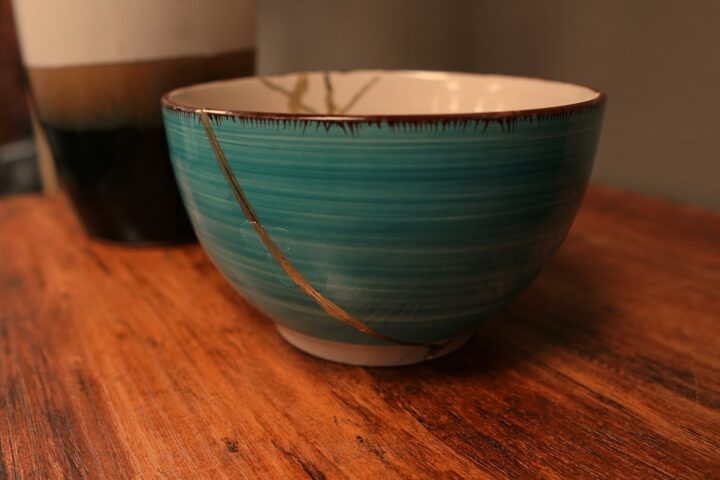
When a treasured bowl breaks, the instinct is to hide the repair or throw it away. Kintsugi does the opposite. This Japanese art mends…

Run your eye along the edge of a traditional Japanese house and you will often find a narrow wooden walkway between the rooms and…

Tatami mats are so central to traditional Japanese life that they do something no other flooring does: they measure the room itself. For centuries…

In a traditional Japanese home there are far fewer fixed walls than in a Western one. Instead, rooms are shaped by sliding panels —…

Japandi blends Japanese craft and calm with Scandinavian warmth and function — minimal but liveable. What it is, why the two traditions fit so…
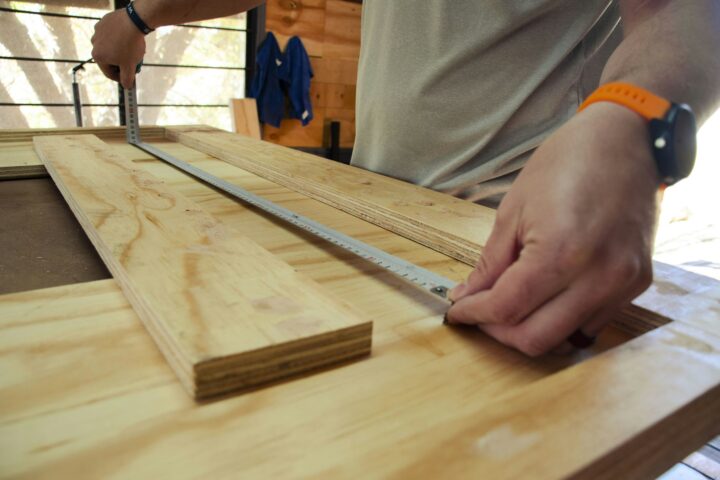
Japanese joinery joins timber with precise interlocking joints — almost no nails. How it works, why nail-free joints last for centuries, and the craft…
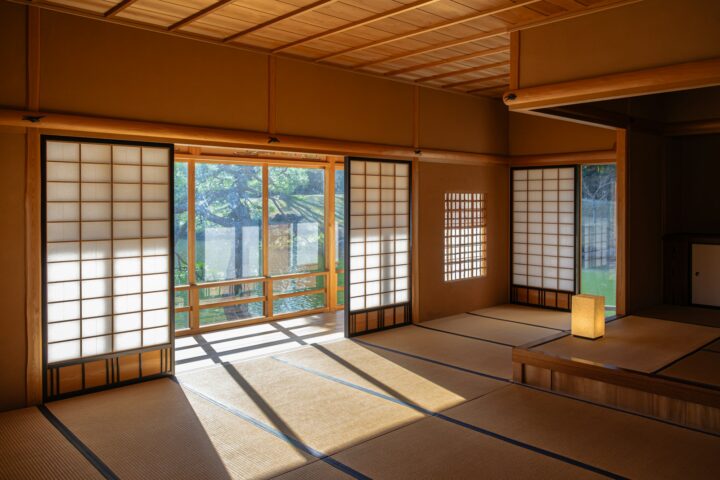
In Japanese design the empty space is the point. Ma (間) is the meaningful interval — the pause and breathing room that gives architecture…
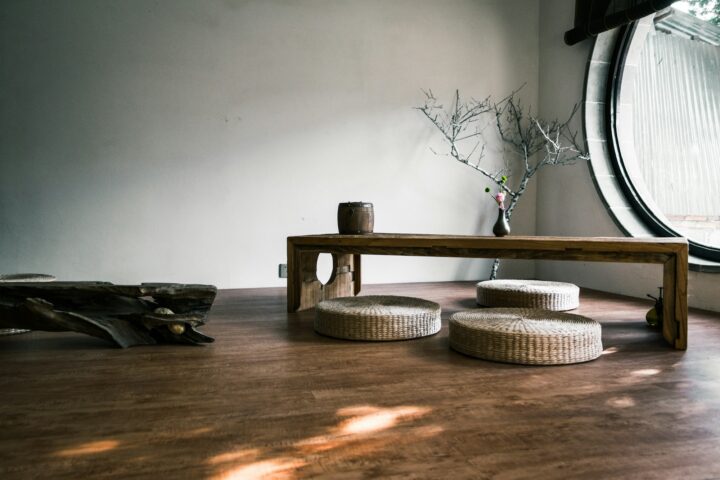
Wabi-sabi is the Japanese art of finding beauty in imperfection, impermanence and age. What it means, where it comes from, and how it shapes…