

Iki: The Japanese Aesthetic of Refinement
The iki aesthetic is one of the most worldly of the Japanese aesthetic ideals — less a quality of nature than a quality of…
Joinery · minimalism · ma 間
The iki aesthetic is one of the most worldly of the Japanese aesthetic ideals — less a quality of nature than a quality of…

Shibui describes a particular kind of beauty in Japanese aesthetics: quiet, understated, refined and unforced. A shibui object or space does not announce itself.…

Wabi sabi is the Japanese aesthetic that finds beauty in imperfection, impermanence and the quiet character that age and use leave behind. It values…
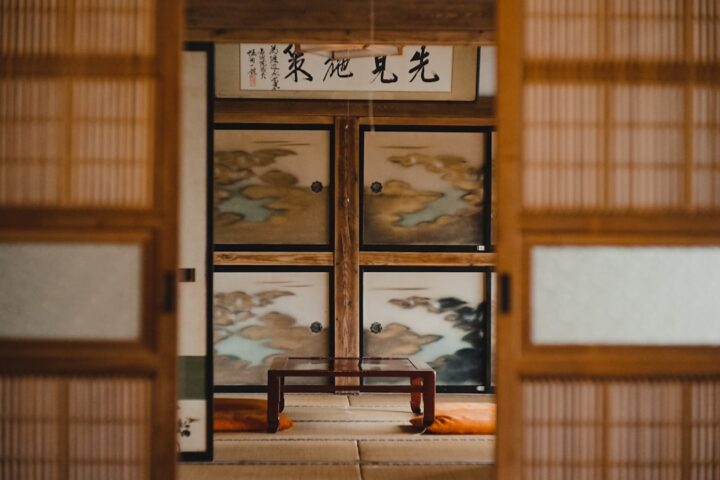
In ma japanese design, the empty space is not a leftover; it is the thing being designed. Ma (間) is the Japanese sense of…
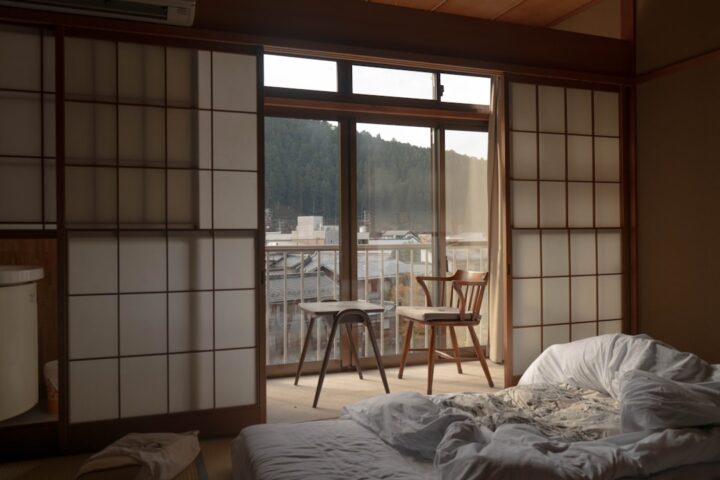
The japanese futon is the traditional bedding of the Japanese home: a set of padded mats and quilts laid directly on the tatami floor…
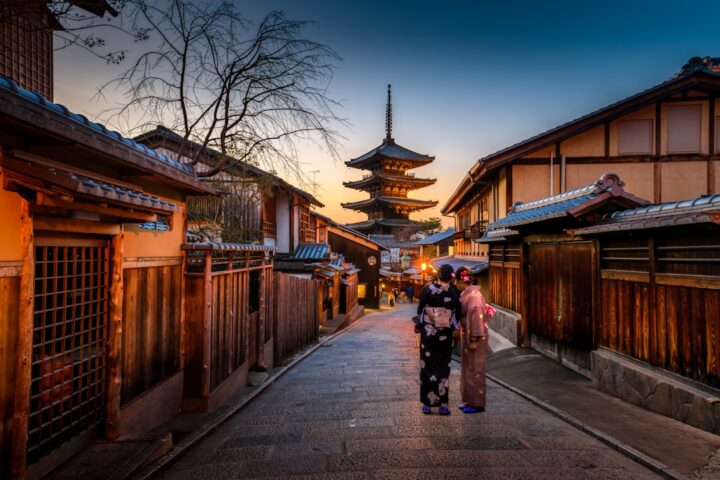
The kotatsu is the low table with a heat source beneath it and a quilt tucked between the tabletop and the frame, under which…

The irori is the sunken open hearth set into the floor at the centre of the traditional Japanese farmhouse. A square pit lined with…

The sudare is the hanging screen of fine bamboo or reed slats, bound together with thread, that shades a Japanese veranda or window through…
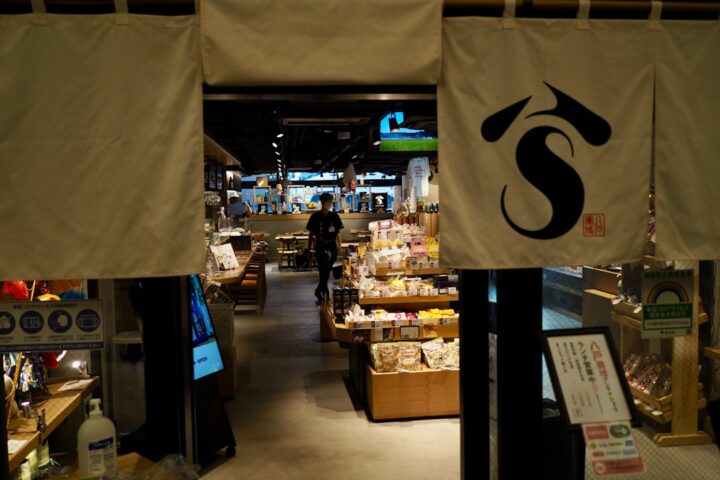
The noren is the short fabric curtain that hangs in a doorway and parts down the middle as you pass through. You see it…
Byobu are the freestanding folding screens that have shaped Japanese interiors for centuries, dividing space, blocking draughts, and carrying some of the country’s greatest…

Ranma are the decorative transom panels set in the space above sliding doors and partitions in a Japanese room, between the top of the…
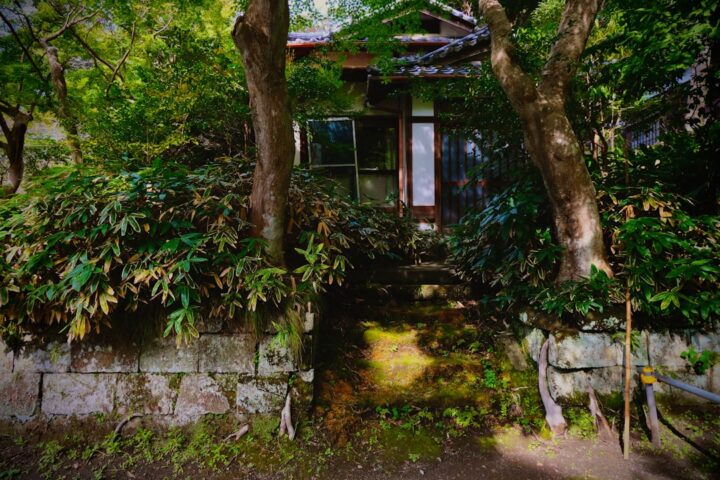
Shoin zukuri is the residential building style that shaped the formal Japanese room as we know it today. Emerging among the warrior class and…