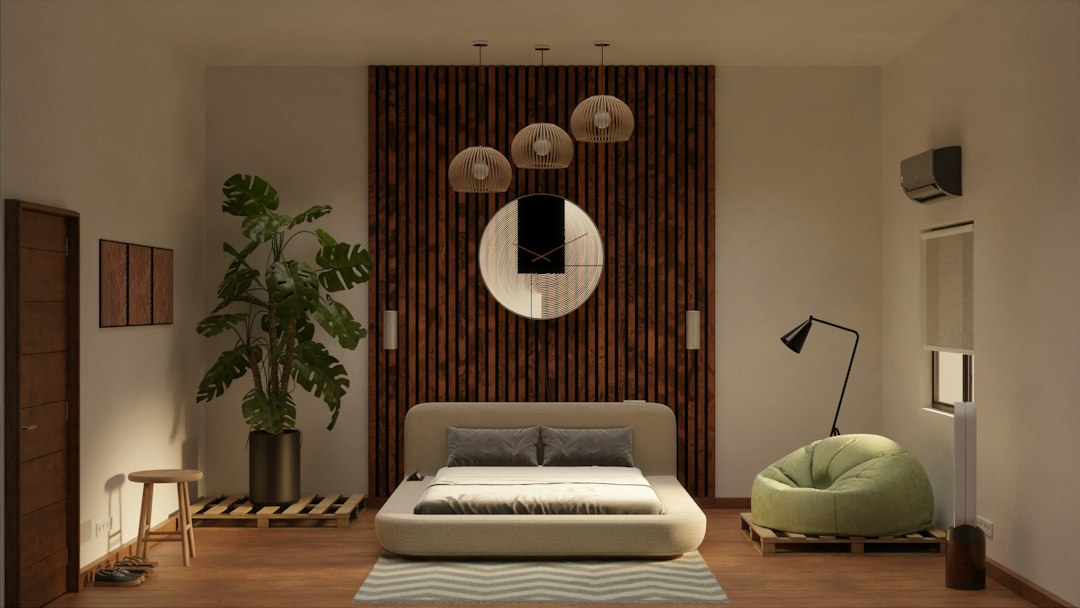
Japandi blends two traditions that share a respect for simplicity: Japanese restraint and craft, and Scandinavian warmth and comfort. In the bedroom the combination is particularly effective. A japandi bedroom is calm and uncluttered like a minimalist room, but softer, with natural timber, handmade textures and a muted earthy palette that feels lived in rather than austere.
This guide covers the palette, materials, bed and furniture choices, lighting and storage that define the style, and the practical points that matter in Singapore — chiefly humidity, compact rooms and built-in carpentry.
What defines a japandi bedroom
Japandi takes from Japan an appreciation of empty space, low furniture, natural materials and visible craftsmanship, along with the wabi-sabi acceptance of imperfection. From Scandinavia it takes comfort — layered textiles, functional furniture and attention to daylight. Our pillar article on japandi traces both strands in detail.
In a bedroom, these ideas translate into a few consistent moves: a low bed, a clear floor, a limited palette of warm neutrals with darker accents, natural materials throughout, soft diffused light, and concealed storage so nothing distracts from rest. The difference from a pure minimalist bedroom is mainly warmth and texture: japandi allows more handmade objects, more grain and more tactile fabric.
Palette and materials
Colour
The base is warm and muted: off-white, oatmeal, sand, clay, soft taupe and stone grey. Scandinavian rooms tend towards pale tones; Japanese interiors introduce deeper notes such as charcoal, dark-stained timber and indigo. A japandi bedroom usually balances the two, for example pale walls and bedding with a darker timber bed frame or a charcoal ceramic lamp.
Timber
Wood is the dominant material. Light oak and ash bring the Scandinavian side; walnut, darker-stained oak or charred timber add Japanese depth. Many designers choose one main timber and one accent and keep to them. Matte or oiled finishes suit the style better than high-gloss lacquer.
Textiles and texture
Linen, cotton and wool in plain weaves are the core. Washed linen bedding suits Singapore’s climate well. Texture can come from a jute or wool rug, a limewashed or plastered wall, handmade ceramics and woven baskets. The rougher, imperfect surfaces associated with wabi-sabi interior design fit naturally here.
The bed: platform, frame or futon
A low bed is the defining piece of a japandi bedroom. A timber platform bed, often with a slim headboard or none at all, keeps the room’s centre of gravity low and makes standard ceilings feel taller. Slatted bases allow the mattress to breathe, which matters in humid weather.
Some people go further and sleep on a traditional futon laid on the floor or on tatami. It is authentic and space-saving, because the bedding can be folded away during the day, but in Singapore’s humidity it needs discipline: futons and tatami should be aired and dried regularly to prevent damp and mould underneath. Our article on the Japanese futon explains how traditional bedding is used and cared for. A low slatted platform is often a practical compromise.
Bedside tables should be low and simple — a small timber stool, a floating shelf or a niche built into the headboard.
Lighting a japandi bedroom
Light in a japandi bedroom should be soft and diffused, never harsh. Paper and fabric shades do this well: washi pendants and floor lamps, including designs in the spirit of Isamu Noguchi’s Akari paper lanterns, scatter light gently across walls. Linen or rice-paper table lamps at the bedside provide reading light without glare.
Concealed cove lighting or a soft wash behind the headboard adds evening atmosphere. Choose warm colour temperatures throughout. During the day, sheer linen curtains or shoji-inspired sliding screens filter daylight and give privacy without darkening the room.
Storage and carpentry
Like any calm bedroom, japandi relies on concealed storage. Full-height wardrobes in timber veneer or a matte painted finish, with recessed pulls or slim timber handles, read as a quiet wall. Slatted timber or cane door panels add texture and ventilation, which helps prevent musty wardrobes in humid weather.
Open shelving can be used sparingly to display a few objects — a ceramic vase, a stack of books, a single branch in water — but keep it to one place. A bench at the foot of the bed with storage beneath, or baskets in natural fibre, handle everyday overflow.
In HDB flats and condos, built-in carpentry often has to work around beams, aircon units and window grilles. Aligning wardrobes and pelmets with the underside of beams, and using the same timber or colour throughout, keeps the room coherent.
Plants, objects and finishing touches
Restraint applies to objects. One larger plant — a fiddle-leaf fig, a sculptural branch or a bonsai-like specimen — is more in keeping than several small pots. Ceramics with visible glaze variation, a single framed print with plenty of margin, and simple woven baskets complete the room.
Leave space on walls and surfaces. The Japanese concept of ma, meaningful emptiness, is central to the style: the gaps between objects are as important as the objects themselves.
Japandi bedroom ideas for Singapore homes
A few practical points help the style succeed locally:
- Manage humidity. Use breathable bed bases, run the aircon or a dehumidifier when the room is closed, and air natural textiles regularly.
- Protect timber. Keep solid timber away from damp external walls and direct sun, and allow it to acclimatise before installation.
- Keep the scale low and light in compact common bedrooms, using pale timber and light walls with only one or two dark accents.
- Plan wiring early so bedside lights, cove lighting and sockets are concealed within carpentry.
For a larger room with a walk-in wardrobe or en-suite, our guide to master bedroom design shows how to extend the same principles across a bigger layout.
Frequently asked questions
What is a japandi bedroom?
It is a bedroom that combines Japanese restraint, low furniture and craft with Scandinavian comfort, using warm neutral colours, natural timber, linen and wool, soft paper lighting and concealed storage.
What colours suit a japandi bedroom?
Warm off-whites, oatmeal, sand, clay, taupe and stone grey form the base, balanced with a few deeper accents such as charcoal, dark timber or muted indigo.
Can I sleep on a futon in Singapore?
Yes, but because of the humidity a floor futon should be aired and dried regularly and not left on the same spot permanently, otherwise damp can build up underneath and encourage mould, so a low slatted platform is often more practical.
How is japandi different from minimalist bedroom design?
Both are calm and uncluttered, but japandi is warmer and more textural, with more visible timber grain, handmade ceramics, natural fibres and a slightly earthier palette than a typical minimalist room.
What bed frame suits japandi style?
A low timber platform bed with a slatted base and a simple or minimal headboard suits the style best, in oak, ash or walnut with a matte or oiled finish.
Related reading
- Walk In Shower Design: Falls, Drains and Waterproofing
- Laundry Room Design for Singapore Flats and Utility Areas
- Bathroom Lighting Design: Layers, Zones and IP Ratings
- Kitchen Cabinet Colours: How to Choose a Lasting Palette
Planning built-in carpentry or a layout change for a calmer bedroom? Talk to our consultancy or get in touch.