
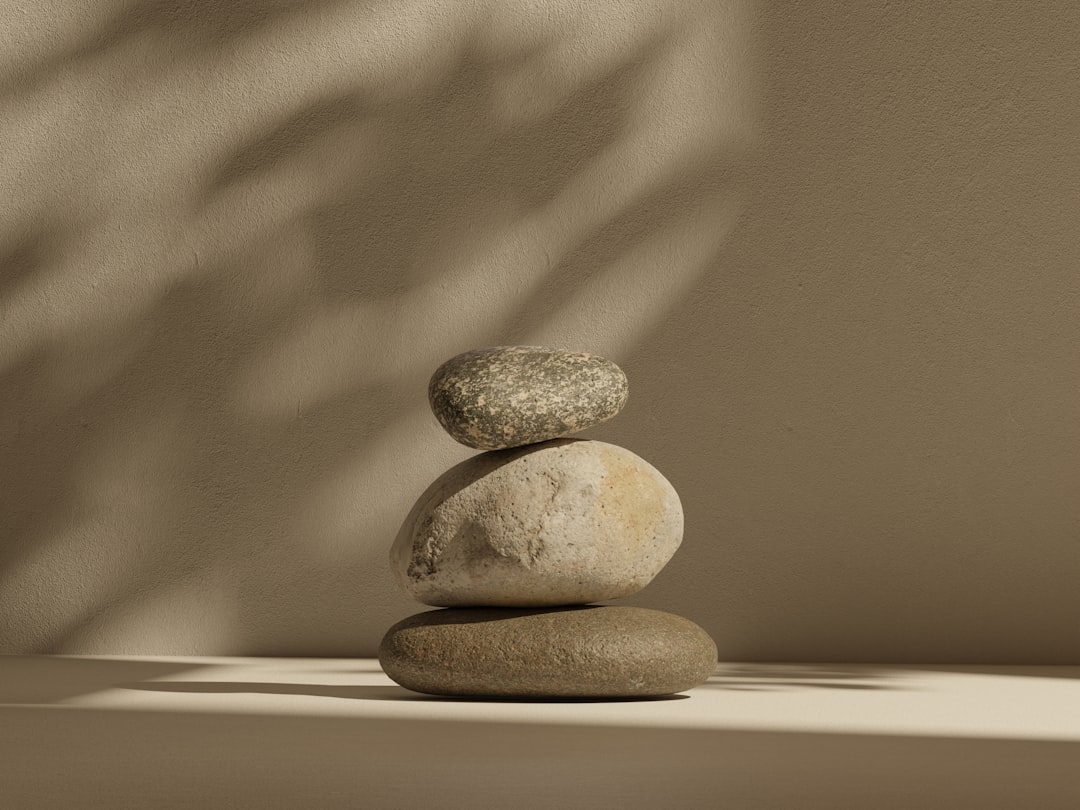
Wabi-sabi interior design is rooted in a Japanese way of seeing that finds beauty in imperfection, impermanence and the natural cycle of things. It is less a decorating style than a philosophy made visible: rooms that are quiet, raw and unforced, where a cracked bowl, a weathered beam or an asymmetric form is valued precisely because it is imperfect and real.
This guide explains the meaning behind wabi-sabi interior design, its defining features in material and palette, and how to bring its calm, grounded sensibility into a modern home. Understanding the philosophy is essential, because wabi-sabi cannot be bought as a set of objects — it is an attitude.
The meaning of wabi-sabi
Wabi-sabi is a worldview with deep roots in Japanese culture and Zen Buddhism. Wabi originally suggested the loneliness of living simply in nature, later coming to mean a rustic, understated, humble beauty. Sabi refers to the beauty that comes with age — the patina, weathering and gentle decay that time brings. Together they describe an appreciation of things that are imperfect, impermanent and incomplete.
The sensibility is closely tied to the Japanese tea ceremony, where simple, handmade, irregular utensils were prized over polished perfection. It accepts that nothing lasts, nothing is finished, and nothing is perfect — and finds peace and beauty in that acceptance. This philosophy underlies much of traditional Japanese architecture and design, which you can explore further in our piece on the traditional Japanese house.
Defining features of wabi-sabi interior design
Wabi-sabi interiors are recognisable for their restraint, naturalness and embrace of imperfection. The look is quiet and grounded, never slick.
- Natural, raw materials. Unfinished or lightly finished wood, stone, clay, linen, paper and plaster.
- A muted, earthy palette. Soft, organic neutrals drawn from nature — beiges, greys, browns, muted greens.
- Handmade and imperfect objects. Irregular ceramics, hand-thrown pottery and visible craftsmanship.
- Signs of age and wear. Patina, cracks and weathering valued as beauty, not defect.
- Asymmetry and simplicity. Uneven, organic forms over machine-made symmetry.
- Empty, breathing space. Restraint and negative space, with few but meaningful objects.
The effect is deeply calming — a room that feels honest, settled and quietly alive.
Materials, palette and texture
Wabi-sabi relies almost entirely on natural materials in their honest state. Raw or lightly treated timber that shows its grain and knots, rough plaster and lime-washed walls, natural stone, unglazed clay, handmade paper, and undyed linen and cotton are all central. The point is to use materials that age gracefully and bear the marks of time and use, rather than finishes that try to stay forever new.
The palette is muted and organic, taken straight from the natural world: soft whites, warm beiges, clay and earth tones, stone greys, and muted, dusty greens and browns. Nothing is bright or saturated. Texture, not colour, carries the interest — the roughness of plaster against the smoothness of worn wood, the weave of coarse linen, the irregular surface of a hand-thrown bowl. These tactile contrasts give wabi-sabi rooms their quiet depth.
Furniture, objects and atmosphere
Wabi-sabi furniture is simple, low and unpretentious, made from natural materials and often handcrafted or showing visible joinery. A weathered timber bench, a rough linen sofa, a hand-thrown lamp base — pieces are chosen for their authenticity and their capacity to age well, not for polish or trend. Imperfection is welcome: a repaired crack, an uneven edge or a faded patch is part of the beauty, in the spirit of kintsugi, the Japanese art of mending broken pottery with gold so the repair becomes part of the object’s story.
Space and atmosphere matter as much as objects. Wabi-sabi interiors are uncluttered, with empty space left to breathe and only a few meaningful pieces on display — perhaps a single branch in a vase, a worn ceramic, a stone. Lighting is soft, warm and natural, ideally daylight, with gentle artificial light avoiding harsh brightness. The overall atmosphere is contemplative and grounding. In its love of empty space and natural material, wabi-sabi shares much with minimalist and Japanese-influenced interior design, though it is warmer and more accepting of age and flaw.
How to bring wabi-sabi into a modern home
Because wabi-sabi is a philosophy first, achieving it is more about how you choose and live with things than about buying a particular look. A few principles help.
- Choose natural, honest materials. Favour raw wood, stone, plaster, linen and clay that will age and patinate.
- Embrace imperfection. Keep the handmade, the irregular and the worn; repair rather than replace.
- Mute the palette. Work within soft, earthy neutrals drawn from nature.
- Subtract. Remove the unnecessary and leave space to breathe, displaying only what is meaningful.
- Soften the light. Maximise daylight and keep artificial light warm and gentle.
Most of all, wabi-sabi asks for a change in attitude — to stop chasing flawless, finished perfection and to find contentment in the natural, the aged and the simple. A chip in a favourite bowl, the silvering of an old timber, the unevenness of a handmade tile: these become the quiet pleasures of the home rather than things to fix or hide.
Frequently asked questions
What is wabi-sabi interior design?
Wabi-sabi interior design is a Japanese-rooted approach that finds beauty in imperfection, impermanence and naturalness. It uses raw natural materials, a muted earthy palette, handmade and aged objects, asymmetry and empty space to create calm, honest, grounded rooms.
What does wabi-sabi actually mean?
Wabi originally evoked rustic, humble simplicity in nature, while sabi refers to the beauty that comes with age and weathering. Together they describe an appreciation of things that are imperfect, impermanent and incomplete, accepting and valuing the natural cycle of things.
How is wabi-sabi different from minimalism?
Both value restraint, natural materials and empty space, but wabi-sabi is warmer and embraces imperfection, age and the handmade, whereas minimalism leans towards clean, precise perfection. Wabi-sabi celebrates the cracked and weathered; minimalism tends to refine it away.
What colours suit a wabi-sabi interior?
Soft, muted, earthy neutrals taken from nature — warm whites, beiges, clay and stone tones, greys, and dusty greens and browns. Nothing is bright or saturated, so that texture and material rather than colour carry the interest.
Can I create wabi-sabi style on a modest budget?
Yes, often more easily than polished styles. Wabi-sabi values the handmade, the worn and the imperfect, so simple natural materials, secondhand and aged pieces, and repaired objects all suit it. The emphasis is on authenticity and restraint rather than expense.
Related reading
- Styling Your Home with Indoor Plants: A Guide
- Using Mirrors in Interior Design: A Practical Guide
- Floor Lamps in Interior Design: Floor Lamp Ideas
- Pendant Lighting Ideas for Every Room
Reworking a home around natural materials and quiet, honest space? Talk to our consultancy or get in touch.


