
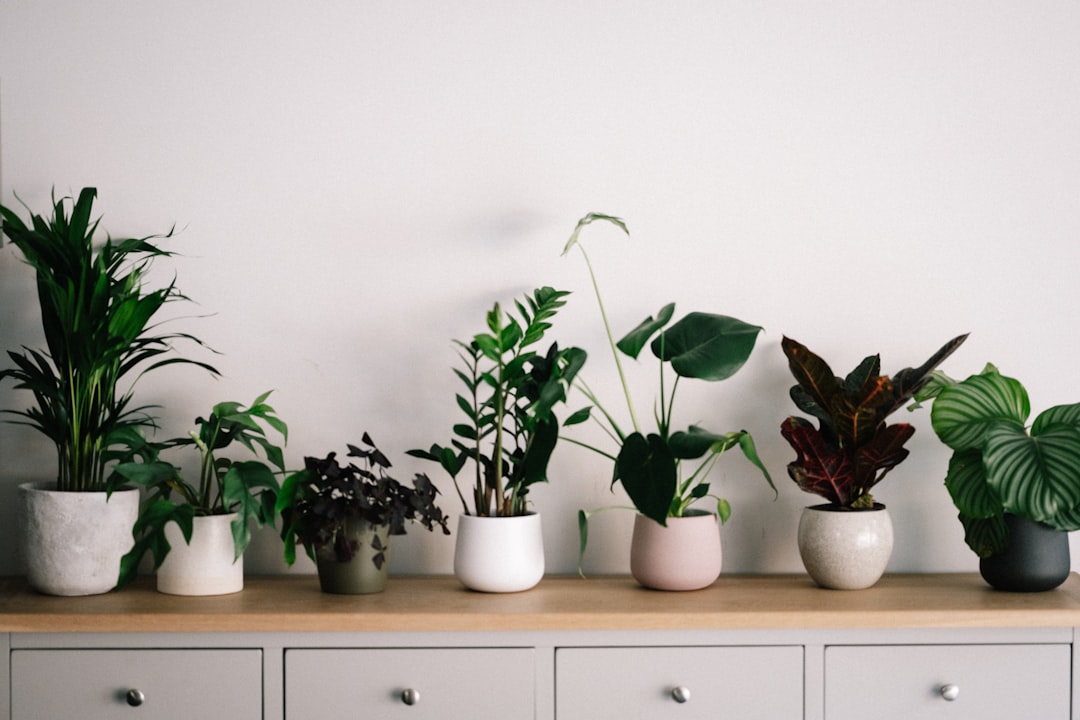
Plants are the quickest way to make a room feel alive, but a healthy plant in the wrong spot still looks like a healthy plant in the wrong spot. Good indoor plants styling is less about owning more greenery and more about choosing the right specimens, putting them where they thrive, and composing them so they read as part of the room rather than scattered across it.
This guide works through the decisions that matter: matching plants to the light you actually have, getting scale and proportion right, grouping for impact, choosing planters, and placing greenery so every surface earns its keep. We finish with reliable low-maintenance picks and the mistakes that catch most people out.
Start with the light you have
Light is the first and most important filter. Every styling idea below assumes the plant can survive where you want to put it, and the most common reason houseplants struggle is being placed for looks rather than for light.
Spend a day noticing how sun moves through the room. A spot a metre from a bright window is high light; a few metres back, or beside a window shaded by a building, is medium light; an interior corner away from any window is low light. Match the plant to the reading, not the other way round.
- Bright, direct light: succulents, cacti and many flowering plants want this.
- Bright, indirect light: fiddle-leaf fig, rubber plant, monstera and most popular foliage plants thrive here.
- Medium light: pothos, philodendron and peace lily are forgiving.
- Low light: snake plant, ZZ plant and cast-iron plant tolerate dim corners.
Scale and proportion
A single plant the right size for its setting does more than three that are slightly too small. Scale is what makes greenery feel deliberate. Read the space before you read the plant: a high-ceilinged living room can carry a tall floor specimen, while a windowsill wants something compact.
As a rule, a floor plant should reach somewhere between a third and two-thirds the height of the nearest wall feature, such as a window or a tall shelf. On a table or sideboard, keep plants low enough not to block sightlines across the room. Empty vertical space above a low cabinet is an invitation for a tall plant or a trailing one from a shelf above.
Proportion also applies to the plant against its pot. A top-heavy specimen in a small planter looks unstable and tends to topple; a small plant lost in an oversized pot looks underdone. A useful starting point is a planter roughly a third the height of the plant above it, adjusted by eye until the pairing feels settled rather than precarious.
Grouping and arrangement
Plants almost always look better in considered groups than dotted around singly. The eye reads a cluster as one composition, which feels calmer than scattered pots competing for attention across a room.
Odd numbers and varied height
Group in odd numbers, threes and fives, and vary the height within the group. A tall plant, a medium one and a low trailing plant together create a natural, layered look. Mixing leaf shapes, a broad-leaf next to something fine and feathery, adds interest without needing more pots. This restraint and rhythm echoes principles found in architectural styles and principles, where balance matters more than quantity.
Choosing pots and planters
The planter is part of the styling, not an afterthought. A consistent material or palette across a group, terracotta throughout, or a set of matte ceramics in two or three tones, ties a collection together even when the plants differ. Vary planter heights to support the layered effect, and raise floor plants on stands where you want lift. Always check the pot drains or sits inside a liner, since waterlogged roots kill more plants than neglect.
Placement around the room
Once you know what survives where, placement is about giving each plant a job. Think in terms of the surfaces and zones a room already has rather than finding bare spots to fill.
- Floor corners: a tall plant softens a hard corner and adds height where furniture cannot.
- Shelves and ledges: trailing plants break up rows of books and objects.
- Tabletops and sideboards: one low, full plant is enough; resist crowding the surface.
- Hanging: suspended planters draw the eye up and free surfaces in compact rooms.
- Bathrooms and kitchens: humidity-loving plants such as ferns and pothos do well here, light permitting.
Plants also pair naturally with other decor. A trailing plant beside a mirror, or a sculptural specimen near a piece of art, lets two elements reinforce each other. When you are planning a wider scheme, it helps to think about greenery alongside the rest of your interior design rather than adding it last.
Low-maintenance picks
If you travel, forget to water, or simply want green that survives real life, start with plants that tolerate neglect. These reward you with structure and a strong silhouette while asking very little in return.
- Snake plant: upright, sculptural, happy in low light and infrequent watering.
- ZZ plant: glossy and almost indestructible, ideal for dim corners.
- Pothos: trailing and fast-growing, forgiving of irregular care.
- Cast-iron plant: exactly as tough as the name suggests.
- Rubber plant: a strong floor specimen that handles a range of light.
Common mistakes
Most plant styling problems come down to a handful of repeat offenders. Avoiding them does more for the look of a room than buying anything new.
- Buying for looks over light: the prettiest plant fails fast in the wrong spot.
- Too many small pots: scattered tiny plants look fussy; consolidate into fewer, larger statements.
- Matching every plant to one height: uniform heights read flat, so vary them.
- Overwatering: the most common cause of houseplant death; let most plants dry between waterings.
- Ignoring the planter: a beautiful plant in a mismatched pot undercuts the whole effect.
Frequently asked questions
How do I choose an indoor plant for a low-light room?
For an interior corner away from any window, choose tolerant species such as the snake plant, ZZ plant or cast-iron plant, all of which keep a strong sculptural shape in dim conditions without the steady decline that light-hungry plants show in the same spot.
How many plants should I group together?
Group in odd numbers such as threes or fives, and vary the height within the cluster by combining a tall plant, a medium one and a low or trailing plant, because the eye reads an odd-numbered, layered group as a single calm composition rather than scattered pots.
What size plant suits a living room corner?
Choose a floor plant that reaches roughly a third to two-thirds the height of the nearest window or tall shelf, so it fills the vertical space and softens the corner without overwhelming the surrounding furniture or blocking sightlines across the room.
Why do my houseplants keep dying?
The two most common causes are placing plants for looks rather than for the light a spot actually receives, and overwatering, so match each plant to its light level honestly and let most species dry out partly between waterings rather than keeping the soil constantly wet.
Do planters really matter for styling?
Yes, the planter is part of the composition; keeping to a consistent material or a palette of two or three tones across a group ties varied plants together, while varying planter heights supports the layered look that makes greenery feel deliberate rather than accidental.
Related reading
- Powder Room Design: Making a Small Guest Bath Special
- Entryway and Foyer Design: A Calm, Functional Welcome
- Nursery Design Ideas: A Calm, Safe and Practical Guide
- Kids Room Design: A Safe, Flexible and Practical Guide
Planning a refresh and want a considered, accountable approach? Talk to our consultancy or get in touch.


