
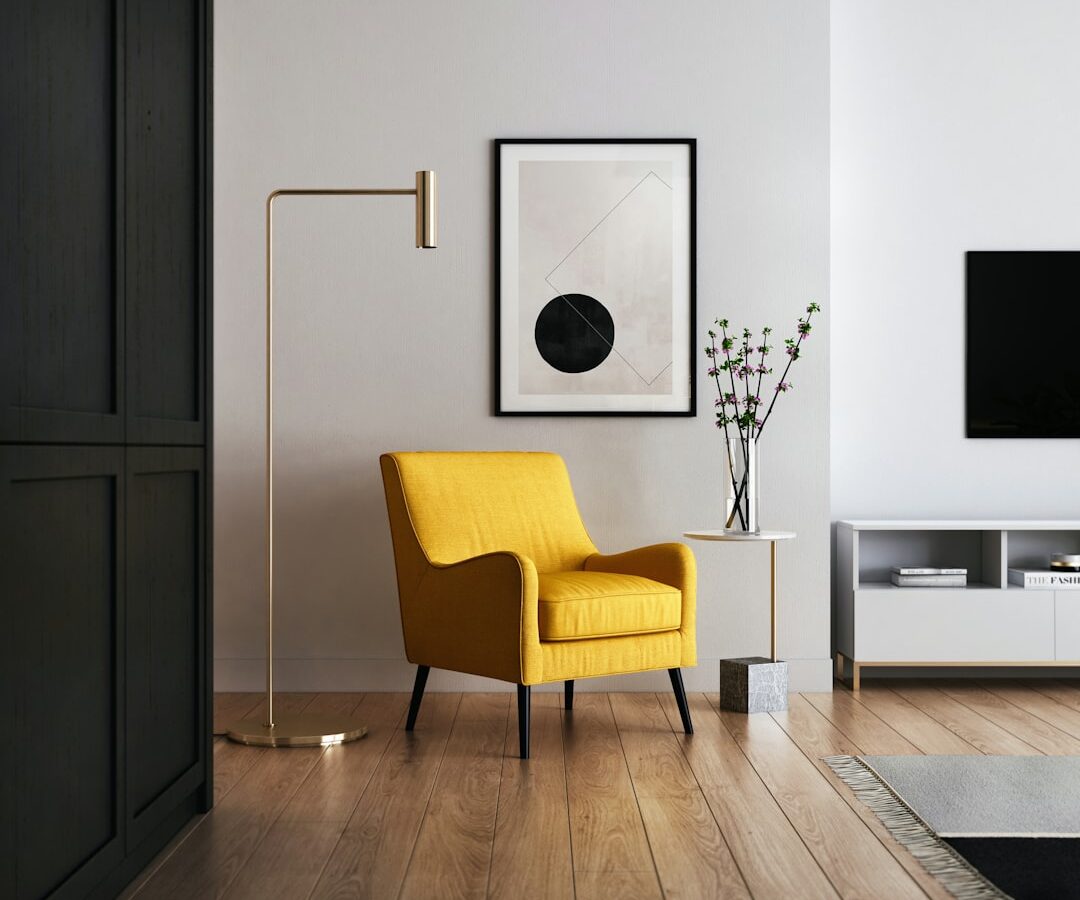
Modern interior design is one of the most influential and most misnamed styles in the field. To most people “modern” simply means current, but in design it refers to a specific historical movement that began in the early twentieth century and reshaped how we think about space, form and function. Understanding that distinction is the key to using the style well.
This article sets out the principles and origins of modern interior design, its defining features in form, colour and material, and practical ideas for bringing it into a home today. The goal is to explain the style accurately rather than treat it as a synonym for “new”.
The origins of modern design
Modern design grew out of the upheavals of the early twentieth century — new materials such as steel, plate glass and reinforced concrete, mass production, and a reaction against the heavy ornamentation of Victorian and earlier interiors. The German Bauhaus school, founded in 1919, was its most important engine, championing the idea that form should follow function and that beauty could come from honest structure rather than applied decoration.
Figures such as Ludwig Mies van der Rohe, Le Corbusier and, later, the mid-century American and Scandinavian designers carried these ideas into furniture and interiors. By the 1950s and 1960s, modern design had matured into the warm, optimistic look now often called mid-century modern. For a wider view of how this fits among other movements, see our overview of architectural styles and principles.
Core principles of modern interior design
Modern interior design rests on a handful of clear ideas that still feel fresh a century later. They are principles rather than rules, which is why the style has aged so well.
- Form follows function. Every element should serve a purpose; decoration for its own sake is avoided.
- Honesty of materials. Steel, glass, concrete and wood are shown as they are, not disguised.
- Clean lines and geometry. Strong horizontals and verticals, simple shapes and an absence of fussy detail.
- Open, flowing space. Rooms connect rather than divide, blurring the line between living, dining and kitchen.
- Connection to the outdoors. Large windows and a strong indoor-outdoor relationship are central.
These principles distinguish genuine modern design from the catch-all use of the word, and they explain why it overlaps with, but is not identical to, contemporary or minimalist styles.
Colour, materials and texture
The modern palette is typically neutral and grounded — whites, blacks, greys and the natural browns of timber — but it is famously warmed by accents drawn from the mid-century period: mustard yellow, olive green, burnt orange, teal and warm wood tones. This is what gives true modern interiors their optimism, distinguishing them from cooler minimalist schemes.
Materials are central to the look and are always expressed honestly. Polished concrete, exposed steel, large panes of glass, and richly grained timbers such as walnut and teak are signatures. Leather, wool and natural fibres add warmth. Surfaces are smooth and the detailing restrained, but the materials themselves carry visual richness, so a modern room rarely feels cold despite its discipline.
Furniture, layout and lighting
Modern furniture is among the most recognisable and most reproduced in design history — think of low-slung sofas, tapered timber legs, moulded plywood and tubular steel frames. Pieces are functional and sculptural at once, sitting low to emphasise the horizontal and to keep sightlines open. Iconic chairs and tables from the modern canon remain in production precisely because the design logic still holds.
Layouts favour openness. Walls are removed or reduced so that living, dining and kitchen flow together, and furniture is arranged to define zones within that single space rather than to wall them off. Because so many modern interiors depend on opening up a plan, the structural implications matter — our note on load-bearing walls explains what is involved when you remove a wall to achieve that flow. Lighting is layered and often architectural: recessed downlights, sculptural pendants and the large windows that bring daylight deep into the plan.
Ideas for bringing modern design home
You do not need a glass-walled house to live with modern design. The principles translate to flats and older homes if you apply them with discipline.
- Open up where you can. Connect adjacent rooms or at least keep sightlines clear to echo the open-plan ideal.
- Choose honest materials. Real timber, stone and metal in their natural finishes carry the look better than imitations.
- Anchor with a few iconic pieces. One or two well-made modern designs set the tone for a whole room.
- Add mid-century warmth. A mustard chair, an olive rug or a walnut sideboard injects the optimism the style is known for.
- Maximise daylight. Keep windows unobstructed and treat light as a structural part of the design.
Modern design endures because it is rational rather than fashionable. If you build on its principles — function, honesty, clean line and openness — the result tends to feel timeless rather than dated. For more ways to apply these ideas across rooms, our main interior design hub is a useful companion.
Frequently asked questions
Is modern interior design the same as contemporary design?
No. Modern design refers to a specific historical movement from the early-to-mid twentieth century with a settled vocabulary, while contemporary design simply means whatever is current and keeps changing. A modern interior can be reproduced faithfully today; a contemporary one reflects present trends.
What defines mid-century modern?
Mid-century modern is the warm, optimistic phase of modern design from roughly the 1940s to 1960s, marked by organic and tapered furniture forms, rich timbers such as walnut and teak, and accent colours like mustard, teal and burnt orange.
Does modern design have to be cold or stark?
No. True modern design is warmed by natural timbers, leather, wool and mid-century accent colours. The honesty of its materials gives it richness, so it should feel grounded and optimistic rather than clinical.
Can modern design work in an older home?
Yes. You can introduce modern principles — clean lines, honest materials, open sightlines and iconic furniture — within a period shell. The contrast between an older structure and modern furnishings is often very effective.
What materials are typical of modern interiors?
Steel, glass, polished concrete and richly grained timbers are signatures, shown honestly rather than disguised. Leather, wool and natural fibres add warmth, while restrained detailing keeps the materials themselves as the focus.
Related reading
- Zen Interior Design Ideas
- Wabi-Sabi Interior Design
- Modern Farmhouse Interior Design
- Maximalist Interior Design
Planning an open-plan, modern renovation that needs walls removed safely? Talk to our consultancy or get in touch.


