
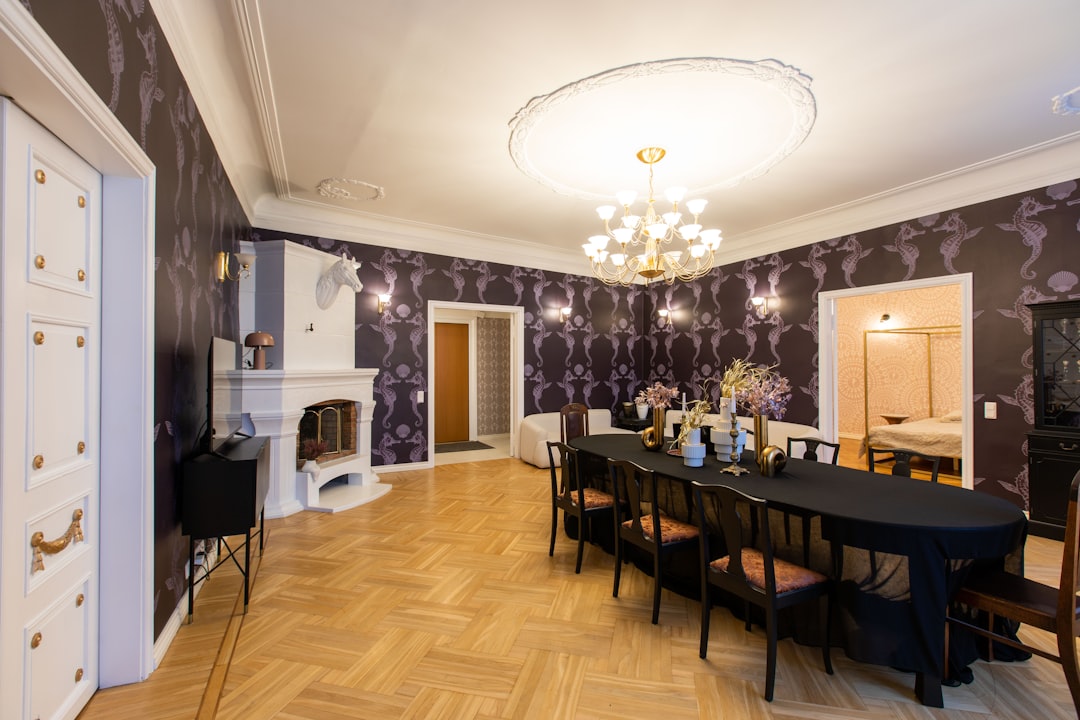
Maximalist interior design is minimalism’s confident opposite. Where minimalism subtracts, maximalism adds — bold colour, layered pattern, abundant objects and rich texture, all combined with deliberate intent. It is “more is more” done with skill, creating rooms that are personal, energetic and full of stories. The crucial point, often missed, is that good maximalism is curated, not cluttered.
This guide explains what maximalist interior design really is, the principles that keep it from descending into mess, and how to layer colour, pattern and collected pieces into a coherent, expressive whole. Maximalism is harder than it looks, but immensely rewarding when it works.
What maximalism is — and is not
Maximalism celebrates abundance and self-expression. It embraces saturated colour, mixed patterns, gallery walls, collections and a layering of textures and styles that minimalism would strip away. At its heart is the idea that a home should reflect the full personality and history of the people who live in it, rather than presenting a calm, neutral blank.
It is not, however, the same as clutter or hoarding. The difference is intention. A maximalist room is carefully composed — colours are related, objects are chosen and arranged, and there is an underlying logic holding the abundance together. Clutter is accidental; maximalism is deliberate. In that sense it sits at the opposite end of the spectrum from much of contemporary interior design, yet it demands just as much discipline to do well.
Defining features of maximalist interior design
Maximalism is recognisable for its richness and density. Every surface is an opportunity, but the effect is composed rather than chaotic.
- Bold, saturated colour. Deep, vivid hues used generously, often on walls and ceilings.
- Layered pattern. Multiple prints — florals, stripes, geometrics — mixed within a room.
- Collections on display. Books, art, ceramics and objects grouped and shown rather than stored away.
- Rich texture. Velvet, brass, lacquer, embroidery and varied finishes layered together.
- Gallery walls and abundant art. Walls filled rather than left bare.
- An eclectic mix. Periods, styles and origins combined freely.
The result is a room that feels full, personal and alive — the opposite of a showroom.
Colour and pattern, done with control
Colour is maximalism’s engine. The style embraces deep, saturated tones — emerald, teal, oxblood, mustard, plum — and is unafraid to use them across walls, ceilings and large furniture. But even bold maximalist rooms usually share an underlying palette or relationship between colours, which is what keeps the abundance coherent. A common approach is to choose a few dominant colours and let everything else relate to them.
Pattern is layered with the same logic. Maximalism mixes florals, stripes, geometrics and ethnic prints in one space, but successful combinations vary the scale of pattern — a large floral with a fine stripe and a medium geometric — and share a colour thread that ties them together. This control over scale and palette is the difference between rich and chaotic. Mixing pattern is a skill, and maximalism is where it is exercised most boldly.
Layering objects, art and texture
If pattern gives maximalism its energy, layered objects give it its soul. Collections are central: books stacked and shelved, ceramics grouped, art hung salon-style from floor to ceiling, and meaningful objects displayed rather than hidden. The arrangement is what matters — grouping by colour, theme or height turns a pile of things into a considered composition.
Texture is layered just as deliberately. Velvet upholstery, brass and lacquer, embroidered and fringed textiles, patterned rugs over rugs, and a mix of timber, metal and glass all combine to give the room tactile depth. Lighting is warm and layered, with multiple sources rather than a single overhead, reinforcing the cosy, enveloping atmosphere. The overall effect should feel collected over a lifetime — because the best maximalist homes genuinely are. For more on combining periods and styles confidently, our piece on eclectic design within the broader interior design hub is a natural next read.
How to do maximalism without chaos
Maximalism’s reputation for being difficult is deserved, but a few principles keep it on the right side of the line between rich and messy.
- Anchor with a palette. Choose a handful of related colours and run them through the room so everything connects.
- Vary the scale of pattern. Combine large, medium and small prints rather than competing prints of the same size.
- Compose, don’t pile. Group objects and art by colour, theme or height so collections read as deliberate.
- Balance the busyness. Leave a few quieter spots for the eye to rest amid the abundance.
- Edit ruthlessly within abundance. Display what you love and arrange it with care; quantity alone is not the goal.
The paradox of maximalism is that it requires as much editing as minimalism — just towards a different end. Every bold colour, pattern and object should earn its place and relate to the whole. Done with that discipline, maximalist interior design produces some of the most characterful, joyful and personal rooms there are.
Frequently asked questions
What is maximalist interior design?
Maximalist interior design is a bold, abundant style that embraces saturated colour, layered pattern, displayed collections and rich texture. It is the opposite of minimalism, designed to express personality fully, but it is curated and intentional rather than cluttered.
Is maximalism just clutter?
No. The difference is intention. Maximalist rooms are carefully composed, with related colours, varied pattern scales and deliberately arranged objects holding the abundance together. Clutter is accidental and chaotic; maximalism is planned and coherent.
How do I mix patterns without it looking chaotic?
Vary the scale of your patterns — pair a large floral with a fine stripe and a medium geometric — and make sure they share a common colour thread. Differing scale plus a unifying palette is what keeps mixed patterns rich rather than messy.
What colours suit a maximalist room?
Deep, saturated tones such as emerald, teal, oxblood, mustard and plum suit the style and can be used boldly on walls and furniture. Choosing a few dominant colours and relating everything to them keeps even a vivid scheme coherent.
Can maximalism work in a small space?
Yes. A small room can carry deep colour and layered pattern very well, often feeling cosy and enveloping rather than cramped. The same rules apply — anchor with a palette, vary pattern scale, and arrange objects deliberately so the space reads as composed.
Related reading
- Color Psychology in Interior Design: A Practical Guide
- Best Bedroom Paint Colors: A Calming Buyer’s Guide
- Decorating With a Neutral Color Palette That Works
- How to Choose a Home Color Scheme That Flows
Reworking a home to express bold, layered personality? Talk to our consultancy or get in touch.


