

Brickwork and Blockwork Explained
Brickwork and blockwork are forms of masonry — walls built up from individual units bedded in mortar. Bricks are the small, familiar clay units;…
Concrete · materials · foundations · how buildings are built
Brickwork and blockwork are forms of masonry — walls built up from individual units bedded in mortar. Bricks are the small, familiar clay units;…

Plastering is the application of a smooth, hard coating to walls and ceilings to give them an even surface ready for painting or finishing.…
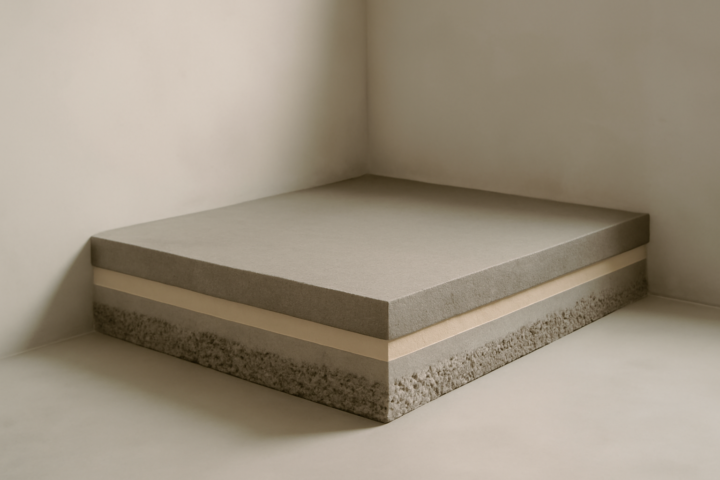
Cement screed is a layer of sand-and-cement mortar laid over a structural floor to create a smooth, level surface ready to receive a finish…

Waterproofing is the work of keeping water out of a building, and in a wet, humid climate like Singapore’s it is among the most…
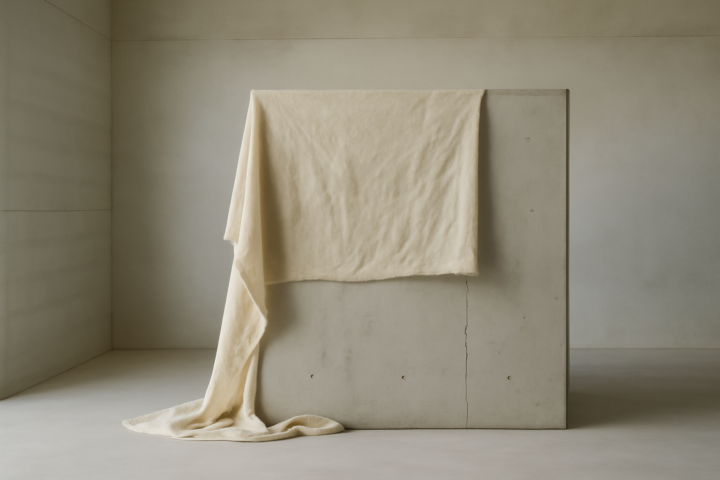
Concrete curing is the process of keeping freshly placed concrete moist and at a suitable temperature long enough for it to gain strength and…
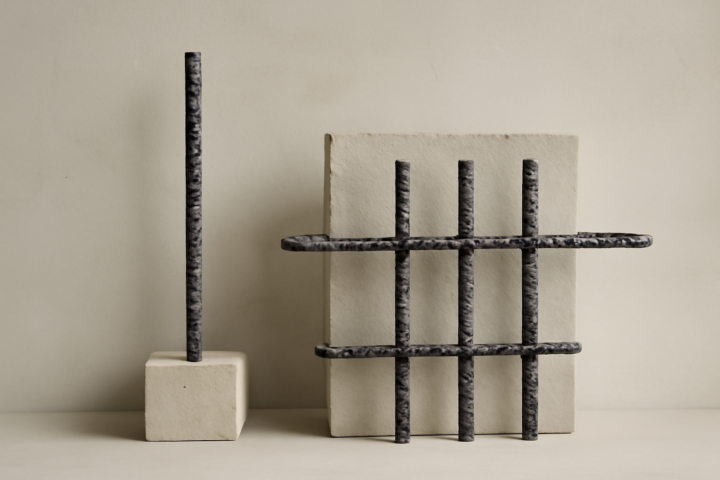
Rebar, short for reinforcement bar, is the steel placed inside concrete to give it the tensile strength concrete lacks on its own. Concrete is…

Formwork is the temporary mould into which wet concrete is poured and held until it hardens into its intended shape. Every cast-in-place concrete element…
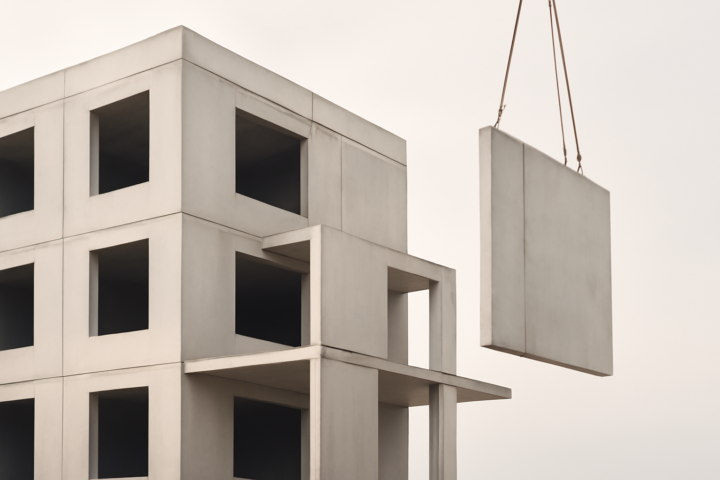
Precast concrete is concrete that is cast and cured in a controlled factory environment, then transported to site and lifted into position, rather than…
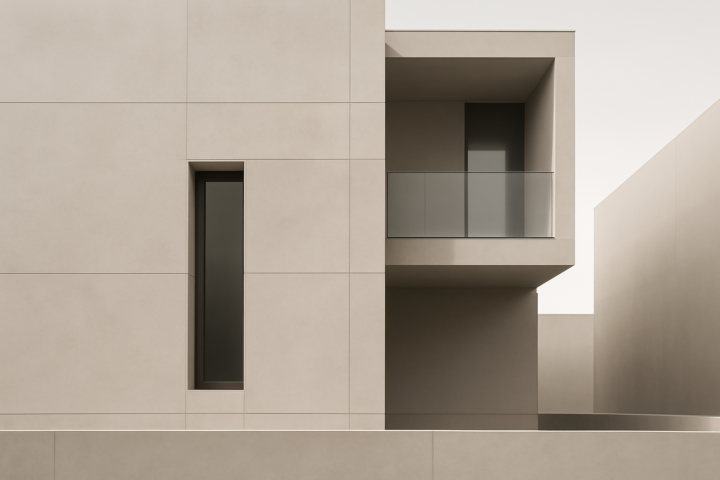
Buildability is one of those ideas that sounds abstract until you see its effect on a real project: two buildings of similar size, one…
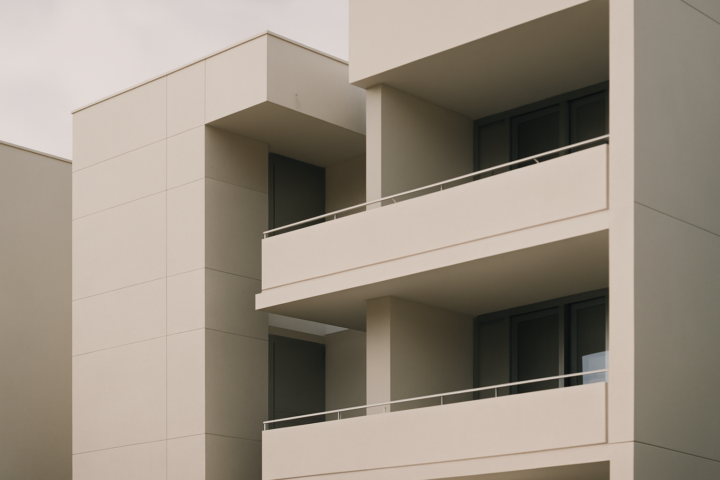
If you have ever read a Singapore property launch brochure boasting about its “CONQUAS score”, you may have wondered what the number actually means.…

Most people think of construction as the permanent thing being built — the walls, floors and frame that will stand for decades. But almost…

A building’s facade is the part the public lives beneath. Cladding panels, tiles, render, windows, fixtures and architectural features all hang above pavements, driveways…