Plastering is the application of a smooth, hard coating to walls and ceilings to give them an even surface ready for painting or finishing. It is the layer that turns rough brickwork, blockwork or bare concrete into the flat, clean surfaces we live with every day. Though it looks simple, good plastering is a skilled trade, and poor plastering is behind a great many of the cracks, bulges and hollow patches that show up in finished buildings.
This article explains what plastering is for, the materials and coats involved, the difference between plaster and render, and why preparation and curing make the difference between a wall that lasts and one that cracks.
What plastering is for
The substrate of a wall — brickwork, blockwork or concrete — is rarely smooth or perfectly flat. Plastering covers these surfaces with a coating that:
- Creates a smooth, even finish ready to receive paint, wallpaper or other decoration.
- Conceals the joints and irregularities of the masonry or concrete beneath.
- Adds a protective layer that improves the durability and, to a degree, the fire and moisture resistance of the wall.
- Provides a sound surface for fixings and finishes.
The plaster sits on the masonry described in brickwork and blockwork, and the quality of that masonry directly affects how well the plaster performs. A wavy or poorly built wall is much harder to plaster flat.
Plaster, render and skim
Several related terms cause confusion:
- Plaster generally refers to the internal coating applied to walls and ceilings inside a building.
- Render is the external version — a coarser, weather-resistant cement-based coating applied to outside walls, exposed to rain and sun.
- Skim coat is a thin final layer of fine plaster that gives the smooth surface ready for paint.
Internal plastering and external rendering use different mixes because they face different conditions: render must shed water and resist weathering, while internal plaster prioritises a smooth, paintable finish. Using an inappropriate mix in the wrong place is a common cause of failure, particularly when an internal-type finish is exposed to the weather.
The coats and how they build up
Plastering is usually applied in more than one coat, each with a role:
- A base or scratch coat is applied first to even out the major irregularities and provide a key for the next layer. It is often scratched or roughened so the following coat grips.
- A finishing or skim coat is then applied thinly and smoothed to create the final surface.
Building up in coats matters because a single thick coat tends to crack, slump and dry unevenly. Each coat should also be allowed to set appropriately before the next is applied, and the total thickness kept within sensible limits. Thick, single-pass plastering applied to save time is a frequent source of later cracking and debonding.
Why preparation decides the outcome
Most plastering failures begin before the plaster is even mixed, in the preparation of the surface beneath. Plaster needs a clean, sound, suitably absorbent background to bond to. If the wall is dusty, painted, too smooth, or unevenly absorbent, the plaster will not key properly and can debond, leaving hollow, drummy areas that eventually crack or fall away.
Smooth concrete in particular gives plaster little to grip, so it is usually prepared with a bonding agent or a roughened key coat first. Mixing materials that move differently — for example placing plaster across the junction of concrete and blockwork without reinforcement — invites cracking at that line. Good preparation, the right background treatment, and reinforcement at junctions prevent most of these problems. This attention to process is the same quality discipline measured by frameworks like CONQUAS.
Curing and cracking
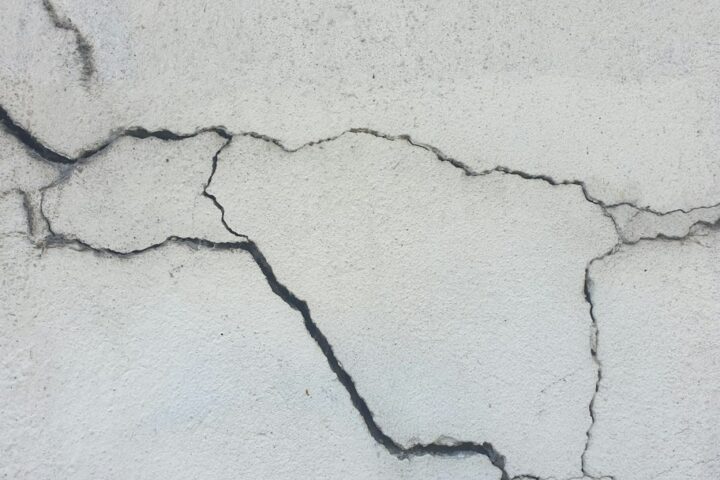
Cement-based plaster and render gain strength by hydration and should not be allowed to dry out too quickly, especially in hot or windy conditions. Plaster that dries too fast develops fine shrinkage cracks (crazing) across the surface and can be weak and dusty. Keeping the work damp during the early period, and protecting it from direct sun and draughts, produces a stronger, crack-free finish — the same principle as concrete curing.
Ceilings deserve particular care, because plaster applied overhead has gravity working against its bond, so any debonded area can eventually fall; adequate keying and sensible coat thicknesses matter even more there than on walls. It is worth distinguishing cosmetic plaster cracks from cracks that signal movement in the structure behind. Fine surface crazing is a plastering issue; but cracks that follow a consistent line, widen over time, or appear at door and window corners can indicate movement in the wall or frame. Where a crack looks structural rather than superficial, it should be assessed — our structural engineering consultancy can tell the difference.
Frequently asked questions
What is plastering in construction?
Plastering is the application of a smooth, hard coating to walls and ceilings to cover rough masonry or concrete and create an even surface ready for painting or other finishes.
What is the difference between plaster and render?
Plaster is the internal coating applied to walls and ceilings inside a building for a smooth finish, while render is a coarser, weather-resistant cement-based coating applied to external walls exposed to rain and sun.
Why is plastering applied in coats?
Plastering is built up in coats because a base coat evens out major irregularities and provides a key, while a thin finishing coat gives the smooth surface; a single thick coat tends to crack, slump and dry unevenly.
Why does plaster crack or sound hollow?
Cracking and hollow, drummy areas usually result from poor surface preparation, an inappropriate or over-thick mix, or drying too fast; the plaster fails to bond to the background or shrinks excessively as it sets.
Are cracks in plaster a structural problem?
Fine surface crazing is usually a cosmetic plastering issue, but cracks that follow a consistent line, widen over time, or appear at door and window corners can indicate movement in the structure and should be assessed.
Related reading
- Curtain Wall Construction Explained
- The Concrete Slump Test Explained
- Types of Scaffolding in Construction
- Cement Screed Explained
Seeing cracks and unsure whether they are cosmetic or structural? Talk to our consultancy or get in touch.