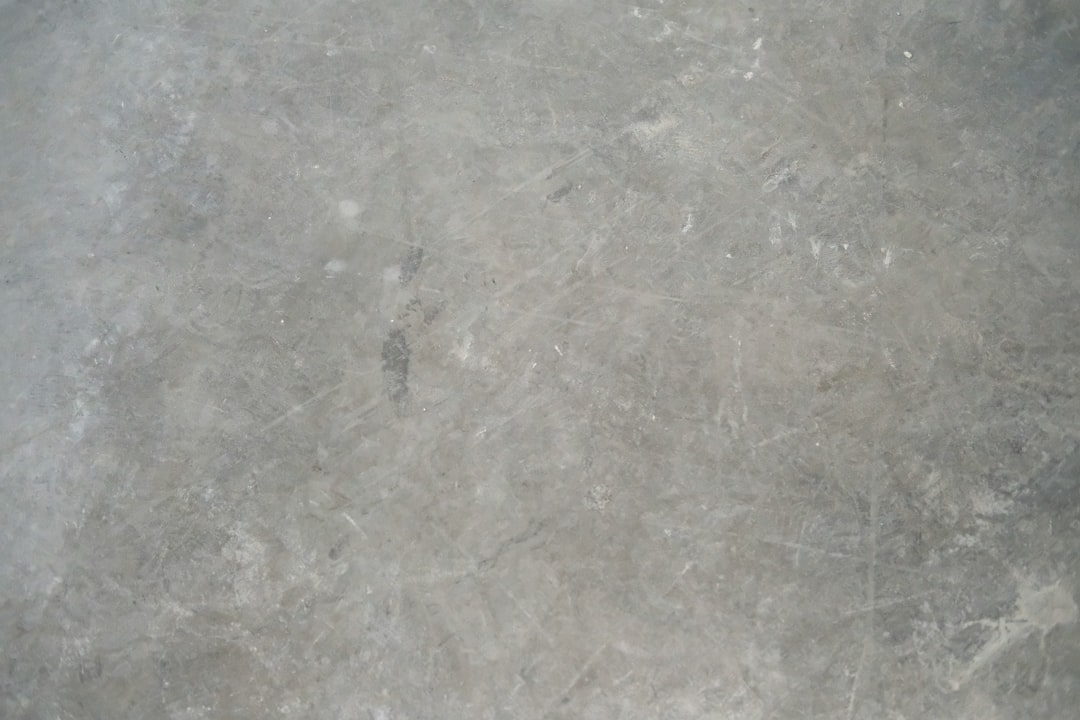
Cement screed flooring has become one of the most requested finishes in Singapore homes that want a raw, industrial, minimalist look. The seamless grey surface suits the muted, material-honest interiors that are fashionable now, and it pairs well with timber, black metal, and concrete-toned joinery. But the real thing behaves differently from the photographs, and knowing how it ages is essential before you commit.
This guide explains cement screed flooring honestly: what it actually is, why hairline cracks are part of its nature, how sealing and maintenance work, and how the genuine screed compares with the screed-effect tiles and microcement systems that imitate it. It is written for homeowners weighing the look against the upkeep, so the focus is on realistic expectations.
What cement screed flooring actually is
True cement screed is a thin layer of cement-and-sand mortar laid over the structural slab, then trowelled and finished to give a smooth, seamless surface. In its raw form it is the same material used as a levelling base beneath tiles, but here it becomes the finished floor itself. The appeal is the continuous, jointless expanse of soft grey with subtle trowel marks and tonal variation — a look no tile fully replicates because each pour is unique.
That uniqueness is also the catch. Because it is a site-applied cement finish, the colour and texture vary slightly across the floor and from job to job, and the result depends heavily on the skill of the applicator. It is an honest, handmade material, not a uniform manufactured product, and it should be chosen by people who appreciate that character rather than those expecting tile-like consistency. It is one of several options worth comparing in our overview of types of flooring for Singapore homes.
Hairline cracks: a feature, not a defect
The most important thing to understand is that cement screed cracks. Fine hairline cracks are inherent to a cement finish — they appear as the screed cures and shrinks, and continue to develop subtly with the building’s movement. For the screed look, these hairlines are part of the aesthetic, not a fault, and a good applicator may even guide where they form.
This matters because expectations cause disputes. A homeowner expecting a flawless, crack-free surface will be unhappy; one who understands that hairlines are intrinsic will accept them as patina. What is not normal is wide, structural cracking, lifting, or hollowness — that points to a substrate or application problem, or in rare cases something structural worth checking. A reputable contractor will explain this distinction upfront, and it is the kind of expectation-setting we stress in our guide to avoiding renovation mistakes.
Sealing and maintenance
Raw cement is porous, so it stains easily — water, oil, coffee, and wine all leave marks if the surface is unsealed. Sealing is therefore essential, and it shapes how the floor lives.
- Penetrating sealers soak in and protect while keeping the natural matte look, but offer less stain resistance and need periodic reapplication.
- Topical sealers and coatings (such as polyurethane) form a protective film with better stain and water resistance, at the cost of a slightly less raw appearance and the need to recoat when worn.
Day-to-day maintenance is simple — sweep and damp-mop with a pH-neutral cleaner, avoid harsh acids that etch cement, and wipe spills promptly. Over years the sealer wears in high-traffic paths and may need refreshing. Cement screed is best suited to dry living areas; in wet zones like bathrooms it needs careful detailing and is more demanding, so many homes use it in living and dining areas and choose tiles for wet spaces.
The real screed versus screed-effect tiles and microcement
Because true cement screed is demanding, several alternatives mimic the look with fewer drawbacks:
- Screed-effect (concrete-look) tiles — large-format porcelain tiles printed to resemble cement. They give a very convincing concrete look with the durability, stain resistance, and predictability of porcelain, but they have grout joints, so the surface is not truly seamless. For many homeowners this is the practical sweet spot.
- Microcement (micro-screed) — a thin, polymer-modified cement coating applied in layers over a prepared substrate. It gives a seamless screed look with better crack and water resistance than raw screed and can be used on walls and even in bathrooms when properly specified, though it relies heavily on correct application.
- Polished concrete — grinding and polishing the structural slab itself; more common in landed or industrial settings than typical flats.
The honest summary: if you love the genuine, imperfect, handmade screed and accept hairlines and maintenance, real cement screed is unmatched. If you want the look with more reliability, screed-effect porcelain tiles or a quality microcement system are sensible compromises. We compare durable tile options in our guide to homogeneous versus ceramic tiles.
Is it right for your home?
Cement screed flooring rewards the right owner and frustrates the wrong one. It suits a minimalist interior, a homeowner who values material honesty and accepts patina, and dry living areas where its character can show. It is less suited to those who want a perfect, low-maintenance, uniform floor, or to wet areas without careful detailing.
Whichever route you choose — true screed, microcement, or screed-effect tiles — get a skilled, experienced applicator, see real samples and completed work rather than catalogue images, and budget realistically; quality application is where the cost and the result both lie. We set flooring within the wider budget in our renovation cost guide, and the broader principle of choosing finishes that suit how you live is central to good interior design.
Frequently asked questions
Does cement screed flooring crack?
Yes, fine hairline cracks are inherent to a cement finish — they appear as the screed cures and shrinks and develop subtly with building movement. For the screed look these hairlines are part of the aesthetic, not a defect, though wide structural cracking or lifting is abnormal and should be investigated.
Is cement screed flooring suitable for bathrooms?
Raw cement screed is best for dry living areas; in wet zones it needs careful waterproofing detailing and is more demanding. Many homes use real screed in living and dining areas and choose tiles for bathrooms, or use a properly specified microcement system designed for wet areas.
How do I maintain a cement screed floor?
Seal it to prevent staining, then sweep and damp-mop with a pH-neutral cleaner, avoid harsh acids that etch cement, and wipe spills promptly. The sealer wears in high-traffic paths over years and needs periodic reapplication to keep the floor protected.
What is the difference between cement screed and screed-effect tiles?
True cement screed is a site-applied, seamless cement finish that is unique to each pour but cracks and stains if unsealed. Screed-effect tiles are porcelain printed to look like concrete — very convincing and far more durable and predictable, but with grout joints, so not truly seamless.
Is microcement better than cement screed?
Microcement is a thin, polymer-modified coating that gives a seamless screed look with better crack and water resistance than raw screed, and it can be used on walls and in bathrooms when properly specified. It depends heavily on skilled application, so the result hinges on the installer.
What is the difference between cement screed and epoxy flooring?
Cement screed is a trowelled cement-and-sand finish with a natural, matt and slightly variable look, whereas epoxy flooring is a resin coating that cures to a seamless, often glossy surface. Epoxy resists stains and chemicals better and is common in garages and commercial spaces, but it looks more synthetic. Epoxy can also be applied over a screed base when greater durability is needed.
Can cement screed flooring be coloured?
Yes, cement screed can be coloured by mixing pigments, usually oxide pigments, into the mortar, giving tones such as charcoal, warm grey or beige instead of the standard light grey. The colour will still vary slightly across the floor because it is a hand-applied cement finish. Ask to see a sample panel in your own lighting, since sealers can deepen the tone noticeably.
How much does cement screed flooring cost in Singapore?
Cement screed flooring in Singapore is typically quoted per square foot and is usually cheaper than microcement or premium porcelain tiles, though prices vary with the applicator’s skill, surface preparation, colour and sealer. Hacking existing tiles, levelling the substrate and applying a topical coating add to the cost. Get an itemised quotation and view the contractor’s completed floors before deciding.
How long does cement screed take to dry before sealing?
A cement screed can usually take light foot traffic after a day or two, but it generally needs a few weeks to dry sufficiently before sealing, depending on thickness, ventilation and humidity. Sealing too early traps moisture and can cause clouding or poor adhesion of the coating. In Singapore’s humid climate, it is worth checking moisture levels rather than relying on a fixed date.
Related reading
- Window Replacement in HDB Flats: The Rules Explained
- Bathroom Waterproofing for HDB Flats: A Practical Guide
- Floor Screeding in Singapore: What Homeowners Should Know
- Demolition Permit and Approval in Singapore
Concerned about cracking in a floor or slab and unsure if it is cosmetic or structural? Talk to our consultancy or get in touch.