
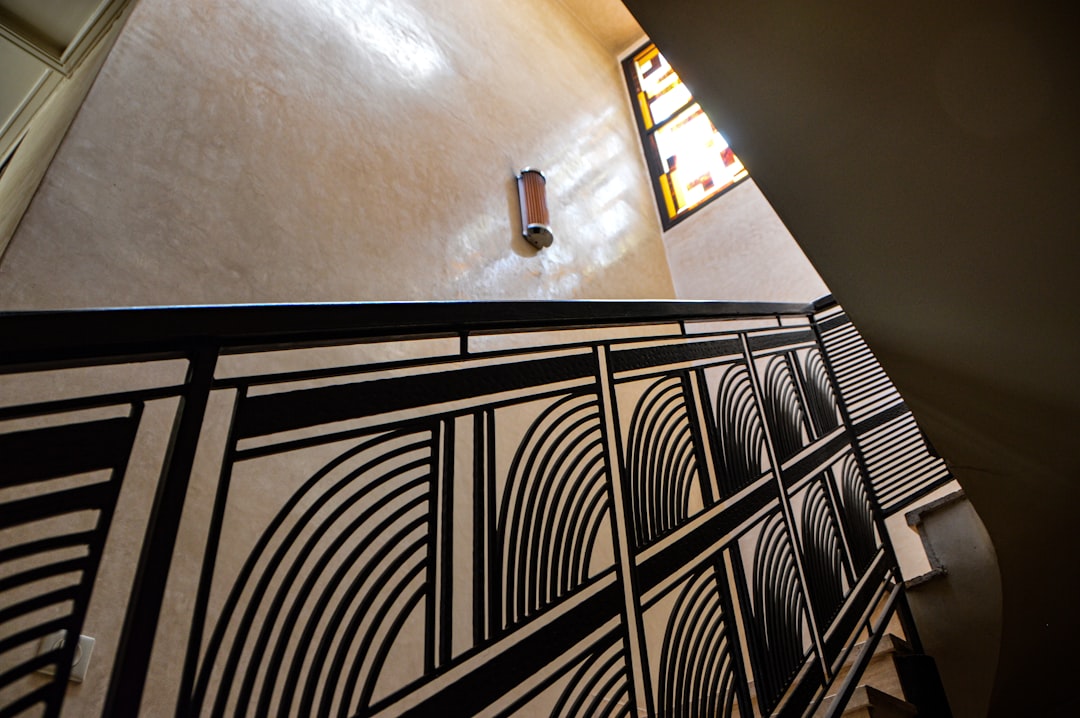
Art Deco interior design is the language of glamour, geometry and confident luxury. Born in the 1920s and 1930s, it brought together bold shapes, rich materials and a sense of optimism and modernity that still feels striking today. Where many styles whisper, Art Deco speaks — it is decorative, symmetrical and unashamedly opulent.
This guide explains where Art Deco came from, what defines it in form, colour and material, and how to bring its glamour into a contemporary home without overwhelming it. Used with discipline, Art Deco interior design adds drama and sophistication to a space.
The origins of Art Deco
Art Deco takes its name from the 1925 Exposition Internationale des Arts Décoratifs et Industriels Modernes in Paris, the event that crystallised the style. It emerged in the optimistic years after the First World War, drawing on a remarkable range of sources: the geometry of Cubism, the streamlined forms of the machine age, the glamour of Hollywood, and motifs from ancient Egyptian, Aztec and East Asian art — the discovery of Tutankhamun’s tomb in 1922 was a particular spark.
The style spread quickly across architecture, interiors, fashion and graphic design through the 1920s and 1930s, leaving landmark buildings around the world. It represented modernity and luxury at once, and that combination is what still defines it. For a wider view of how Deco sits among other movements, see our overview of architectural styles and principles.
Defining features of Art Deco interior design
Art Deco is recognisable for its bold geometry and its love of luxurious contrast. Every element tends towards drama, symmetry and craftsmanship.
- Bold geometric patterns. Chevrons, zigzags, sunbursts, fans and stepped forms repeat throughout.
- Symmetry and strong lines. Layouts and motifs are ordered and balanced.
- Luxurious materials. Lacquer, marble, brass, chrome, glass, mirror and exotic woods.
- Rich, contrasting colour. Deep jewel tones and black set against gold, cream and metallics.
- Glamorous detailing. Mirrored surfaces, inlay, fluting and high-gloss finishes.
- Statement furniture and lighting. Curved, sculptural pieces and dramatic fixtures.
The result is a confident, theatrical interior in which decoration and luxury are the whole point.
Colour, materials and pattern
The Art Deco palette is built on bold contrast. Deep, saturated jewel tones — emerald green, sapphire blue, ruby red, amethyst and rich black — are paired with metallics and warm neutrals such as gold, brass, silver, cream and white. The high contrast between dark and light, matte and metallic, is essential to the drama. Monochrome black-and-white schemes, often with a gold accent, are also a Deco signature.
Materials are chosen for richness and reflection. Lacquered surfaces, polished marble, mirrored panels, brass and chrome hardware, etched glass and exotic, highly grained woods such as ebony and walnut all feature. Pattern is geometric and repetitive — the chevron, sunburst and stepped “ziggurat” motifs appear in flooring, rugs, screens, inlay and metalwork. These patterns give Deco its instantly recognisable rhythm.
Furniture, lighting and styling
Art Deco furniture is sculptural and substantial. Pieces often combine geometric structure with sweeping curves — think rounded sofas, club chairs, scalloped headboards and waterfall-edge cabinets — finished in high-gloss lacquer, velvet upholstery or mirror. Materials mix freely: a marble top on a brass base, lacquered wood with chrome detail. Every piece is meant to make a statement, so quality and craftsmanship matter.
Lighting is treated as jewellery for the room. Frosted and etched glass, stepped chandeliers, sunburst mirrors, and sleek chrome or brass fixtures all reinforce the glamour, often casting geometric shadows. Styling favours bold, considered pieces: a large sunburst mirror, a sculptural vase, lacquered boxes, and art with strong geometry or period style. Plants with strong architectural forms, such as palms, are a classic Deco touch. The key is to let a few luxurious statements lead rather than crowding the room. For more on balancing drama with liveability across the home, our main interior design hub is a useful companion.
Bringing Art Deco into a modern home
Full Art Deco can be overwhelming in a small space, but its elements adapt beautifully when used selectively. The aim is to capture the glamour without turning the room into a film set.
- Start with one bold gesture. A geometric rug, a velvet sofa in a jewel tone, or a sunburst mirror can anchor a whole room.
- Add metallic accents. Brass, gold or chrome in lighting, hardware and frames instantly signals Deco.
- Use geometric pattern sparingly. A chevron floor, a patterned cushion or a fluted cabinet adds rhythm without overload.
- Lean on contrast. Pair dark, rich colours with light neutrals and metallics for that signature drama.
- Choose a few statement pieces. One striking light fixture or piece of furniture does more than many small touches.
Art Deco rewards confidence and craftsmanship. Because it relies on luxurious materials and bold form, quality matters more than quantity — a single well-made Deco piece elevates a room, while cheap imitations flatten it. Treated as a layer of glamour over a calmer base, it can bring real sophistication to a contemporary home.
Frequently asked questions
What is Art Deco interior design?
Art Deco interior design is a glamorous, geometric style from the 1920s and 1930s, defined by bold patterns, symmetry, luxurious materials such as marble, brass and lacquer, and rich, contrasting colours. It combines modernity with opulence and theatrical confidence.
What colours are typical of Art Deco?
Deep jewel tones — emerald, sapphire, ruby and amethyst — and black, set against metallics and warm neutrals like gold, brass, cream and white. High contrast between dark and light, matte and metallic, is central to the look.
What patterns define the Art Deco style?
Bold, repeating geometric motifs are signatures: chevrons, zigzags, sunbursts, fans and stepped ziggurat forms. They appear in flooring, rugs, screens, inlay and metalwork, giving Deco its instantly recognisable rhythm.
Can Art Deco work in a small modern home?
Yes, used selectively. Start with one bold gesture such as a geometric rug or velvet sofa, add metallic accents, use pattern sparingly, and rely on contrast. A few statement pieces capture the glamour without overwhelming a compact space.
How is Art Deco different from modern design?
Modern design strips away ornament in favour of clean function, while Art Deco is decorative, luxurious and geometric by nature. Both emerged in the same era, but Deco celebrates ornament and glamour where modernism rejects them.
Related reading
- Bathroom Design Ideas: Layout, Materials and Practical Detail
- Guest Room Design: Comfort, Storage and Flexibility
- Powder Room Design: Making a Small Guest Bath Special
- Entryway and Foyer Design: A Calm, Functional Welcome
Planning a glamorous renovation and want the structure to support your vision? Talk to our consultancy or get in touch.


