
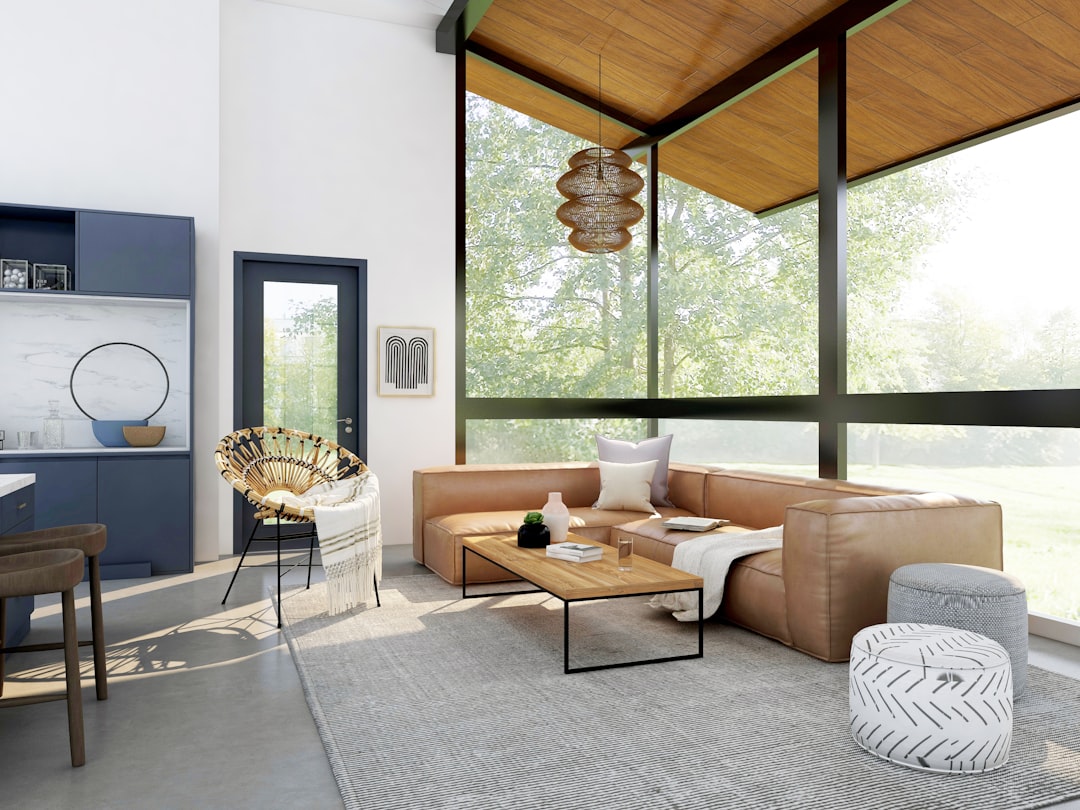
Transitional interior design is the art of the balanced middle ground. It blends the warmth and comfort of traditional style with the clean lines and restraint of modern design, producing rooms that feel timeless, calm and welcoming. For many homeowners it is the most liveable of all the styles, precisely because it commits to neither extreme.
This guide explains what transitional interior design actually is, how it bridges traditional and modern, and how to achieve its careful balance in your own home. The key idea throughout is harmony — pairing the old and the new so that neither dominates.
What “transitional” means
The name describes exactly what the style does: it sits in transition between two worlds. Traditional design is rich in ornament, pattern, curves and history; modern design is spare, geometric and stripped back. Transitional style takes the comfort and elegance of the former and pairs it with the simplicity and lightness of the latter, keeping the best of both while avoiding the heaviness of pure traditional and the coldness of pure modern.
It emerged as homeowners and designers sought interiors that felt current without abandoning comfort and familiarity. The result is a flexible, widely popular approach that suits almost any home. For context on the two traditions it bridges, our overview of architectural styles and principles is a helpful background read.
Defining features of transitional interior design
Transitional style is defined by balance rather than by any single dramatic feature. Its hallmark is the comfortable coexistence of classic and contemporary elements.
- A neutral, calming palette. Creams, taupes, greys, beiges and soft browns dominate.
- A blend of curved and straight lines. Traditional curves meet modern geometry.
- Restrained ornament. Some detail and texture, but far less than pure traditional style.
- Mixed materials. Wood, metal, glass, stone and natural fabrics combined thoughtfully.
- Comfortable, refined furniture. Classic forms with cleaner, simpler lines.
- Texture over pattern. Interest comes from material and texture rather than bold print.
The overall effect is sophisticated and serene — neither fussy nor stark.
Colour, material and texture
Transitional schemes are grounded in neutrals. A palette of cream, beige, taupe, greige and soft grey creates a calm, cohesive backdrop, with deeper tones such as charcoal, navy or chocolate used for contrast and definition. Strong colour is rare; when it appears, it is usually muted and limited to an accent. This restraint is what gives transitional rooms their timeless quality.
Because the palette is quiet, texture does the heavy lifting. A transitional room layers materials and tactile surfaces to add depth: a linen sofa, a wool rug, a timber table, a marble top, a glass lamp, a metal frame. Pattern is used sparingly and kept subtle. This emphasis on texture over colour and print is central to the style and is what keeps a neutral room from feeling flat or bland.
Furniture, layout and accessories
Transitional furniture is where the blend is most visible. Pieces take classic, comfortable forms — a rolled-arm sofa, a wingback chair, a substantial dining table — but simplify them, removing the heavy carving, ornate legs and busy detailing of pure traditional design. The result is furniture that feels familiar and inviting yet clean and current. Comfort is paramount; transitional rooms are made to be used.
Layouts are typically symmetrical and balanced, echoing traditional order, but kept uncluttered in the modern manner. Accessories are curated rather than abundant: a few well-chosen pieces of art, a pair of lamps, some considered ceramics and greenery, rather than a crowded mantel. Lighting blends the two influences too, pairing classic shapes with clean finishes. The discipline throughout is editing — choosing fewer, better things and letting them breathe. For more on arranging calm, balanced rooms, our main interior design hub is a useful companion.
How to achieve a transitional look
Transitional design is forgiving, which is part of its appeal, but it still depends on a few guiding principles to keep the balance right.
- Start with a neutral base. Paint, large furniture and flooring in calm neutrals give you a flexible foundation.
- Pair old and new deliberately. Set a classic sofa against a sleek table, or a modern light over a traditional dresser.
- Simplify traditional forms. Choose furniture with familiar shapes but cleaner lines and less ornament.
- Layer texture, limit pattern. Build interest with linen, wool, wood and stone rather than bold print.
- Edit your accessories. A few considered pieces keep the room refined rather than cluttered.
The single most useful mindset is balance. If a room is tipping too traditional — too much carving, pattern or weight — introduce a clean modern element. If it is feeling too cold and modern, warm it with a classic form or a softer texture. That constant adjustment towards the middle is the essence of transitional interior design, and it is what makes the style so durable and so easy to live with over time.
Frequently asked questions
What is transitional interior design?
Transitional interior design is a balanced style that blends the warmth and comfort of traditional design with the clean lines and simplicity of modern design. It uses a neutral palette, mixed materials, simplified classic furniture and layered texture to create calm, timeless rooms.
How is transitional different from modern design?
Modern design is spare, geometric and stripped of ornament, while transitional design keeps some traditional warmth, curves and comfort alongside modern simplicity. Transitional is softer and more welcoming, sitting deliberately between modern and traditional rather than at either extreme.
What colours work in a transitional scheme?
Neutrals lead — cream, beige, taupe, greige and soft grey — with deeper tones like charcoal, navy or chocolate used for contrast. Strong colour is rare and usually limited to a muted accent, which keeps the look calm and timeless.
Why is transitional style so popular?
It is highly liveable. By blending comfort with simplicity and avoiding both the fussiness of pure traditional and the coldness of pure modern, it suits almost any home and ages slowly, making it a safe, flexible choice for long-term living.
How do I keep a neutral transitional room from looking bland?
Layer texture. Combine materials like linen, wool, timber, stone, glass and metal so the room has depth even without strong colour or pattern. Texture, not print, is what gives transitional interiors their richness.
Related reading
- Reading Nook Ideas: Designing a Quiet Corner at Home
- Studio Apartment Design: Zoning One Room Well
- Small Living Room Ideas That Make Space Feel Bigger
- Master Bedroom Design: A Calm and Practical Guide
Planning a balanced, timeless renovation? Talk to our consultancy or get in touch.


