
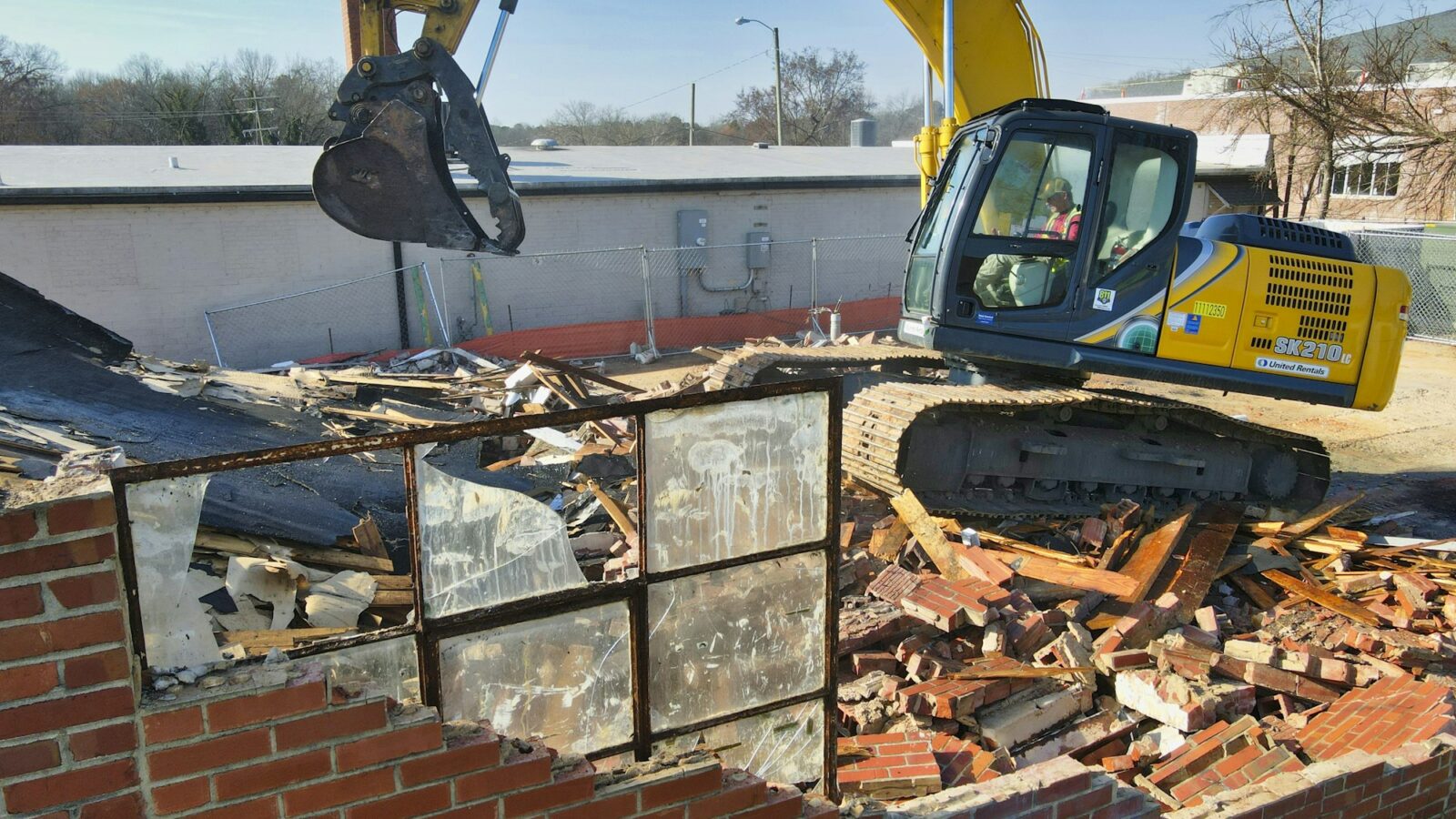
Most renovations begin with destruction. Before anything new goes in, the old has to come out — and in Singapore that hacking and demolition phase is the noisiest, dustiest and most tightly regulated part of the job. Here is what hacking involves, what you can and cannot do, and how to get the disruptive phase over with safely and within the rules.
General guidance only — confirm current HDB and BCA requirements before any hacking.
What hacking means in a renovation
“Hacking” is the local term for breaking out existing construction — old wall and floor tiles, screed, non-structural walls, built-in fittings and the like — to make way for the new renovation. It is the demolition stage, and it sets up everything that follows: you cannot lay new tiles or build a new layout until the old material is removed. The amount of hacking is one of the biggest drivers of both the cost and the disruption of a renovation.
What you can and cannot hack
The crucial limit is structural. In an HDB flat, reinforced-concrete structural walls, columns, beams and structural window sills cannot be hacked, full stop — they hold the building up. Non-structural finishes and approved non-structural walls can come out, with the right permit. In private property, structural changes are possible but require a structural engineer and approvals. The line between “finish” and “structure” is exactly the line you must not cross without professional advice, as set out in what you can and can’t hack.
Permits and registered contractors
Hacking is not a free-for-all. In HDB flats it must be done by a registered renovation contractor, with the necessary permit applied for before work begins. The permit system exists precisely because hacking is where the most damage can be done — to the structure and to neighbours. Using a registered contractor who knows what is allowed is the first protection against hacking something that should never be touched.
Timing: the noisy-work rules
Because hacking is the noisiest work of all, it is held to the strictest timing. Noisy demolition is generally confined to weekday daytime hours, not weekends or public holidays, and capped to a limited number of days early in the project, as covered in our guide to renovation hours and timing. The aim is to get the worst of the noise over quickly and considerately, so plan the hacking into those permitted windows rather than spreading it out.
Dust, debris and protecting the home
Hacking generates enormous dust and debris. A careful contractor seals off the work area, protects floors, lifts and common corridors, and manages dust so it does not spread through the block. This protection matters for your own home, for the neighbours, and for keeping on the right side of building management. Poor dust control is one of the fastest ways to generate complaints during a renovation, so it is worth confirming how your contractor will handle it.
Removing the debris
All that broken material has to go somewhere, and disposal is a real cost and logistical task. Debris must be removed properly and legally, not dumped, and in a high-rise it has to be carried down and carted away. This is part of what you are paying for in the hacking phase, and it is one reason the cost of hacking is more than just the labour of breaking things — getting the rubble out is half the job.
Hacking floors and waterproofing
Hacking a bathroom or kitchen floor exposes the slab and removes the old waterproofing — which means fresh waterproofing must go back before re-tiling. This is one of the most important sequences in a renovation, because failing to reinstate the waterproofing properly leads straight to inter-floor leaks later. Hacking and waterproofing are two halves of the same wet-area job, and skimping on the second undoes the first.
The cost of hacking
Hacking adds to a renovation in labour, disposal and time, and the more extensive it is, the more it costs. This is one reason working with an existing layout, rather than gutting everything, is cheaper — every wall removed and floor hacked adds up. When budgeting, treat hacking and disposal as a real line item, not an afterthought, as covered in our guide to renovation costs.
Safety first
Demolition is the most hazardous phase of a renovation — for the workers, for the structure and, if done wrong, for the building. The combination of the structural rules, the permit system and registered contractors all exists to keep it safe. The single most dangerous mistake an owner can make is letting someone hack a structural wall to “open up” a space without proper assessment. When in doubt about whether something is structural, stop and get advice before the hammer comes out.
Frequently asked questions
Can I hack any wall in my flat?
No. Structural reinforced-concrete walls, columns and beams cannot be hacked in an HDB flat. Only non-structural elements can be removed, with a permit and a registered contractor. Confirm what is structural before hacking.
When can hacking be done in an HDB flat?
Noisy hacking is generally limited to weekday daytime hours, not weekends or public holidays, and capped to a few days early in the project. Check HDB’s current permitted hours.
Hacking in a condo versus an HDB flat
The rules differ by property type. In an HDB flat, hacking goes through the HDB framework — registered contractor, permit, and the strict no-go list of structural elements. In a condominium, the management corporation (MCST) also has a say, with its own requirements for works that affect the structure or common property, on top of any structural engineering and authority approvals for structural changes. The principle is the same everywhere — structure is protected and the disruptive work is controlled — but who you answer to, and exactly how, depends on where you live.
Sequencing the hacking phase
Good projects front-load the hacking. Because noisy demolition is capped to a few early days and the dust affects everything, it makes sense to get all the breaking-out done in one concentrated, well-protected phase, then move on to the quieter building and finishing trades. Trying to hack in dribs and drabs across the project wastes the limited noisy-work days and prolongs the disruption. Your contractor should plan the demolition as a distinct early stage, with protection and disposal arranged around it.
Related reading
- BTO vs Resale Flat Renovation: What’s Different
- HDB Renovation Loans Explained
- The BCA Contractor Registry Explained
- Removing a Wall in a Condo: Approvals and the Structural…
See also what you can and can’t hack and renovation timing. More in Renovation.


