
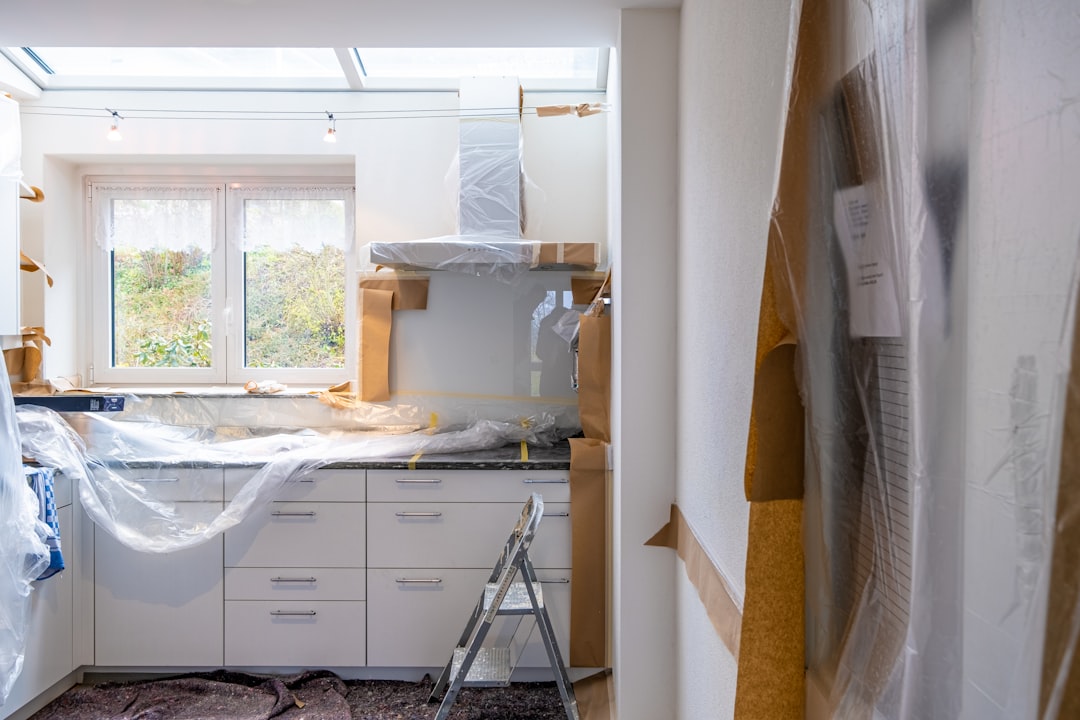
Condo renovation rules trip up many homeowners who assume a private property gives them a free hand. In practice, renovating a condominium or apartment in Singapore means working within the management corporation’s by-laws and securing MCST approval before you start. The rules exist to protect the building, the common property, and your neighbours — and ignoring them can mean stop-work orders, forfeited deposits, or being made to reinstate works.
This guide explains condo renovation rules and MCST approval clearly: what the MCST is and why its approval matters, the by-laws and limits you are likely to face, permitted hours and deposits, the structural and wet-area constraints, and how to keep the process smooth. It is written for condo owners planning a renovation, so the focus is on what you must do before and during the works.
What the MCST is and why approval matters
A condominium is managed by a Management Corporation Strata Title (MCST), run by a council of owners and usually a managing agent. The MCST is responsible for the common property and for enforcing the building’s by-laws. While you own your unit’s interior (the strata lot), much of the building — structure, facade, common pipes, and shared areas — is common property you cannot freely alter.
Before renovating, you almost always need to submit a renovation application to the MCST or managing agent and obtain written approval. This typically involves submitting your scope of works, contractor details, and sometimes drawings, and paying a renovation deposit. Starting work without approval is the most common and avoidable mistake; the MCST can halt the works and the dispute is unpleasant. Treat the approval as the first step of the project, not an afterthought, and build it into your planning alongside the order of works in the renovation sequence.
By-laws and common restrictions
Every condo has its own by-laws, so the specifics vary, but common restrictions recur across most developments:
- Permitted hours — renovation and noisy works are usually restricted to weekday working hours, with hacking and drilling further limited. Weekend and public-holiday works are often prohibited or restricted.
- Wet-area limits — many MCSTs restrict or prohibit hacking of original bathroom floors and relocating wet areas, because the waterproofing protects the unit below. This is one of the most enforced rules.
- Flooring — some by-laws require acoustic underlay beneath hard flooring to limit noise transmission to the unit below.
- Facade and external works — you cannot alter the external appearance, windows, grilles, or aircon ledge arrangements without approval, as the facade is common property.
- Use of common areas — rules on the service lift, debris removal, protection of common corridors, and where materials may be stored.
Read your building’s by-laws and renovation guidelines before designing the renovation, because they can directly constrain your plans — for instance, a layout that relies on moving a bathroom may simply not be permitted.
Structural limits and A&A works
As in any property, you cannot remove or alter structural elements — structural walls, columns, beams, and slabs — without proper professional involvement and approvals. In a condo, structural works affecting the building may require a Professional Engineer’s endorsement and the relevant authority submissions, in addition to MCST approval. This is the realm of Addition & Alteration (A&A) works, which we explain in our guide to A&A works in Singapore.
If your plans involve anything structural — even something that looks minor, like enlarging an opening or removing what you think is a partition — confirm whether the wall is load-bearing before touching it. Our guide to load-bearing walls explains why this matters. When structure is involved, a Professional Engineer must assess and, where required, endorse the works; this protects you, your neighbours, and the building, and it is not optional. This is precisely the kind of situation where senior, accountable engineering advice is worth seeking early through a structural engineering consultancy.
Deposits, contractors, and electrical work
Most MCSTs require a refundable renovation deposit, returned after the works are completed without damage to common property and after any debris is cleared. Damage to lifts, corridors, or common areas is deducted from this deposit, so protect common areas and brief your contractor accordingly.
Use a competent, insured contractor experienced with condo work, as they will know the typical MCST requirements and how to work within them. As with all properties, electrical wiring and circuit work must be carried out by a Licensed Electrical Worker. Keep documentation — approvals, contractor licences, and any PE endorsements — because the MCST may ask for them, and they protect you if a dispute arises.
Keeping the process smooth
The smoothest condo renovations share a pattern: the owner reads the by-laws early, applies for MCST approval before designing around constraints, chooses an experienced contractor, and communicates with neighbours about timing. Most friction comes from skipping approval, working outside permitted hours, or attempting restricted works like moving a bathroom.
Plan within the rules rather than against them, budget for the deposit and any acoustic or compliance requirements, and check your renovation quotation reflects the condo-specific needs. Done properly, the MCST process is simply a gatekeeping step, not an obstacle — and respecting it keeps your renovation, your neighbours, and your deposit intact.
Frequently asked questions
Do I need MCST approval to renovate my condo?
Yes, in almost all cases. You must submit a renovation application to the MCST or managing agent and obtain written approval before starting, usually with your scope of works, contractor details, and a refundable deposit. Starting work without approval can lead to a stop-work order.
Can I hack my condo bathroom floor?
Many MCSTs restrict or prohibit hacking original bathroom floors and relocating wet areas, because the existing waterproofing protects the unit below. This is one of the most enforced by-laws, so check your building’s rules before planning any layout that relies on moving a bathroom.
What are the permitted renovation hours in a condo?
Renovation and noisy works are usually restricted to weekday working hours, with hacking and drilling further limited, and weekend or public-holiday works often prohibited. The exact hours are set by each building’s by-laws, so confirm them with your MCST before scheduling works.
Do condo structural works need a Professional Engineer?
Yes. Removing or altering structural walls, columns, beams, or slabs requires proper professional involvement, and such Addition & Alteration works may need a Professional Engineer’s endorsement and authority submissions in addition to MCST approval. Confirm whether a wall is load-bearing before touching it.
Will I get my renovation deposit back?
The deposit is normally refunded after the works are completed without damage to common property and after debris is cleared. Damage to lifts, corridors, or common areas is deducted, so protect common areas and brief your contractor to work within the MCST’s requirements.
Related reading
- Choosing Bathroom Tiles in Singapore: A Guide
- Vinyl vs Laminate Flooring Compared for SG Homes
- Interior Designer vs Renovation Contractor
- A Renovation Checklist for Singapore Homes
Planning a condo renovation that touches structure or wet areas and need to know what is permitted? Talk to our consultancy or get in touch.


