
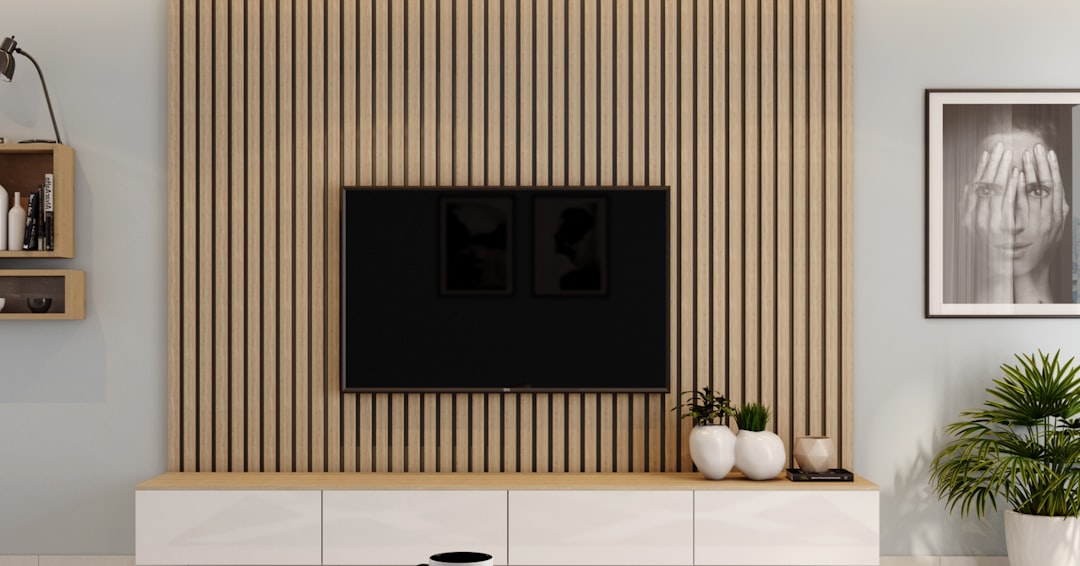
A feature wall is the quickest way to give a room a focal point and a sense of depth, which is why feature wall ideas dominate so many Singapore renovation mood boards. Done well, a single accent surface lifts an otherwise plain room and anchors the furniture around it. Done carelessly, it dates quickly or fights with everything else in the space. The difference lies almost entirely in restraint and placement.
This guide runs through the feature wall ideas worth considering for local homes — the materials, where to place a feature wall for best effect, how lighting transforms it, and the common mistakes to avoid. The aim is a wall that draws the eye gently and still looks good in five years.
Where to place a feature wall
A feature wall only works if it sits where the eye naturally lands. The best candidates are walls you face when you enter or sit — the wall behind the bed, the wall behind the television, the wall opposite the front door, or the wall a dining table backs onto. Placing the feature on a wall nobody looks at wastes the effort entirely.
Choose one wall per room, not several. The whole point of a feature wall is contrast against calmer surrounding surfaces; turn every wall into a feature and the effect cancels out. In open-plan flats, a single well-placed feature can anchor a zone within the larger space, helping to define the living or dining area without a physical partition. Coordinating it with the room’s wider interior design keeps it feeling intentional.
Material options and how they read
The material sets the character of the wall. Each has a different cost, durability and mood.
- Paint: The simplest and cheapest feature — a single accent colour or a deeper tone that recedes and adds depth. Easy to change later.
- Fluted or slatted timber panels: Vertical battens that add warmth, rhythm and subtle texture; very popular in calm, minimalist schemes.
- Large-format stone-look tiles or sintered panels: A seamless, luxurious surface with marble or stone veining, durable and wipeable.
- Textured plaster or microcement: A soft, hand-finished matt surface with organic depth that suits warm, understated interiors.
- Brick, stone cladding or 3D panels: Heavier texture for a more dramatic statement, best used sparingly.
For most homes, paint, fluted timber and large-format tiles give the best balance of impact and longevity. Heavily textured or novelty finishes make a strong first impression but tire faster and date more obviously.
Lighting brings a feature wall to life
Lighting is what separates a flat accent wall from one with genuine depth. Grazing a textured surface with light from above or below exaggerates its relief — fluted timber and plaster come alive when a strip light skims across them, throwing soft shadows that change through the day. A feature wall lit straight on, by contrast, looks flat regardless of its material.
Concealed cove or strip lighting integrated into the ceiling, a niche or a floating console is the usual way to achieve this. Picture lights or directional spots can highlight art on a painted feature wall. Because this lighting must be wired and concealed during construction, it has to be planned at the right point in the renovation sequence, before plastering and finishing, rather than added as an afterthought.
Feature walls in different rooms
The right treatment varies by room. In the living room, the wall behind the television is the natural feature, integrating the screen, console and concealed cabling into one composition — fluted timber or large-format stone tiles work well here. In the bedroom, the wall behind the bed headboard is the obvious choice, where an upholstered panel, soft paint colour or warm timber creates a restful backdrop.
In the dining area, a textured or coloured wall behind the table frames the space and photographs beautifully. Entrances benefit from a feature that sets the tone the moment you walk in. Wherever you place it, the feature should relate to the function — a calm, soft surface where you rest, a more durable, wipeable one where life is busy.
Common mistakes to avoid
The most frequent feature wall mistakes are easy to sidestep once you know them. Over-decorating is the biggest — choosing a loud pattern or heavy texture that overwhelms the room and grows tiresome. A feature wall should complement the space, not shout over it. Chasing trends too literally is another; a finish that is everywhere this year can look dated within a few, so favour materials with longevity over of-the-moment gimmicks.
Poor placement wastes the wall, and skipping the lighting leaves even a good material looking flat. Finally, watch the practicalities: a feature that involves heavy cladding needs adequate fixing and wall support, and any wall you intend to drill into or hang weight on should be checked. If the feature involves significant load or alterations to a wall, it is worth confirming with our consultancy what the wall can carry, particularly where partitions are hollow or a wall is structural.
Keeping it timeless
The most enduring feature walls share a restraint that lets them age gracefully. Neutral or muted materials, a single well-chosen surface, good proportions and considered lighting will look as composed in a decade as on handover day. If you crave bolder colour or pattern, paint is the forgiving choice because it can be redone cheaply when tastes move on, whereas committing to an expensive, heavily textured cladding locks you in. Treat the feature wall as the calm anchor of the room rather than its loudest element, and it will earn its place for years.
Frequently asked questions
Where should a feature wall go in a room?
A feature wall works best on the surface the eye naturally lands on, such as the wall behind the bed, the wall behind the television or the wall facing the entrance, and you should choose only one wall per room so it contrasts with the calmer surrounding surfaces.
What is the best material for a feature wall?
Paint, fluted timber panels and large-format stone-look tiles offer the best balance of impact, durability and longevity for most homes, whereas heavily textured or novelty finishes make a strong first impression but tend to date faster.
Why does my feature wall look flat?
A feature wall usually looks flat because it lacks grazing light; lighting a textured surface from above or below exaggerates its relief and brings out shadows, so concealed cove or strip lighting planned during construction is what gives the wall depth.
Can a feature wall make a small room feel smaller?
A poorly chosen feature wall with a loud pattern or heavy texture can crowd a small room, but a restrained accent colour or subtle texture on a single well-placed wall often adds depth and makes the space feel more considered rather than smaller.
Do I need to check the wall before adding cladding?
Yes, heavy cladding or 3D panels need adequate fixing and support, and any wall you plan to load should be checked, particularly partition walls that may be hollow or walls that could be structural, so it is wise to confirm what the wall can carry before committing.
Related reading
- Accent Wall Ideas for the Home: A Practical Guide
- Cove Lighting and L-Box Ceilings Explained
- Built-In Carpentry vs Loose Furniture: A Guide
- Kitchen Island Design Ideas for Singapore Homes
Planning a feature wall with heavy cladding or wall alterations? Talk to our consultancy or get in touch first.


