
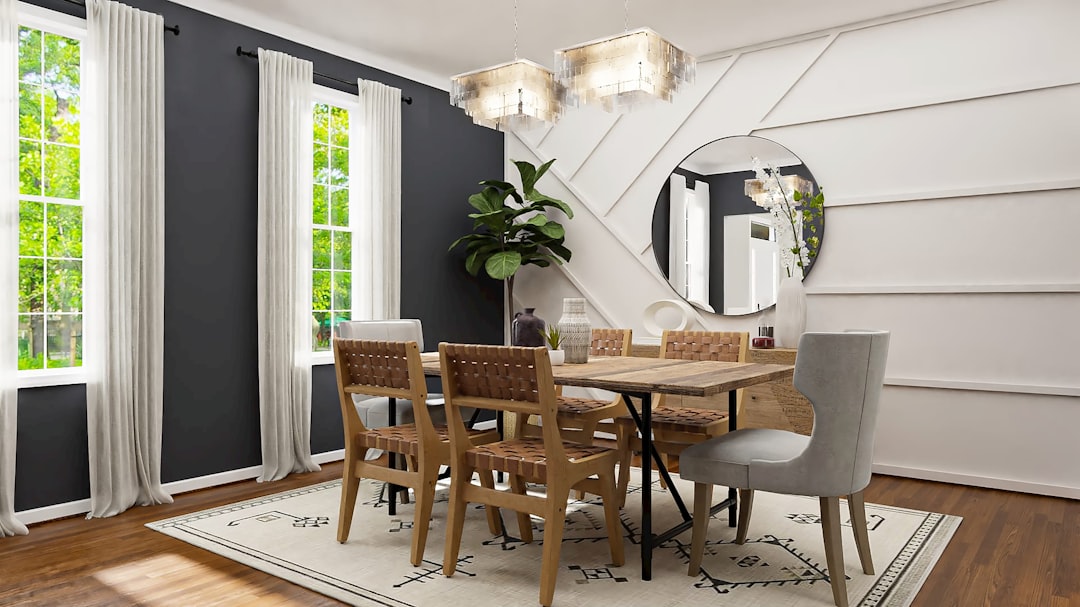
An accent wall is the most cost-effective way to give a room personality. By treating a single wall differently from the rest — a bolder colour, a panelled finish or a textured surface — you create a focal point and a sense of depth without redecorating the whole space. For Singapore homeowners weighing where to spend their renovation budget, a well-judged accent wall delivers a lot of visual return for relatively little outlay.
This guide covers the accent wall ideas that work in real homes — colour, panelling, texture and material — along with how to choose the right wall and the mistakes that turn an accent into an eyesore. The thread running through all of it is restraint: an accent wall should enhance a room, not dominate it.
Choosing the right wall
An accent wall only succeeds if it sits where attention naturally falls. The strongest candidates are the wall behind the bed, the wall behind the sofa or television, the wall you face on entering, and the wall a dining table backs onto. An accent on a wall nobody looks at is wasted effort and budget.
Stick to one accent wall per room. The contrast against the plainer surrounding walls is precisely what gives the accent its impact; treat several walls and the effect dissolves. It also helps to pick a wall without too many doors, windows or awkward interruptions, since an accent reads best on a clean, uninterrupted surface. Coordinating the choice with the room’s overall interior design keeps it looking deliberate rather than random.
Accent walls through colour
Paint is the simplest, cheapest and most forgiving accent. A deeper or warmer tone on one wall adds depth and frames the furniture in front of it. Darker colours make a wall recede and can make a room feel more intimate and cocooning, which works beautifully behind a bed. Earthy, muted tones — terracotta, sage, deep clay, soft charcoal — have proven more enduring than loud, saturated colours that quickly feel dated.
The great advantage of a painted accent is reversibility: if you tire of it or your taste shifts, repainting is cheap and quick, unlike a committed cladding. For homeowners who want to experiment with colour, the painted accent wall is the low-risk way to do it. Test the colour on the actual wall and view it at different times of day, as Singapore’s bright light and warm interior lighting both change how a colour reads.
Panelling and timber accents
For more texture and architectural interest, panelling has become hugely popular. The options range from classic to contemporary:
- Fluted or slatted timber: Vertical battens that add warmth, rhythm and subtle shadow play — the defining contemporary accent in many Singapore homes.
- Wainscoting or moulded panels: A more traditional, framed look that suits classic and transitional interiors.
- Grooved or channel panels: Linear recesses that add quiet geometry without much depth.
Panelling adds a tactile, three-dimensional quality that paint cannot, and fluted timber in particular brings a natural warmth that softens minimalist schemes. It costs more than paint and is harder to undo, so it suits homeowners confident in the look for the long term.
Texture and material accents
Beyond paint and panelling, an accent wall can be a different material altogether. Textured plaster or microcement gives a soft, hand-finished matt surface with organic depth. Large-format stone-look tiles or sintered panels create a luxurious, seamless feature that is also durable and wipeable. Brick or stone cladding makes a bolder, more rustic statement, best used sparingly so it does not overwhelm.
Lighting is what makes a textured accent sing. Skimming light across fluted timber, plaster or stone exaggerates the relief and throws soft shadows that shift through the day, whereas the same surface lit flat looks ordinary. Because this lighting must be concealed and wired during construction, it needs planning at the right point in the renovation sequence, before finishes go on.
Accent walls room by room
The best treatment depends on the room. In the bedroom, the wall behind the headboard is the natural accent — a soft dark colour, an upholstered panel or warm timber creates a restful, enveloping backdrop. In the living room, the television wall doubles as the accent, integrating the screen, console and concealed cables into one composition. In the dining area, a coloured or textured wall behind the table frames meals and photographs well.
A child’s room or study can carry a more playful or energising accent, since these spaces benefit from a little stimulation. Match the intensity of the accent to the function: calm and soft where you rest, more characterful where you gather or work. The accent should always feel chosen for the room rather than imposed on it.
Mistakes to avoid
The classic accent wall errors are easy to prevent. Choosing a colour or pattern that is too loud overwhelms the room and grows tiresome fast. Treating more than one wall dilutes the effect. Picking a wall full of doors and windows leaves the accent fragmented and weak. Chasing a hyper-trendy finish locks you into something that will look dated within a few years — favour materials and tones with staying power.
Finally, mind the practicalities. Heavy cladding or panelling needs proper fixing and adequate wall support, and any wall you intend to load or alter should be assessed beforehand. If your accent involves significant weight or changes to a wall, it is worth confirming with our consultancy what the wall can carry, especially where partitions are hollow or a wall might be structural. A little planning keeps a handsome accent from becoming a hazard or a regret.
Frequently asked questions
What is the difference between an accent wall and a feature wall?
The terms are used almost interchangeably, both describing a single wall treated differently to create a focal point; if any distinction is drawn, a feature wall sometimes implies a more substantial built treatment while an accent wall can be as simple as one wall painted a different colour.
Which wall should be the accent wall?
The accent should go on the wall where attention naturally falls, such as the wall behind the bed, sofa or television, or the wall facing the entrance, and ideally a wall without too many doors or windows so the surface reads as a clean, uninterrupted feature.
Is a painted accent wall better than panelling?
A painted accent is cheaper, quicker and easy to change, making it ideal for experimenting with colour, whereas panelling adds tactile, three-dimensional texture that paint cannot but costs more and is harder to undo, so the right choice depends on budget and commitment to the look.
Will a dark accent wall make a room feel smaller?
A dark accent wall makes that wall recede and can make a room feel more intimate and cocooning rather than simply smaller, which works well behind a bed; the effect depends on placement and lighting, and a single dark wall against lighter ones often adds depth.
Do I need to check a wall before adding heavy cladding?
Yes, heavy cladding or panelling requires proper fixing and adequate support, so any wall you plan to load should be assessed first, particularly partition walls that may be hollow or walls that could be structural, before committing to the material.
Related reading
- Wallpaper vs Paint: Which to Choose for Your Home
- Downlights vs Cove Lighting: Which to Use Where
- Home Lighting Design in Singapore: A Practical Guide
- Bathroom Vanity Design Ideas for Singapore Homes
Planning an accent wall with heavy material or wall changes? Talk to our consultancy or get in touch.


