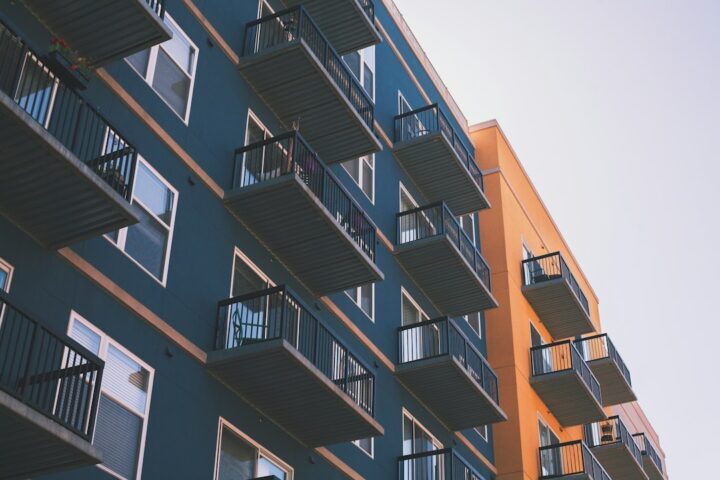
An energy efficient home is not defined by a single product. It is the result of a sequence of decisions, starting with how the building faces the sun and wind and ending with the appliances plugged into it. In the tropics, where the main energy demand is for cooling and dehumidification, the most powerful measures are those that stop heat getting in, long before any equipment has to remove it.
This article sets out that sequence for homes in Singapore, whether a new landed house, a major renovation or a modest upgrade to an apartment. It moves from passive design through the building envelope to efficient systems and on-site generation, explaining what each step contributes and where the structural and regulatory considerations lie.
Start with passive design
Passive design uses the building’s form, orientation and layout to keep it comfortable with less mechanical help. In Singapore the principles are well established:
- Orientation — long façades facing north and south receive less direct sun than those facing east and west, which take low-angle morning and afternoon sun that is hard to shade.
- Shading — deep eaves, overhangs, balconies, fins and screens keep sun off walls and windows. External shading is much more effective than internal blinds.
- Ventilation — openings on opposite sides of rooms allow cross ventilation, and high-level openings let warm air escape. Our guide to natural ventilation explains the mechanisms.
- Daylight — well-placed windows and light shelves reduce the need for artificial lighting without admitting excessive heat.
- Planting — trees and greenery shade walls and outdoor spaces and cool the air around the house.
For a new house, these decisions cost little if made early and a great deal to retrofit later. For an existing home, adding shading and improving ventilation paths are often the most effective first steps.
The building envelope: roof, walls and glazing
The envelope is the barrier between the conditioned interior and the hot exterior. Improving it reduces cooling demand every hour of every day.
Roof
The roof receives the most intense solar radiation, especially near the equator where the sun is high overhead. Top-floor apartments and landed homes gain substantial heat through it. Reflective finishes reduce the heat absorbed, while insulation slows its passage into the rooms below. A ventilated roof space or a cool roof coating can make a noticeable difference to upper-floor comfort; see our guide to the cool roof.
Walls
Masonry and concrete walls absorb heat during the day and release it at night. Shading them and using lighter external colours reduces the heat they absorb. On west-facing walls in particular, shading or a ventilated cladding layer helps.
Glazing
Windows are usually the weakest point thermally. Glass with a low solar heat gain coefficient admits less solar energy while still letting in daylight. Window size, orientation and shading matter as much as the glass type. Well-sealed frames also prevent conditioned air from escaping.
Airtightness
Gaps around doors, windows and service penetrations let humid outside air into air-conditioned rooms, increasing the load on the air-conditioner, which must remove both heat and moisture. Sealing these gaps is an inexpensive improvement.
Efficient systems for an energy efficient home
Once demand has been reduced, efficient equipment meets what remains at lower energy cost.
- Air-conditioning — inverter units with high efficiency ratings, correctly sized for each room, with condensers in shaded, ventilated positions.
- Ceiling fans — allow higher air-conditioner set points, or replace air-conditioning in milder conditions. DC motor fans are especially efficient.
- Water heating — heat pump or solar water heaters use far less electricity than conventional resistive heaters.
- Lighting — LED throughout, with daylight used wherever practical.
- Appliances — chosen with reference to NEA’s energy label, as explained in our guide to energy efficient appliances.
- Controls — timers, sensors and simple smart controls can avoid cooling or lighting empty rooms.
Efficient equipment performs best in a home that does not overload it. A high-efficiency air-conditioner in a room with unshaded west glazing still uses more energy than a modest unit in a shaded, well-sealed room.
Generating energy on site
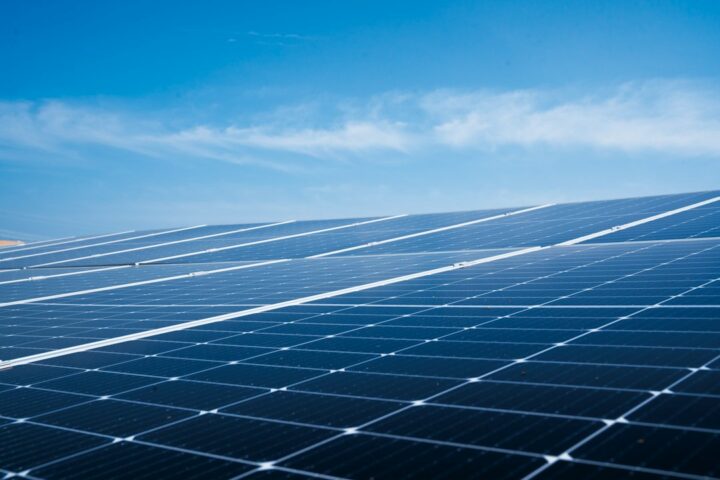
For landed homes, rooftop solar can offset a meaningful share of electricity use. Daytime generation aligns with daytime loads such as air-conditioning in occupied rooms, laundry, water heating and, increasingly, EV charging. Systems must be installed through a Licensed Electrical Worker and connected via SP Group, and the roof must be checked for load and wind uplift. Our guide to rooftop solar panels explains the structural and approval questions.
Battery storage can shift surplus solar into the evening, but it is a later step. Reducing demand first means a smaller solar system and a smaller battery can achieve the same outcome.
Renovating for efficiency
Most homes in Singapore are existing buildings, and many improvements happen during renovation. Planning efficiency into a renovation avoids doing work twice. Useful opportunities include replacing windows with better-performing glazing, adding external shading where rules allow, insulating roofs during reroofing, rearranging layouts to improve cross ventilation, and upgrading wiring when adding efficient but heavy loads such as induction cooking or EV charging.
The rules differ by property type. HDB flats are subject to HDB renovation guidelines, condominiums to MCST by-laws and approvals, and landed homes to URA planning controls and BCA requirements for structural works. Removing walls to improve airflow, adding external shading structures or placing heavy equipment on a roof may need a structural assessment and, where structural elements are affected, Professional Engineer involvement.
From efficient to net-zero
An energy efficient home is a foundation for more ambitious goals. When demand is low enough, on-site generation can approach or match annual consumption, the principle behind net-zero design discussed in our guide to the net-zero building. For most households the practical aim is simpler: a cooler, more comfortable home that uses noticeably less electricity, achieved through sound design rather than gadgets.
Frequently asked questions
What makes a home energy efficient in Singapore?
Keeping heat out is the most important factor: good orientation, external shading, natural ventilation, an insulated and reflective roof, and glazing that limits solar heat gain. Efficient air-conditioning, lighting and appliances then meet the remaining demand, and rooftop solar can offset part of it on landed homes.
What is the most effective upgrade for an existing home?
It depends on the home, but reducing heat gain usually comes first. Shading west- and east-facing windows, improving roof insulation on top-floor or landed homes, and sealing air leaks often deliver more than replacing appliances alone. Efficient air-conditioning is the next priority.
Do I need approval to add external shading or insulation?
It depends on the property and the work. HDB flats follow HDB renovation guidelines, condominiums need MCST approval for changes to the façade, and landed homes may require URA or BCA approvals for external structures. Check with the relevant authority before starting.
Is solar worth it for an energy efficient home?
For landed homes with suitable roofs, solar can offset a significant share of electricity use, and it works best when demand has already been reduced. The roof must be structurally adequate, and the installation must go through a Licensed Electrical Worker and SP Group.
Does an energy efficient home cost more to build?
Many passive measures, such as orientation, layout and ventilation, cost little if planned early. Others, such as better glazing, insulation and efficient equipment, add cost but reduce running costs over the building’s life. The key is to make these decisions at design stage rather than retrofitting.
Related reading
- EV Charger Condo and Landed Home Rules in Singapore
- Recycled Solar Panels: What Happens at End of Life
- Commercial PV Panels for Buildings: A Singapore Guide
- Hybrid Solar System: How Solar, Battery and Grid Work
Designing or renovating a home and want the structure and envelope considered together? Talk to our consultancy or get in touch.