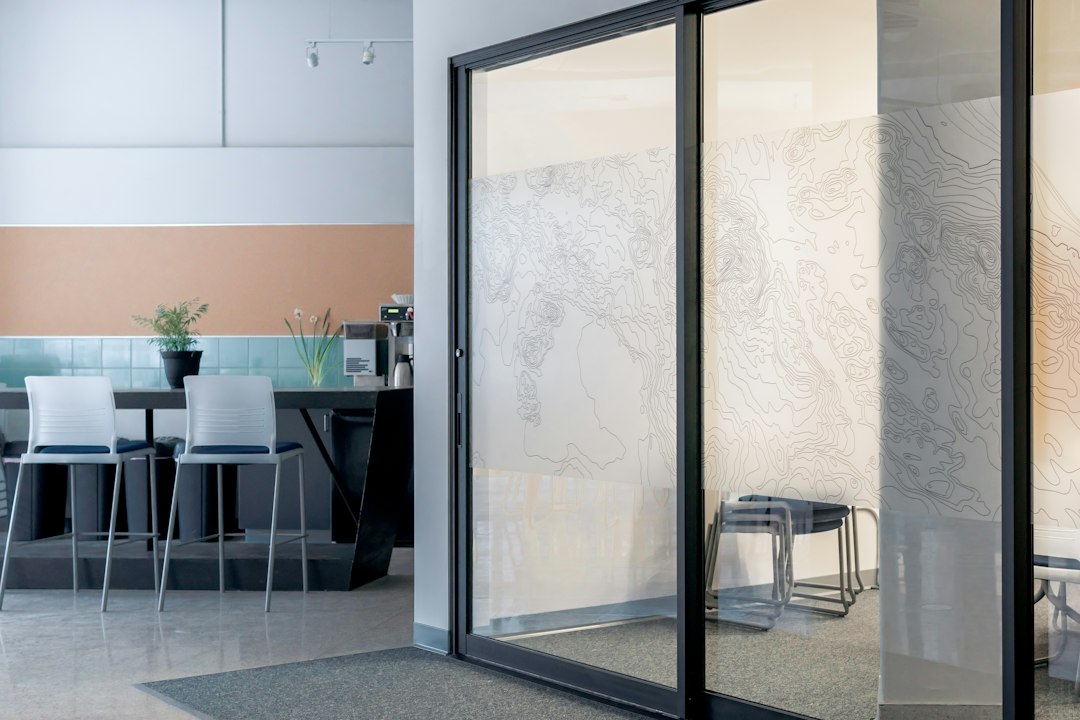
A sliding window has one or more panels that move horizontally along tracks, overlapping a fixed or another sliding panel when open. It is one of the most common window types in Singapore homes, found in HDB flats, condominiums and landed houses alike. Sliding windows are simple, space-saving and easy to operate, but they have specific weaknesses, and BCA has highlighted that sliding window panels without proper safety devices can detach and fall.
This guide explains how sliding windows work, where they suit and where they do not, the safety features every sliding window should have, how they deal with tropical rain, and what owners must do to maintain them. It is practical guidance rather than a product comparison, so it names no brands or prices.
How a sliding window works
A typical residential sliding window has an outer frame fixed into the wall opening, with parallel tracks at the top and bottom. Sliding panels, or sashes, sit in these tracks on rollers at the bottom and are guided at the top. When closed, the panels overlap at an interlock, and a latch or lock holds them shut. Some configurations have one sliding and one fixed panel; others have two or more sliding panels.
Aluminium is the dominant frame material in Singapore because it is light, strong, corrosion-resistant when properly finished, and suited to slim sections. Our guide to aluminium windows in Singapore covers frame finishes and section choices.
The key feature, and the key weakness, is that sliding panels are held in place by the geometry of the tracks. Unlike a casement window hinged to its frame, a sliding panel can, in principle, be lifted out of its track. That is useful for installation and cleaning, but it is why safety devices are essential.
Sliding window safety: stoppers and angle strips
BCA’s investigations into falling windows found that most fallen sliding windows lacked proper safety stoppers and angle strips to keep the panels within their tracks. Panels detached and fell when occupants applied additional outward force while opening or closing them. A falling window from a high-rise block is a serious hazard to people below.
Two devices prevent this:
- Safety stoppers fixed at the top of the outer frame, which stop a panel from being lifted high enough to jump out of the bottom track.
- Angle strips, typically aluminium, fixed at the bottom, which keep the panel from sliding outward off the track.
HDB’s guidance on replacement safety devices describes stoppers at the top of the outer frame, at least one for each sliding panel width, and an aluminium angle strip at the bottom, fixed with stainless steel rivets of at least 4 mm diameter in grade 304 or equivalent, and advises engaging a BCA-approved window contractor to replace or add them. BCA’s window safety material also notes that homeowners and tenants may face a fine of up to $10,000 and/or imprisonment of up to one year if a window falls from their unit.
Advantages and limitations of a sliding window
Sliding windows have clear strengths. They do not project into the room or outside the facade, which suits narrow corridors, spaces with furniture in front of the window, and facades where outward-opening sashes would be a hazard. They are easy to operate, and large panes give generous views.
Their limitations are equally clear. Only part of the opening can be open at once, because the panels overlap, so ventilation is lower than with a fully opening casement of the same size. The interlocks and tracks are potential paths for air and water, and the rollers and tracks need regular cleaning to keep working smoothly. Our guide to the casement window sets out the main alternative, with its own safety considerations for hinges and rivets.
The choice often comes down to context. In a high-rise flat with strong wind exposure, a well-designed sliding window can be a sensible and safe choice; in a room where maximum cross-ventilation matters, a casement or louvred design may perform better.
Rain, wind and track design
Singapore’s heavy, wind-driven rain tests every window, and sliding designs depend on good track design to manage it. Bottom tracks should have weep holes or drainage slots that let water escape to the outside, with a raised inner upstand that stops water being driven into the room. Interlocks and brush or rubber seals reduce air and water infiltration between panels.
Weep holes block easily with dust, insects and debris. When they do, water collects in the track and can overflow onto the sill and wall below, sometimes causing staining or dampness that is mistaken for a leak elsewhere. Keeping them clear is one of the simplest maintenance tasks with the biggest pay-off.
The junction between the window frame and the wall is equally important. Sealant around the outer frame deteriorates with sun and age, and gaps there let water into the wall. If walls below windows show damp patches after rain, the frame perimeter is a prime suspect.
Replacing sliding windows
Window replacement in HDB flats and many condominiums is regulated. In HDB flats, works on windows must be carried out by contractors approved for the purpose, and our guide to HDB window replacement explains the process. In condominiums, the management corporation commonly controls window design, colour and frame profile to keep the facade consistent.
When replacing, check that the new windows include proper safety stoppers and angle strips, that the frame is fixed securely to the wall with appropriate anchors, and that the perimeter is properly sealed. Ask for drainage details at the bottom track. If the opening itself shows cracks or signs of movement, investigate before fitting new frames, since a window installed into a moving opening will not stay sealed.
Enlarging a window opening is a different matter from replacing a window. Cutting into a wall can affect its structural role and, in strata buildings, the facade. Seek advice from a structural engineer and the relevant authority before altering openings.
Six-monthly checks and maintenance
BCA advises homeowners and occupants to check and maintain their windows at least once every six months. For windows, that means confirming that safety stoppers and angle strips are in place and secure, cleaning the tracks so the panels slide smoothly, and engaging an approved window contractor to replace stoppers and angle strips that are worn or missing.
Beyond safety devices, check that locks engage fully, rollers run freely, weep holes are clear and perimeter seals are intact. Do not force a stiff panel; find out why it is stiff, since forcing is exactly what has caused panels to detach.
Frequently asked questions
Why do sliding windows fall?
BCA found that most fallen windows lacked proper safety stoppers and angle strips to keep the panels in their tracks. Without them, panels can detach when extra outward force is applied while opening or closing the window.
How often should I check my sliding windows?
BCA advises checking and maintaining windows at least once every six months, including confirming that safety stoppers and angle strips are in place and cleaning the tracks.
Who should replace safety stoppers on a sliding window?
HDB and BCA guidance is to engage a BCA-approved window contractor to replace or add safety stoppers and angle strips, using suitable stainless steel rivets.
Are sliding windows better than casement windows?
Neither is universally better. Sliding windows save space and do not project, but open only partly and depend on safety devices to stay in their tracks. Casement windows open fully for ventilation but have their own hinge and rivet maintenance needs.
Why does water collect in my sliding window track?
Usually because the weep holes or drainage slots are blocked with dust or debris. Clear them regularly so water can drain to the outside instead of overflowing onto the sill.
Related reading
- Condo Function Room: Design, Rules and Upgrading Works
- 2 Room Flexi Renovation: Planning a Small, Senior-Ready Home
- HDB Toilet Renovation: Rules, Waterproofing and Planning
- Digital Gate Lock Guide: Types, Weatherproofing and Safety
Seeing cracks or damp around window openings, or planning to enlarge one? Talk to our consultancy or get in touch.