As a building or renovation nears completion, there is always a list of things that are not quite right: a door that sticks, a chipped tile, a missing sealant joint, a socket that does not work. Recording these items systematically and getting them fixed is the purpose of the punch list, known in Singapore and the UK more often as a snag list or defects list. Done well, it turns a vague sense of dissatisfaction into a clear set of tasks with owners and deadlines.
This guide explains what a punch list covers, when snagging happens, how to inspect properly, how items should be recorded and closed out, and how the process connects to practical completion and the defects liability period. It applies equally to new buildings, A&A works and home renovations, with the formality scaled to suit.
What a punch list is
A punch list is a document listing work items that are incomplete, defective or not in accordance with the contract, identified during inspection near the end of construction. Each item records what is wrong, where it is, and who must rectify it. The term comes from North American practice; “snagging” describes the same process.
The punch list is not a design review or a wish list. It concerns work that does not meet the drawings, specification or accepted standards of workmanship. Requests for changes to the design belong in the variation process, not the snag list, and mixing the two causes arguments about who pays.
When snagging happens in the project timeline
Snagging usually takes place in stages:
- Contractor’s own inspection before it declares the works ready, which a good contractor treats seriously rather than leaving it to the client.
- Pre-handover inspection by the owner’s consultants or the owner, leading to the main punch list.
- Re-inspection to verify that items have been closed.
- End of defects liability period inspection, recording defects that have appeared in use.
The link with practical completion is important. Most contracts allow practical completion to be certified even with minor outstanding items, provided the building can be used for its intended purpose. Those items are then listed and must be cleared within an agreed time or during the defects liability period. Major defects that affect use or safety usually prevent completion from being certified.
What to look for during a punch list inspection
A systematic inspection works room by room and element by element. The common categories are:
Finishes
Paint coverage, drips and patchiness; tile lippage, cracked or hollow tiles, uneven grout lines; scratches and chips on floors, worktops and doors; gaps at skirting and cornices.
Doors, windows and fittings
Doors that bind, swing open or do not latch; windows that do not close fully or seal properly; ironmongery that is loose or misaligned; cabinet doors and drawers that are not level.
Wet areas and waterproofing
Falls to floor traps so that water does not pond, sealant at junctions, and signs of leakage below. Water ponding tests on bathroom floors before handover are useful where the contract allows, because concealed waterproofing is expensive to correct later.
Services
Every light, socket, switch, tap, flush and air-conditioning unit tested in operation; distribution board labelling; access to valves and isolators.
Structure and building fabric
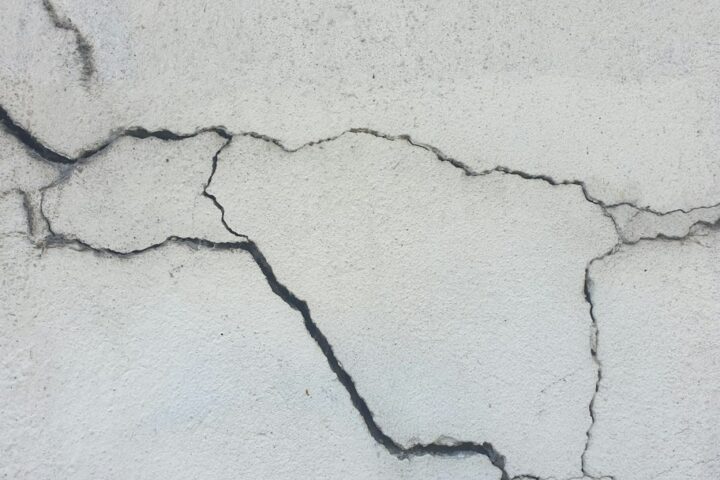
From an engineering standpoint, look for cracks in walls, beams and slabs, signs of honeycombing or exposed reinforcement, and dampness. Most hairline cracks in plaster are cosmetic, but some patterns indicate movement or structural issues; our guide to types of concrete cracks explains how to tell the difference, and a structural engineer should assess anything wider, recurring or diagonal.
How to record punch list items properly
A well-run punch list has a consistent format. For each item, record:
- A unique reference number.
- Location: level, unit, room and wall or element.
- A short, specific description (“hollow-sounding floor tile, third from door, kitchen”) rather than a general one (“tiles poor”).
- A dated photograph.
- The trade or party responsible.
- A target date and a status: open, rectified, verified closed.
On larger projects, snagging is often done with tablet-based apps that attach photographs and locations to a drawing, which makes it easy to issue lists to subcontractors and track closure. On a home renovation, a shared spreadsheet with photographs is perfectly adequate. What matters is that both parties agree the list and its status in writing.
Closing out the punch list
The contractor rectifies items and notifies the inspector, who verifies each one before it is closed. Avoid signing off a whole list on a walk-through when only some items were checked. Rectification itself can cause new snags, such as a repaired wall that needs repainting, so re-inspection is worth the time.
Money is the usual lever for closure. Contracts commonly hold a retention sum until defects are made good, and a renovation payment schedule should keep a final instalment back until handover items are cleared. Paying in full before the list is closed removes most of the contractor’s incentive to return.
In Singapore, BCA’s Construction Quality Assessment System (CONQUAS) provides a standardised way of assessing workmanship on larger projects, and many developers use its criteria as a reference for acceptable finishes. Developers sometimes refer to it when defining acceptable workmanship in their contracts.
Snagging a home renovation
For homeowners, the same principles apply at a smaller scale. Inspect in daylight with the power on, bring a torch and masking tape to mark defects, test every fitting and run water in every wet area. Do it before the final payment and before moving furniture in, because furniture hides defects and complicates rectification. Our renovation defects checklist provides a room-by-room list you can work through.
Frequently asked questions
What is the difference between a punch list and a snag list?
They describe the same thing. “Punch list” is the term common in North America, while “snag list” or “snagging” is more usual in Singapore, the UK and other Commonwealth countries. Both refer to a list of incomplete or defective work identified near completion that the contractor must rectify.
Can practical completion be certified with items still on the punch list?
Under most contracts, yes, provided the outstanding items are minor and do not prevent the building being used for its intended purpose. Those items are then listed and must be rectified within an agreed period or during the defects liability period. Significant defects normally prevent completion being certified.
Who prepares the punch list?
The contractor should carry out its own inspection first, but the formal list is usually prepared by the owner’s architect, engineer or project manager, or by the owner on smaller jobs. Some owners engage an independent inspector for a more objective assessment of workmanship.
What happens to defects found after handover?
Defects that appear after handover are normally dealt with under the defects liability period, during which the contractor must return to rectify defects arising from its work. A final inspection is usually carried out near the end of that period before the remaining retention is released.
Related reading
- Cost Overrun in Construction: Causes and How to Control
- PSSCOC: Singapore’s Public Sector Construction Contract
- Construction Schedule Basics: Gantt Charts and Programmes
- Variation Order in Construction: How Changes Are Priced
Found cracks or structural concerns during a handover inspection? Talk to our consultancy or get in touch for an independent assessment.