Handover is not the end of a contractor’s obligations. Most building contracts and many property purchase agreements include a defects liability period: a fixed window after completion during which the contractor or developer must return to put right defects that appear. Understanding how it works, and what it does and does not do, helps owners use it properly and helps contractors close out projects cleanly.
This article explains the purpose of the period, what typically counts as a defect, how notification and rectification work, the link with retention money, and the position once the period expires. It is a general explanation, not legal advice; your rights depend on your contract and should be checked with a lawyer where significant sums are involved.
What the defects liability period is for
Some defects are only revealed by use and time. A roof may be watertight on the day of handover and leak in the first monsoon. Concrete shrinkage cracks may appear months after casting. Doors bind as finishes settle and services show faults only under real loads. The defects liability period, sometimes called the maintenance period or rectification period depending on the form, gives a structured mechanism for dealing with these issues.
The period benefits both parties. The owner gets the original contractor back to fix problems, usually at no cost. The contractor gets the opportunity to rectify its own work, which is almost always cheaper than paying damages for another contractor to do it. Many legal systems, including Singapore’s, treat that opportunity as valuable, and owners who deny the contractor access may find their recovery for the defect reduced.
How long it lasts and when it starts
The length of the defects liability period is set by the contract. Twelve months is common for building works, while some contracts specify longer periods for particular elements such as roofing, waterproofing or specialist systems, often supported by separate warranties. The period normally begins on the date of practical completion or the equivalent completion certificate under the contract, not on the date the owner moves in.
For buyers of new private homes in Singapore, the standard-form sale and purchase agreement prescribed under the housing developers’ rules provides a defects liability period of twelve months, generally running from the date the purchaser receives notice of vacant possession. Within that period, the developer must make good defects that are notified to it, within the timeframe set out in the agreement.
What counts as a defect
A defect is broadly any part of the work that does not conform to the contract: workmanship below the specified standard, wrong materials, failure to meet the drawings or specification, or performance below what the contract requires. Common examples include:
- Water seepage through roofs, external walls, wet areas or windows.
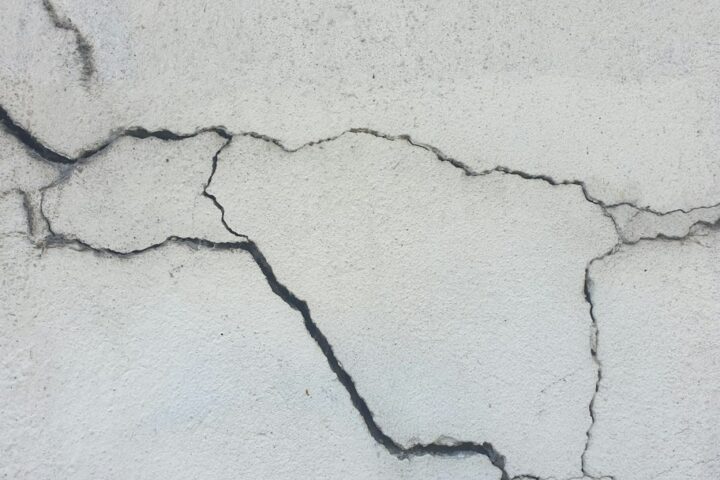
- Cracking in plaster, screed, tiles or concrete beyond what is normal for the material.
- Hollow or debonded tiles, uneven floors and poorly aligned finishes.
- Faulty electrical, plumbing or mechanical installations.
- Doors, windows and fittings that do not operate correctly.
Not all cracks are defects. Some hairline shrinkage cracking is expected in concrete and plaster. Whether a crack is cosmetic, a workmanship issue or a sign of structural distress depends on its pattern, width and behaviour over time, which our guide to types of concrete cracks explains. Damage caused by the owner’s own misuse, alteration or normal wear and tear is also not the contractor’s responsibility.
Notifying and rectifying defects
The usual procedure has three steps. The owner or contract administrator notifies the contractor of defects in writing, often in a schedule compiled from inspections. The contractor carries out the rectification within a reasonable time or the period specified. At the end of the period, a final schedule of outstanding defects is prepared, and once those are made good the contract administrator issues a certificate confirming completion of defects rectification, sometimes called a maintenance or final completion certificate.
Good practice for owners is simple. Inspect carefully and early, ideally with a structured checklist such as our defects check guide. Record defects with dated photographs and precise locations. Notify in writing and keep copies. Allow reasonable access for repairs. If the contractor fails to rectify after proper notice, most contracts allow the employer to engage others and recover the cost, but the procedural steps in the contract should be followed closely.
Retention and the end of the period
Many contracts allow the employer to hold back a percentage of each payment as retention. Commonly, part of the retention is released at practical completion and the balance at the end of the period, once outstanding defects have been made good. Retention gives the contractor a financial reason to return, and gives the employer a fund to draw on if it does not. The detailed rules sit in the contract and, for payment disputes, the Security of Payment Act framework; our companion article on retention sums covers them in more depth.
The end of the period does not necessarily end the contractor’s liability. Singapore’s Court of Appeal considered this in the Sandy Island case in 2020, concerning the standard defects clause in a condominium sale and purchase agreement. It held that the clause gave the buyer an additional remedy and did not exclude the ordinary right to claim damages for breach, because that right can only be displaced by clear wording. It also held that refusing the developer access to rectify did not extinguish the claim, but could reduce the damages recoverable under the duty to mitigate. Claims remain subject to the statutory limitation periods, which run for defined periods from breach or, in some cases, from discovery of damage. The interaction is technical and fact-dependent, so legal advice is essential before relying on it.
Latent defects and structural issues
Some defects do not appear within twelve months. Inadequate concrete cover can lead to reinforcement corrosion years later; poorly detailed waterproofing may fail slowly; foundation settlement can take time to manifest. These latent defects usually fall outside that window, and recovery depends on the contract, any warranties and the general law.
This is why the quality of supervision during construction matters so much. Records of reinforcement inspections, concrete tests and waterproofing checks are the best evidence of how the building was made. Where a significant defect emerges, an independent engineer’s investigation establishes the cause, the extent and the appropriate repair, which is the foundation of any claim. Our consultancy carries out such investigations.
Frequently asked questions
How long is a typical defects liability period?
Twelve months is common for building contracts and is the standard period for new private homes bought from developers in Singapore, but the actual length is whatever the contract specifies and may differ for specific elements.
Can I claim for defects after the defects liability period ends?
Often yes, subject to the contract terms and the limitation periods under the general law, because a defects clause usually supplements rather than replaces the right to claim damages. Legal advice is recommended for any significant claim.
What if the contractor does not return to fix defects?
Most contracts allow the employer, after proper written notice, to engage another contractor and recover the cost, often by deducting it from retention or other sums due.
Should I hire my own contractor to fix defects during the period?
Usually not without first giving the original contractor written notice and a fair chance to rectify, since bypassing it may reduce what you can recover.
Are hairline cracks covered?
It depends on whether the crack falls outside what the specification and normal material behaviour allow. An engineer can distinguish cosmetic shrinkage from cracking that indicates poor workmanship or structural movement.
Related reading
- Construction Project Management: A Practical Guide
- Punch List and Snagging at Handover: A Practical Guide
- Liquidated Damages in Construction Contracts Explained
- What a General Contractor Does on a Building Project
Need an independent investigation of a defect before the period ends, or after? Talk to our consultancy or get in touch.