
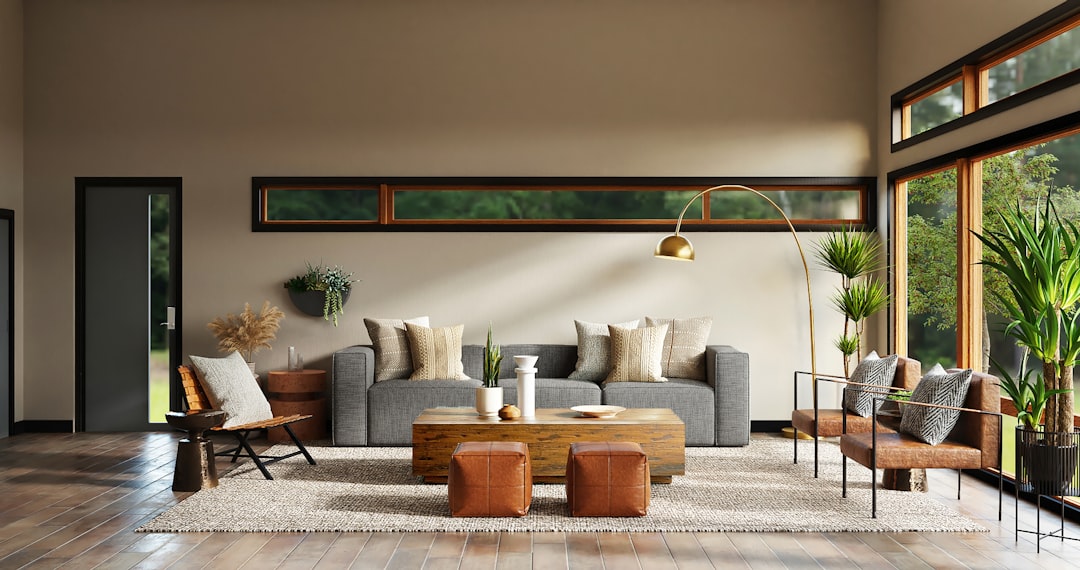
Luxury interior design is widely misunderstood. It is often imagined as a matter of expense — gold, marble and visible price tags — but genuine luxury has more to do with quality, space, craftsmanship and restraint than with cost alone. A truly luxurious room feels considered, generous and effortless, regardless of how loudly it announces itself.
This guide sets out the real principles behind luxury interior design: what separates true luxury from mere expense, the elements that create it, and how those principles can be applied at any budget. The recurring theme is that luxury is felt in quality and detail, not measured in price.
What luxury really means
The first principle of luxury is that it is not the same as expensive. Cheap rooms can be cluttered with costly objects and still feel cheap, while a sparely furnished space with a few superb materials and perfect proportions can feel deeply luxurious. What people respond to is not the price of things but the sense that everything has been considered, made well and given room to be appreciated.
True luxury rests on a few foundations: excellent materials, fine craftsmanship, generous use of space, restraint, and bespoke or carefully curated detail. It often expresses itself quietly — the “quiet luxury” sensibility that prizes understatement over display. Understanding these foundations is what lets you create a luxurious feeling without simply spending more. For the broader principles that underpin good design at every level, our main interior design hub is a useful companion.
Quality materials and craftsmanship
Material quality is the most reliable signal of luxury. Natural stone, solid timber, genuine leather, fine wool, silk and linen, and well-finished metals all read as luxurious because they look, feel and age better than synthetic substitutes. The hand notices the difference even when the eye does not: the weight of a solid brass handle, the cool of real marble, the drape of heavy linen.
Craftsmanship matters just as much as the material itself. Precise joinery, flush and even reveals, seamless finishes, hand-stitched upholstery and carefully fitted details elevate a room far more than any single expensive object. This is why bespoke and made-to-measure elements — a fitted joinery wall, a tailored sofa, a stone benchtop cut exactly to the space — carry such weight in luxury design. They fit perfectly because they were made for the space, and that perfection is felt even when it is not consciously seen.
Space, proportion and restraint
Space is one of luxury’s truest measures. Room to breathe — generous circulation, uncrowded furniture, high ceilings where possible, and surfaces left clear — communicates luxury more powerfully than any object. This is why restraint is a core principle: a luxurious room is edited, not filled. A few exceptional pieces given space around them will always read as more luxurious than many good pieces crowded together.
Proportion and balance underpin this. Well-considered proportions, careful symmetry, and a clear hierarchy of elements give a room a settled, effortless quality. Lighting is treated as essential rather than incidental: layered, dimmable, and arranged to flatter materials and create atmosphere, with statement fixtures used as sculpture. Because so many luxury interiors depend on generous, open volumes, the architecture itself matters — and where opening up space involves removing walls, our note on load-bearing walls explains what is structurally involved.
Detail, bespoke elements and finish
Luxury lives in the details. The finishing touches — the quality of the hardware, the alignment of the joinery, the consistency of the metal finishes, the way a curtain falls — are what the eye and hand register as refinement. In luxury design, nothing is left to chance and nothing is “good enough”; every junction and edge is resolved.
Bespoke and curated elements give a luxury interior its individuality. Custom joinery, commissioned or carefully chosen art, considered textiles, and a few genuinely special objects make a space feel personal and irreplaceable rather than bought off a shelf. Even the layering of texture — stone against timber, leather against wool, matte against polished — is handled with care, because that interplay of fine materials is much of what creates a sense of richness. The discipline is consistency: every choice should meet the same high standard, because a single weak detail can undermine the whole.
Luxury principles at any budget
Because true luxury is about quality and consideration rather than expense, its principles can be applied at almost any budget. The trick is to spend where it counts and to edit elsewhere.
- Invest selectively. Put your budget into a few high-quality materials and pieces you touch and see most, and economise on the rest.
- Prioritise space. Declutter and leave room to breathe; openness costs nothing and reads as luxury.
- Get the details right. Good hardware, neat finishes and well-aligned joinery elevate even modest materials.
- Layer quality textures. A few fine natural materials combined thoughtfully feel richer than many synthetic ones.
- Light it well. Layered, dimmable lighting transforms the perceived quality of a room.
Approached this way, luxury becomes a matter of judgement rather than spending. A calm, well-proportioned room with a handful of excellent materials, perfectly finished and beautifully lit, will feel more luxurious than an expensive room that is cluttered and carelessly detailed. That is the real principle of luxury interior design: quality, restraint and care, consistently applied.
Frequently asked questions
What defines luxury interior design?
Luxury interior design is defined by quality materials, fine craftsmanship, generous space, restraint and bespoke detail rather than by price alone. A luxurious room feels considered, well made and effortless, with everything given room to be appreciated.
Is luxury design just about spending more money?
No. Expense and luxury are not the same. A cluttered room full of costly objects can still feel cheap, while a sparse space with a few superb materials and perfect proportions feels deeply luxurious. Consideration and quality matter more than cost.
What materials read as luxurious?
Natural stone, solid timber, genuine leather, fine wool, silk, linen and well-finished metals all read as luxurious because they look, feel and age better than synthetic alternatives. The way they are crafted and finished matters as much as the material itself.
Why is space considered a sign of luxury?
Room to breathe — generous circulation, uncrowded furniture and clear surfaces — communicates luxury powerfully. A few exceptional pieces with space around them read as more luxurious than many good pieces crowded together, which is why restraint is central to the style.
Can I create a luxurious feel on a limited budget?
Yes. Spend selectively on the materials and pieces you see and touch most, declutter to create a sense of space, get the details and finishes right, layer a few quality textures, and light the room well. Luxury is about judgement and care, not unlimited spending.
Related reading
- Contemporary Interior Design Explained
- Minimalist Interior Design: A Complete Guide
- Tray Ceilings and Ceiling Design Ideas Explained
- Smart Home Storage Solutions for Every Room
Planning a high-quality renovation where space and structure underpin the finish? Talk to our consultancy or get in touch.


