
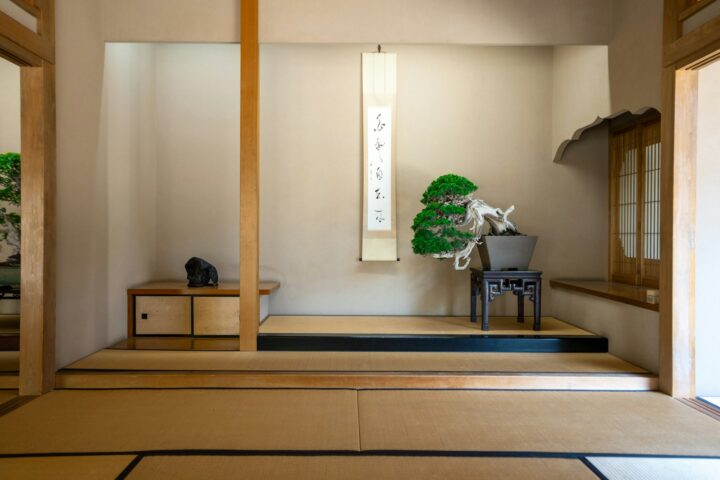
Tokonoma: The Display Alcove of the Japanese Room
In the formal room of a traditional Japanese home, there is one place where display is allowed — a recessed alcove that holds a…
Joinery · minimalism · ma 間
In the formal room of a traditional Japanese home, there is one place where display is allowed — a recessed alcove that holds a…
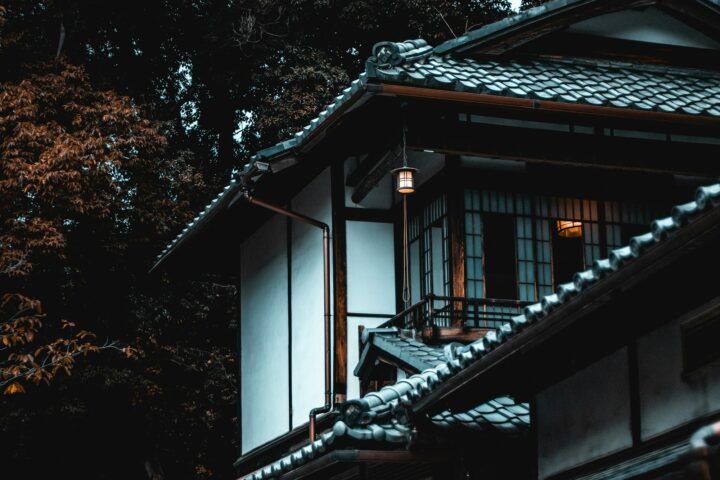
The traditional Japanese house is a clever system of timber, sliding screens, tatami and deep eaves. How it is designed, its key rooms and…

Japanese architecture prizes natural materials, harmony with nature, flexible space and calm. Its defining characteristics, its temples, houses and gardens, and how it shaped…

A Japanese garden is not a display of flowers but a composed, contemplative landscape — nature distilled and arranged to feel both natural and…
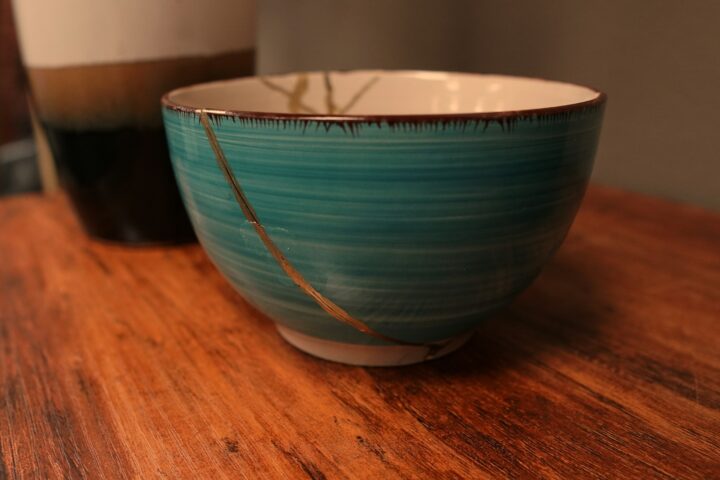
When a treasured bowl breaks, the instinct is to hide the repair or throw it away. Kintsugi does the opposite. This Japanese art mends…

Run your eye along the edge of a traditional Japanese house and you will often find a narrow wooden walkway between the rooms and…

Tatami mats are so central to traditional Japanese life that they do something no other flooring does: they measure the room itself. For centuries…

In a traditional Japanese home there are far fewer fixed walls than in a Western one. Instead, rooms are shaped by sliding panels —…

Japandi blends Japanese craft and calm with Scandinavian warmth and function — minimal but liveable. What it is, why the two traditions fit so…
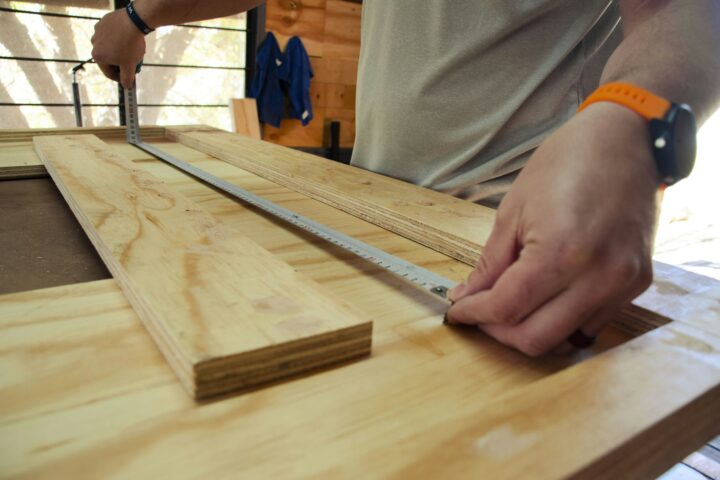
Japanese joinery joins timber with precise interlocking joints — almost no nails. How it works, why nail-free joints last for centuries, and the craft…
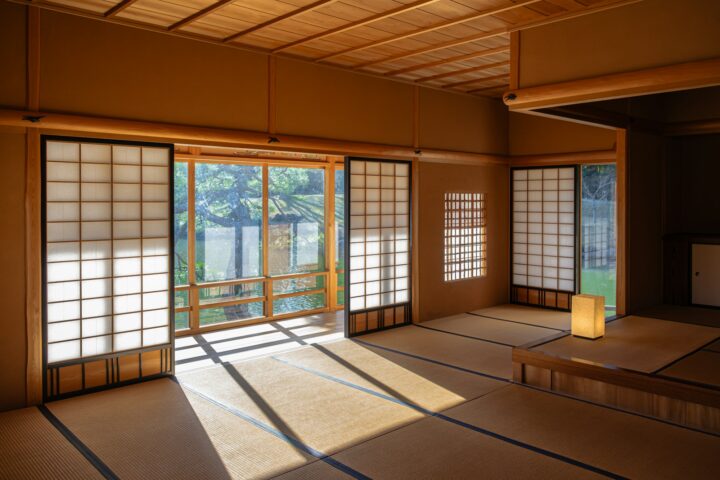
In Japanese design the empty space is the point. Ma (間) is the meaningful interval — the pause and breathing room that gives architecture…
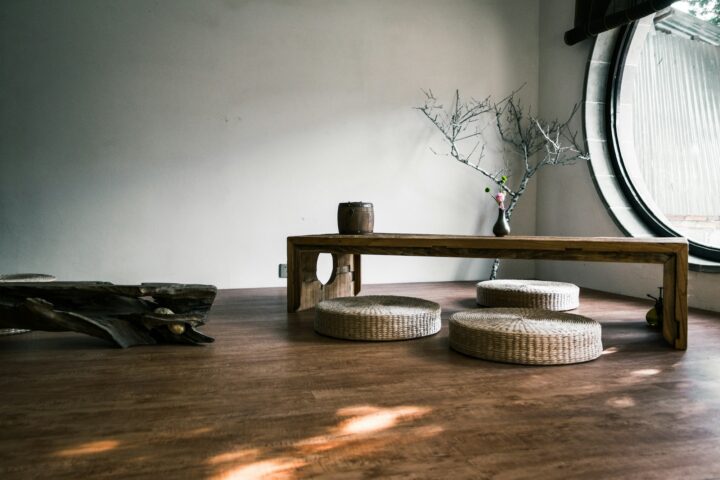
Wabi-sabi is the Japanese art of finding beauty in imperfection, impermanence and age. What it means, where it comes from, and how it shapes…