
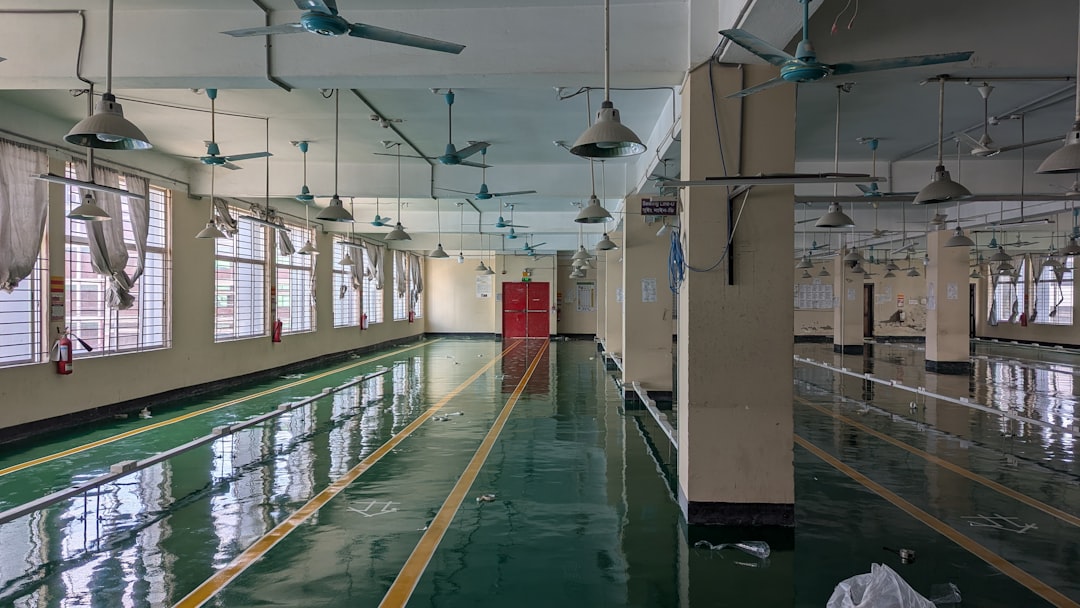
Epoxy flooring has moved from the factory floor into homes, kitchens, balconies, and retail spaces in Singapore, drawn by its seamless look and hard-wearing surface. But epoxy is not a magic coating you can roll onto any floor — its performance depends almost entirely on the substrate beneath it and the preparation that goes in. Understood properly, epoxy flooring is an excellent finish for the right situations and a disappointment when used in the wrong ones.
This guide explains how epoxy flooring works, where it suits a Singapore context, the substrate and build-up requirements, how durable it really is, and where its limits lie.
What epoxy flooring is
Epoxy flooring is a resin coating system applied as a liquid that chemically cures into a hard, seamless, plastic-like surface bonded to the floor beneath. It comes in different forms — a thin roller-applied coating, a thicker self-levelling system, or a heavy-duty industrial build-up — but all share the same basic chemistry: two components mixed together that react and harden into a tough film.
The result is a continuous floor with no joints for dirt and water to collect in, which is why epoxy is popular where hygiene and cleanability matter. It bonds to and depends on the concrete or screed below it; the epoxy is a surface system, not a structural layer. Because it sits on cementitious substrates, it shares their sensitivities to moisture and cracking, which our explainer on reinforced concrete helps put in context.
Where epoxy flooring suits
Epoxy excels in spaces that need a tough, seamless, easy-to-clean surface. Industrial and commercial settings — workshops, warehouses, car parks, kitchens, clinics — are its natural home, where chemical resistance and durability outweigh aesthetics. In residential and retail use, epoxy is chosen for its clean, continuous look in kitchens, balconies, study spaces, and feature areas.
- Workshops and warehouses — abrasion resistance and a dust-free surface.
- Commercial kitchens and clinics — seamless, hygienic, chemical-resistant floors.
- Car parks and service areas — durability under traffic and oils.
- Residential features — a modern, jointless finish where the look is wanted.
The common thread is that epoxy rewards spaces where its strengths — seamlessness, durability, cleanability — are genuinely useful, rather than being chosen purely as a cheap alternative to tiles.
Substrate and preparation
The single most important fact about epoxy is that its success is decided before the resin is opened: in the substrate and its preparation. Epoxy bonds mechanically and chemically to the floor, so the concrete or screed must be sound, clean, and — critically — dry. Moisture is epoxy’s enemy. A slab that is damp, or that draws moisture from below, will cause the epoxy to blister, peel, or fail to bond, sometimes weeks after it looked perfect.
Proper preparation means mechanically grinding or shot-blasting the surface to open it up, removing all contamination, repairing cracks and defects, and confirming the substrate moisture is within limits before coating. Skipping this preparation is the overwhelming cause of epoxy failure. This is also why epoxy is risky over a floor with active moisture or rising damp — the coating traps the moisture and lifts. A contractor who proposes to roll epoxy over an unprepared, possibly damp slab is setting it up to fail.
Durability and maintenance
A well-installed epoxy floor on a properly prepared substrate is genuinely durable — resistant to abrasion, many chemicals, and water, and easy to clean. In industrial use it withstands forklifts and heavy traffic; in domestic use it shrugs off ordinary wear. Maintenance is simple: it cleans easily because there are no joints, and a topcoat can be refreshed when it eventually dulls.
That said, epoxy is not indestructible. It can be scratched by dragging heavy or sharp objects, and some types yellow or chalk under direct sunlight, which is a real consideration for balconies and sun-exposed areas where UV-stable systems are needed. Like any coating it has a service life and will eventually need recoating. The key point is that durability is conditional on the installation quality — a poorly prepared epoxy floor fails early regardless of the product grade.
The limits and risks
Epoxy has clear limits worth understanding before you commit. The biggest is moisture sensitivity: it is a poor choice over slabs with rising damp or where the substrate cannot be properly dried, and on ground-bearing floors this needs careful assessment. The second is that epoxy faithfully reflects the floor beneath it — it does not bridge cracks, so a substrate that cracks or moves will telegraph that crack through the seamless surface.
There is also a slip consideration: a glossy epoxy floor can be slippery when wet, so wet areas need an anti-slip aggregate added to the topcoat. And because the finish is seamless and bonded, a localised repair is harder to make invisible than replacing a single tile. None of these rule epoxy out — they simply define where it is the right choice. If a floor is cracking and you are unsure whether the cause is cosmetic or structural movement, our structural engineering consultancy can help before you coat over the problem; our note on types of concrete cracks is a useful starting point.
Choosing and costing epoxy
Choosing the right epoxy system means matching it to the use: a thin coating for light-duty appearance, a self-levelling system for a smooth feature floor, a heavy-duty build-up for industrial traffic, and a UV-stable system for sun exposure. The cost depends on the system type, thickness, the condition and preparation of the substrate, and the area, so a quote without a site assessment of the existing floor is unreliable.
The most valuable thing to scrutinise in a quote is the preparation. A cheap epoxy quote that omits proper grinding, crack repair, and moisture testing is cheap because it skips the steps that make epoxy last. The honest comparison is not the price per square metre of the coating, but whether the substrate work is included. Paying for proper preparation is what separates an epoxy floor that lasts years from one that blisters within months.
Frequently asked questions
Can epoxy flooring be applied over any concrete floor?
No — epoxy only succeeds over a sound, clean, and dry substrate that has been mechanically prepared by grinding or shot-blasting, and it should not be applied over slabs with rising damp or active moisture, because trapped moisture causes the coating to blister and peel.
How long does epoxy flooring last?
A well-installed epoxy floor on a properly prepared substrate is durable and can last many years under normal use, though its life depends heavily on installation quality, traffic, and exposure; UV can yellow some types, and any epoxy will eventually need recoating.
Is epoxy flooring slippery?
A glossy epoxy surface can be slippery when wet, so for bathrooms, kitchens, balconies, and other wet areas an anti-slip aggregate is added to the topcoat to give the floor grip while keeping its seamless appearance.
Will cracks in the floor show through epoxy?
Yes — epoxy does not bridge cracks, so it reflects the substrate beneath it; a floor that cracks or moves will telegraph that crack through the seamless surface, which is why crack repair and an assessment of any active movement should come before coating.
What is the most important factor in a good epoxy floor?
Substrate preparation is the decisive factor — proper grinding or shot-blasting, crack repair, contamination removal, and moisture testing before coating — because most epoxy failures come from poor preparation rather than the product itself.
Related reading
- Small-Space Renovation Ideas for Singapore Homes
- Condo Renovation Rules and MCST Approval Explained
- Resale Flat Renovation Guide for Singapore Owners
- BTO Renovation Guide for First-Time Owners
Coating over a floor that may be cracking or damp? Talk to our consultancy or get in touch before you commit to a finish.


