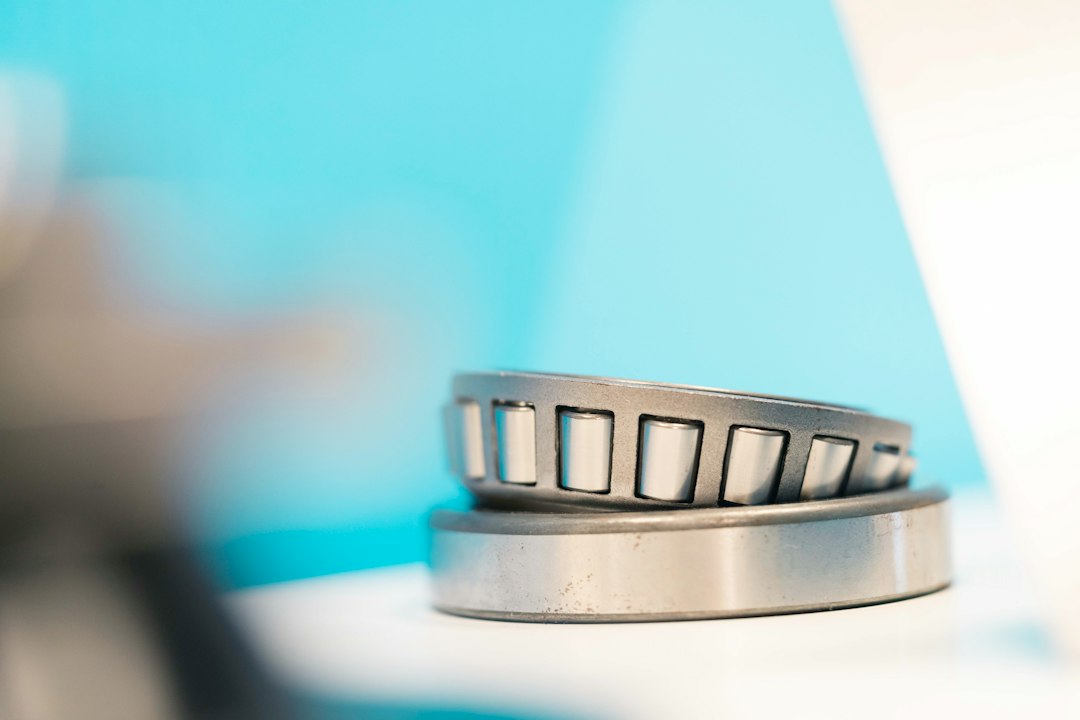
An elastomeric bearing is a block of rubber, usually reinforced with thin steel plates, placed between a bridge deck or beam and the pier or abutment that supports it. It looks unremarkable, but it does a sophisticated job: it carries very large vertical loads while letting the structure above move horizontally and rotate slightly as it expands, contracts and deflects. Without that freedom, temperature changes alone would build up forces large enough to crack piers and girders.
This guide explains how these bearings work, the main types, where they are used in bridges and buildings, how they deteriorate, and what an engineer looks for at inspection and replacement.
Why bridges need bearings at all
A bridge deck is never still. Concrete and steel expand on a hot afternoon and contract at night. Concrete also shrinks as it dries and creeps under sustained load, so a deck can shorten for years after construction. Traffic makes girders deflect, which rotates their ends. If the deck were rigidly fixed to its supports, all of this movement would be resisted, and the resulting forces would end up in the substructure.
Bearings solve the problem by giving each support a defined role: some allow movement in all directions, some only along the bridge, and some, often at one pier, are fixed to hold the deck in place. Together with the expansion joints at the deck ends, they control where the structure moves and where it is restrained. Our article on expansion joints in buildings explains the same logic at building scale.
How an elastomeric bearing works
Rubber has two properties that make it ideal. It is very flexible in shear, so a block can deform sideways easily when the deck above moves. And it is nearly incompressible: its volume barely changes under pressure, so if it is prevented from bulging out at the sides, it becomes very stiff vertically.
A plain rubber pad, loaded heavily, simply squashes and bulges. A laminated bearing prevents this by bonding thin steel plates into the rubber at intervals. Each thin layer of rubber can only bulge a little at its edges, so the bearing as a whole is stiff under vertical load. But the steel plates do not resist horizontal shear, so the bearing still deforms sideways freely. It can also tilt slightly, with one edge compressing more than the other, to accommodate end rotation of the girder.
The result is a component with no moving parts that carries load, permits horizontal movement through shear deformation, and accommodates rotation, all within one bonded block. It needs no lubrication and very little routine maintenance, which explains why it is so widely used.
Main types of elastomeric bearing
- Plain pads and strips. Unreinforced rubber, used for light loads and small movements, for example under precast slabs or small beams.
- Laminated bearings. Alternating layers of rubber and steel plates, the standard bridge bearing for short and medium spans.
- Sliding elastomeric bearings. A laminated bearing with a low-friction sliding surface, typically PTFE against polished stainless steel, on top. The rubber handles rotation and small movements, and the sliding surface takes larger longitudinal movements.
- Restrained bearings. Laminated bearings combined with guides or dowels that prevent movement in one or more directions.
- Seismic isolation bearings. Laminated bearings, sometimes with a lead core for damping, designed to isolate a structure from ground shaking. They are used in bridges and buildings in seismic regions. See our guide to seismic design principles.
In Europe, laminated and plain bearings are covered by EN 1337-3, which classifies the main laminated, sliding and plain types and sets out design, material and testing requirements. Bearings are usually made from natural rubber or polychloroprene, commonly known as neoprene.
Where they are used
Most short and medium-span concrete and steel bridges, including expressway flyovers and elevated rail viaducts, sit on elastomeric bearings under each girder or segment. In buildings, rubber bearings appear under precast beams and slabs, at movement joints between building blocks, under link bridges that span between structures, and as vibration isolation where buildings sit close to railways or need protection from plant vibration. Our guides to the beam bridge and girder bridge show where bearings sit in the load path.
How elastomeric bearings fail
Bearings are designed to last decades, but they deteriorate, and their condition is a standard item in any bridge inspection.
- Excessive shear deformation. A bearing leaning heavily to one side may mean the structure has moved more than expected, from creep and shrinkage, from a seized bearing elsewhere, or from substructure movement.
- Bulging and splitting. Uneven bulges, splits in the rubber cover or exposed steel plates indicate overload, poor manufacture or ageing.
- Delamination. Loss of bond between rubber and steel plates destroys the vertical stiffness that the laminations provide.
- Walking and displacement. Unrestrained bearings can creep out of position under repeated movement, particularly if the seating is smooth, contaminated or not level.
- Uneven seating. A bearing placed on an uneven plinth or out-of-level beam soffit is loaded on one edge, which concentrates stress and accelerates damage.
- Ageing and environmental attack. Ozone, ultraviolet light, oil and heat cause surface cracking and hardening over time.
- Corrosion of exposed steel. Once the cover is damaged, the internal steel plates and any sliding plates can corrode.
Many of these problems start with water and debris from leaking expansion joints, which collect on bearing shelves. Keeping joints watertight and shelves clean is the cheapest way to extend bearing life.
Inspection and replacement
Inspection involves looking at every bearing for shear deformation, bulging, cracking, displacement and the state of its seating, and comparing measurements with the design values and with previous inspections. A single distorted bearing may indicate a problem at that support; a pattern across many supports may point to a global movement or a restraint that has seized.
Replacement is a planned operation. The deck is jacked a few millimetres off the bearing using hydraulic jacks placed at designated jacking points, the old bearing is removed, the seating is prepared and levelled, and the new bearing is installed before the deck is lowered. Good modern design provides jacking points and access for exactly this purpose. On older structures without them, temporary supports and a structural check of the jacking loads are needed. Loads, traffic restrictions and monitoring during the work should all be planned by an engineer.
Frequently asked questions
What does an elastomeric bearing do?
It transfers vertical load from a deck or beam to its support while allowing the structure to move horizontally and rotate slightly. Movement is taken up by shear deformation of the rubber, while steel laminations keep the bearing stiff under vertical load.
How long do elastomeric bearings last?
They are designed for long service lives, often matching major maintenance cycles of the structure, but actual life depends on loading, movement, environment and whether water and debris from leaking joints reach them. Regular inspection is the only reliable guide to condition.
What is the difference between neoprene and natural rubber bearings?
Both are used. Neoprene, or polychloroprene, has good resistance to ozone and weathering. Natural rubber has excellent elastic properties and is common in seismic isolation bearings. The choice depends on climate, loading and the specification.
Can bearings be replaced without closing a bridge?
Sometimes, with careful planning. The deck is jacked a few millimetres, the bearing replaced and the deck lowered, often under traffic restrictions rather than full closure. Whether this is safe depends on the structure, the jacking arrangement and an engineer’s assessment of the temporary condition.
Related reading
- Crack in Foundation: What It Means and When to Worry
- MEP Coordination and MEP Consulting in Building Design
- MEP Engineering Explained: Systems, Roles and SG Rules
- Carbon Fibre Wrapping: How FRP Strengthens Concrete
Dealing with movement joints, link bridges or bearings in a building? Talk to our consultancy or get in touch.