Most blocked drains in a home are not mysterious. Hair and soap choke bathroom traps, fat and food scraps narrow kitchen pipes, and wipes jam toilets. Drain cleaning is largely a matter of identifying where the blockage sits and using the gentlest method that will clear it, without damaging pipes or exposing yourself to dangerous chemicals.
This guide explains how blockages form, the methods available from a plunger to high-pressure jetting, the risks attached to each, and how to tell when a blockage is in your own pipes or in the building’s common system. It is written for Singapore flats and landed homes.
Why drains block
Sanitary pipes work by gravity, and anything that reduces their bore or slows the flow lets debris settle. The usual culprits differ by room.
- Bathrooms — hair binds with soap residue to form mats in basin wastes, shower drains and the floor trap.
- Kitchens — cooking oil and fat cool and congeal on pipe walls, catching food particles and gradually narrowing the pipe until it closes.
- Toilets — wet wipes, sanitary products, cotton buds and paper towels do not break down like toilet paper and lodge in the bowl’s trap or further along.
- Service yards — lint from washing machines and debris washed off floors.
- Landed homes — underground drains can also suffer from tree roots entering joints, settlement that creates sags, and debris in inspection chambers.
Pipes laid with too little fall, or sagging between supports, block repeatedly because water and solids linger. Our guide to PVC pipe explains how drainage pipes are laid and why their joints and gradient matter.
Locating the blockage
Before choosing a method, work out where the blockage is.
- One fixture is slow, others are fine — the blockage is in that fixture’s trap or branch pipe. This is the easiest case.
- Several fixtures in one room are slow, or the floor trap backs up when the basin drains — the blockage is in the shared floor trap or the branch beyond it.
- Water rises in your floor trap when neighbours use water, or several units are affected — the problem may be in the common discharge stack. In HDB estates, report it to the Town Council; in condominiums, to the managing agent.
- Landed home with an overflowing inspection chamber — the blockage is in the underground drain line, or further down in the connection to the public sewer.
Drain cleaning methods, from gentle to aggressive
Clean the trap by hand
Under a basin or sink, place a bucket below the trap, unscrew the bottle or P-trap, empty it and clean out the debris. For floor traps, lift the grating and remove the hair and sludge. This clears most bathroom blockages without tools or chemicals.
Plunger
A plunger uses alternating pressure and suction to dislodge a blockage close to the outlet. Use a cup plunger for sinks and floor drains and a flanged plunger for toilets. Block the overflow on a basin so pressure goes down the pipe.
Drain snake or auger
A flexible steel cable is fed into the pipe and turned to break up or hook the blockage. Hand augers reach a few metres; powered machines go further. Used carelessly on plastic pipes or tight bends, a stiff auger can scratch or puncture the pipe.
High-pressure water jetting
A professional method that scours the full bore of the pipe with high-pressure water. It is effective against grease and scale, but on old, brittle or poorly jointed pipes it can force joints apart or crack fittings. It should be done by an experienced operator who has assessed the pipe first.
Camera inspection
For recurring blockages, a small camera pushed through the pipe shows whether the cause is a sag, a broken joint, root intrusion or an object, which avoids repeated cleaning that does not fix the cause.
Chemical drain cleaners: use with care
Chemical cleaners dissolve organic material through strong alkaline or acidic reactions. They can work on soft blockages, but they carry real risks:
- They generate heat and can splash, causing burns to skin and eyes.
- Mixing products is dangerous. Combining different cleaners — for example, bleach with an acidic product — can release toxic gas. Never use one product after another without thoroughly flushing the pipe first, and ventilate the room.
- Repeated use can damage some pipe materials, rubber seals and the solvent joints in plastic drainage.
- A chemical that fails to clear the blockage leaves a pipe full of caustic water that the plumber then has to deal with. Tell them what you used.
Enzyme or bacterial products work slowly and are better suited to routine maintenance of kitchen lines than to clearing a full blockage.
Preventing blockages
- Wipe greasy pans with paper before washing and collect used cooking oil for disposal, rather than pouring it down the sink.
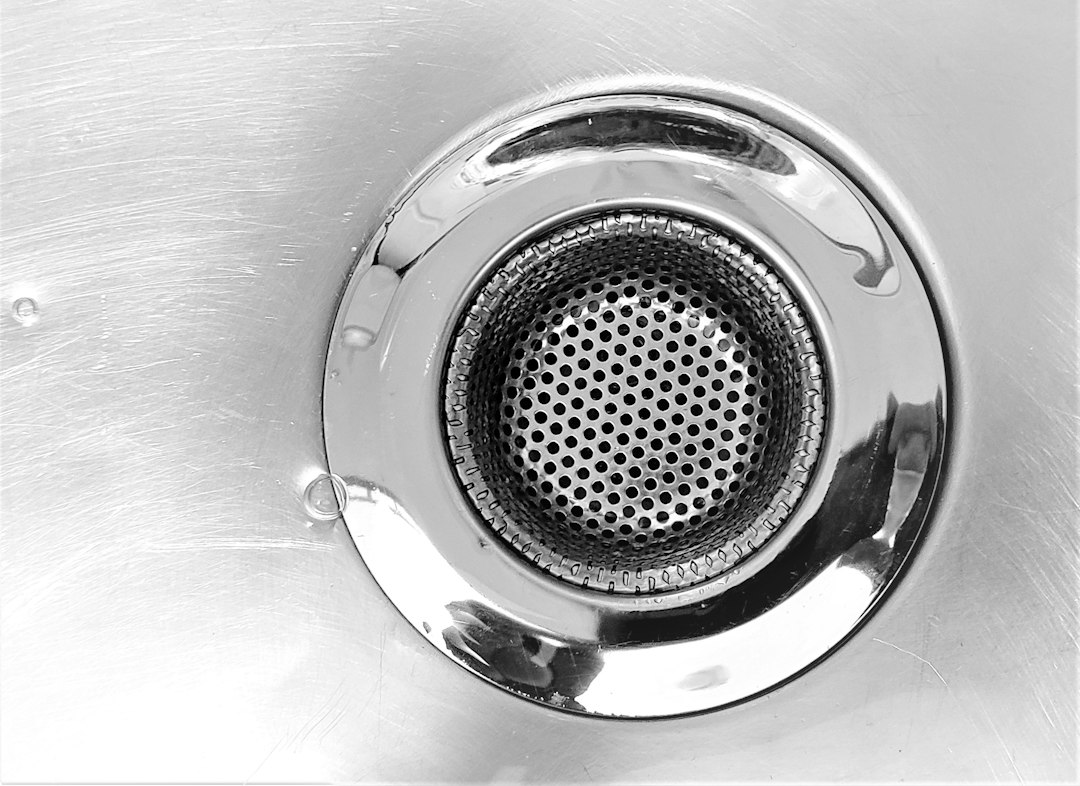
- Fit strainers in kitchen sinks and hair catchers in showers, and empty them regularly. Our guide to kitchen sink types covers waste and strainer options.
- Flush only toilet paper.
- Flush floor traps and rarely used drains with water regularly.
- Clean washing machine lint filters.
- In landed homes, keep inspection chamber covers accessible and have underground drains inspected if blockages recur.
Who can clear drains, and when to call a professional
PUB lists clearing blockages in a floor trap, water closet or sanitary appliance, and clearing and flushing discharge pipes, floor traps, inspection chambers and similar equipment, among the sanitary works that do not require a Licensed Plumber. Homeowners and drain-cleaning services can therefore clear blockages without a licence. Repairing or replacing a damaged pipe, trap or fitting found during cleaning, however, is regulated sanitary work for a PUB Licensed Plumber. Check the current list on pub.gov.sg.
Call a professional when a blockage resists a plunger and hand cleaning, when it keeps returning, when sewage backs up into the home, or when you suspect damage to the pipe. If repeated blockages coincide with damp ceilings below, a broken joint may be leaking as well as catching debris; see our guide to plumbing basics for how the system fits together.
Frequently asked questions
What is the safest way to clear a blocked basin?
Remove and clean the trap under the basin by hand, then use a plunger with the overflow blocked, since these mechanical methods clear most hair and soap blockages without risk to the pipes or to you.
Do I need a licensed plumber for drain cleaning in Singapore?
No, PUB exempts clearing blockages and flushing discharge pipes, floor traps and inspection chambers from the Licensed Plumber requirement, but repairing or replacing damaged pipes or fittings is regulated work for a Licensed Plumber.
Can chemical drain cleaners damage pipes?
Repeated or excessive use of strong chemical cleaners can harm some pipe materials, seals and plastic pipe joints, and mixing different products can release toxic gas, so mechanical methods should be tried first.
Why does my drain keep blocking after it is cleared?
Recurring blockages usually indicate an underlying cause such as a pipe with insufficient fall, a sag, a broken joint or grease build-up along the pipe, and a camera inspection is the best way to find it.
Who fixes a blocked drain stack in an HDB block?
The common discharge stack in an HDB block is maintained by the Town Council, so if a blockage affects several units or rises into your floor trap when neighbours use water, report it to them.
Related reading
- Water Tank in Buildings: Types, Rules and Maintenance
- Sump Pump and Basement Drainage: How It Works and Fails
- Submersible Pump Explained: Types, Uses and Failure Modes
- Booster Pump and Water Pressure: Causes, Fixes and Rules
Recurring drainage leaks damaging finishes or the slab? Talk to our consultancy or get in touch for an independent assessment.