
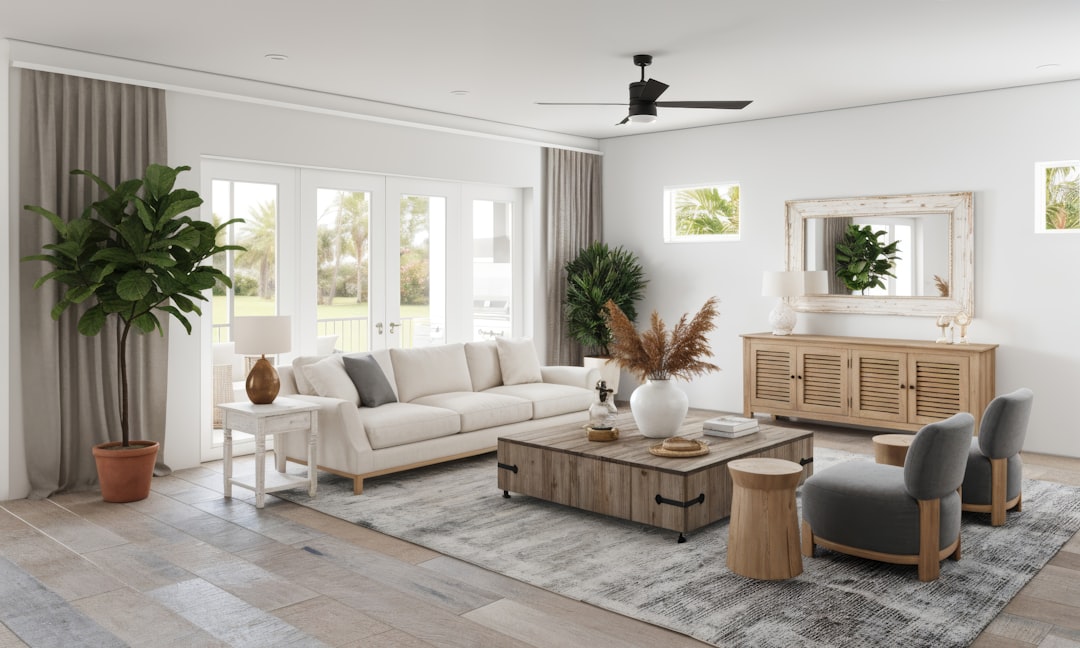
Coastal interior design captures the light, airy feeling of a home by the sea — even when the nearest beach is far away. It is built on natural light, soft blues and sandy neutrals, breezy fabrics and natural textures, all working together to create rooms that feel relaxed, open and restorative.
This guide explains what defines coastal interior design, how it differs from the more themed “nautical” look, and how to achieve a fresh seaside feel in any home, including dense urban flats. The emphasis is on atmosphere and light rather than literal decoration.
Where the coastal look comes from
The coastal style draws on the relaxed homes of seaside regions — the Hamptons and New England on the American east coast, the whitewashed houses of the Mediterranean, and the breezy beach homes of Australia and Southeast Asia. What these places share is a response to climate: pale surfaces to reflect heat and light, natural ventilation, durable materials that cope with sun and salt, and an easy indoor-outdoor flow.
Modern coastal design distils that into a feeling rather than a theme. It is less about literal seashells and ship’s wheels and more about the quality of light and air you find near water. In that sense it shares the calm, natural-material sensibility of much of contemporary interior design, applied to a breezier, lighter end of the palette.
Defining features of coastal interior design
Coastal style is recognisable for its lightness. Every choice tends to maximise brightness, airiness and a connection to the outdoors.
- A light, airy palette. Whites, creams, sandy beiges and soft blues and greens dominate.
- Abundant natural light. Windows are kept unobstructed; window treatments are sheer and light.
- Natural textures. Rattan, jute, linen, weathered timber, rope and seagrass feature throughout.
- Relaxed, comfortable furniture. Slipcovered sofas, light timber and casual forms.
- Indoor-outdoor flow. Layouts and materials blur the line between inside and the garden or balcony.
- Subtle nautical hints, not themes. A nod to the sea through colour and texture rather than literal motifs.
The overall feeling is fresh and restful, like a deep breath of sea air.
Colour, light and materials
The coastal palette begins with white and works outward into the colours of sand, driftwood, sea and sky. Crisp whites and warm creams form the base; sandy beiges and pale greys ground it; and soft blues, aquas and sea-greens add the signature coastal note. The colours are always muted and sun-washed rather than bright, which keeps the look sophisticated rather than themed.
Light is the most important ingredient. Coastal rooms are designed to be bright, so windows are left as open as possible and dressed only in sheer linen or light cotton. Where privacy allows, plantation shutters or simple blinds replace heavy curtains. Materials reinforce the natural, weathered feel: limed or whitewashed timber, rattan and cane, jute and sisal rugs, linen upholstery, rope detailing and the occasional touch of woven seagrass. Nothing is high-gloss; everything looks gently worn by sun and salt.
Furniture, layout and styling
Coastal furniture is relaxed and informal. Slipcovered sofas and armchairs in white or natural linen are a signature, partly because they suit a casual, family-friendly seaside life and partly because they read as light and soft. Light-toned and weathered timbers, rattan chairs and woven elements add texture without weight. The aim is comfort and ease rather than formality.
Layouts favour openness and flow, especially towards the outdoors. Furniture is arranged to keep sightlines to windows clear, and outdoor spaces — balconies, terraces, gardens — are treated as extensions of the living area. Styling is restrained: a few pieces of driftwood, ceramics in sea tones, woven baskets, and plenty of greenery. Resist the urge to over-theme. One or two natural references to the coast read as elegant; a roomful of anchors and seashells reads as a gift shop. For broader help arranging open, light-filled spaces, our main interior design hub is a useful companion.
Bringing coastal style to an inland or urban home
You do not need a sea view to live with coastal design; you need its light and palette. These steps translate the look to any home, including city flats.
- Lighten the palette. Repaint in warm whites and sandy neutrals, then add soft blues and greens through textiles.
- Maximise the light you have. Swap heavy curtains for sheers or shutters and keep windows clear.
- Bring in natural texture. Rattan, jute, linen and weathered timber instantly evoke the coast.
- Keep furniture relaxed. Slipcovered or light-framed pieces read as breezy and informal.
- Add greenery and a few natural objects. Plants, ceramics and driftwood suggest the outdoors without theming the room.
Coastal design works so well partly because it is fundamentally calming. Its light palette and natural materials lower the visual temperature of a room, which is welcome anywhere — and especially in a warm, humid climate where bright, airy interiors feel particularly fitting.
Frequently asked questions
What is coastal interior design?
Coastal interior design is a light, airy style inspired by seaside living, built on whites and sandy neutrals, soft blues and greens, abundant natural light, and natural textures like rattan, linen and weathered timber. It evokes the feel of the sea rather than literally decorating with it.
Is coastal the same as nautical style?
No. Nautical style leans on literal motifs — stripes, anchors, ropes, ship’s wheels and bold navy-and-white. Coastal style is softer and more atmospheric, suggesting the sea through light, muted colour and natural texture rather than obvious symbols.
What colours define a coastal interior?
A base of warm whites and sandy neutrals, accented with soft, muted blues, aquas and sea-greens. The colours are always sun-washed rather than bright, which keeps the look elegant rather than themed.
Can I achieve a coastal look in a city flat?
Yes. Lighten the walls to warm white, maximise natural light by keeping windows clear, add natural textures like rattan and linen, and introduce soft blues and greenery. The style is about light and material, not a literal sea view.
How do I avoid the coastal look feeling like a theme?
Keep references subtle. Use the palette and natural textures to suggest the coast, and limit literal objects to one or two pieces of driftwood or sea-toned ceramics. Too many shells and anchors turn a calm interior into a novelty.
Related reading
- Biophilic Interior Design: Bringing Nature Indoors
- Korean Interior Design Ideas: A Practical Guide
- Muji-Style Japanese Minimal Interiors: A Practical Guide
- Mediterranean Interior Design
Reworking a home to feel lighter, airier and more open? Talk to our consultancy or get in touch.


