
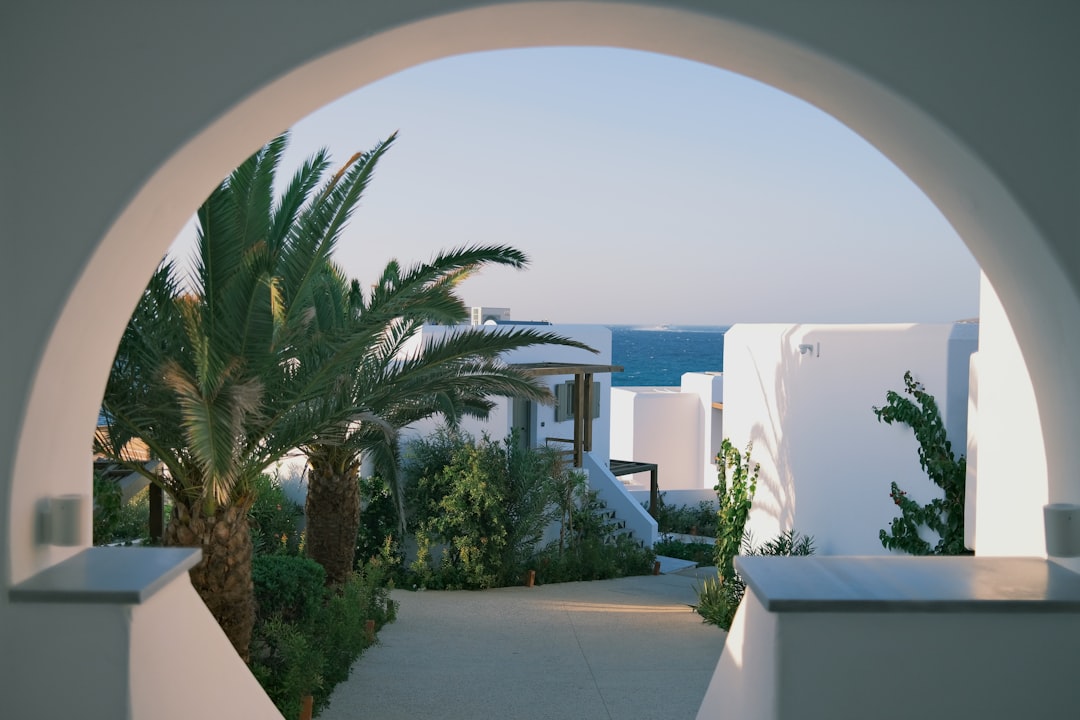
Mediterranean interior design captures the warmth, light and relaxed elegance of the homes that ring the Mediterranean Sea — Spain, Italy, Greece, southern France and beyond. It is a style shaped by sun, sea and a long history of craft: warm earthy colours, natural materials, textured walls, terracotta and an easy, unhurried sense of comfort. The result feels both grounded and breezy, rustic and refined.
This guide explains where Mediterranean interior design comes from, what defines it in colour, material and detail, and how to bring its sun-drenched warmth into a home anywhere. The recurring theme is a connection to landscape, light and handcraft.
The roots of Mediterranean style
Mediterranean design grew out of the climate and culture of Southern Europe. The strong sun and warm climate shaped homes built for coolness and light: thick masonry walls, shaded courtyards, terracotta-tiled floors and roofs, and an easy flow between indoors and out. The materials were local and natural — stone, clay, timber and plaster — and the craft traditions of the region, from hand-painted tiles to wrought ironwork, left their mark on every surface.
The style blends several regional influences: the whitewashed simplicity of the Greek islands, the rustic warmth of Tuscany, the tiled patterns of Spain and Morocco’s nearby influence, and the relaxed elegance of the French and Italian coasts. What unites them is a response to sun and sea, and a love of natural, handcrafted materials. In that warmth and texture it sits close to rustic and coastal styles within the broader family of interior design.
Defining features of Mediterranean interior design
Mediterranean style is recognisable for its warmth, texture and connection to the landscape. A handful of elements appear throughout.
- A warm, earthy and sea-toned palette. Terracotta, ochre, warm whites and sandy neutrals, with blues and greens from sea and sky.
- Textured walls. Plaster, stucco, lime wash and rough-rendered surfaces rather than flat paint.
- Natural materials. Terracotta, stone, timber, wrought iron, clay and natural fibres.
- Decorative tiles. Hand-painted and patterned ceramic tiles on floors, walls and kitchens.
- Arches and curves. Arched doorways, windows and niches soften the architecture.
- Indoor-outdoor living. Courtyards, terraces and a strong link to the garden.
The overall feeling is warm, relaxed and sun-soaked, rich in texture and craft.
Colour, materials and texture
The Mediterranean palette is drawn directly from the region’s landscape. Warm earth tones lead — terracotta, ochre, sienna, warm whites and sandy beiges — evoking sun-baked clay and stone, while blues and greens borrowed from the sea, sky and olive groves provide cooling accents. The colours are warm and natural rather than bright, which gives the style its mellow, lived-in quality.
Materials and texture are central. Walls are rarely flat: textured plaster, stucco and lime wash give surfaces depth and a handmade character, often left in warm white or earthy tones. Floors are typically terracotta tile, natural stone or aged timber. Wrought iron appears in railings, light fixtures, furniture and details, while decorative hand-painted tiles bring pattern and colour to kitchens, stairs and feature areas. Natural fibres — linen, cotton, jute and rattan — soften the harder surfaces. The interplay of rough plaster, warm tile, dark iron and natural timber is what gives Mediterranean rooms their tactile richness.
Furniture, light and detail
Mediterranean furniture is solid, comfortable and often handcrafted. Sturdy timber tables, carved and turned pieces, wrought-iron beds and frames, rush-seated chairs and generous upholstered seating all suit the style. Pieces tend to be substantial and a little rustic, with visible craftsmanship and a relaxed, well-used feel rather than a polished, formal one. Comfort and conviviality — the style is built around gathering, eating and relaxing — guide the choices.
Light is essential to the look. Mediterranean homes are designed around abundant natural light, so windows are kept relatively open, with simple shutters or light fabrics rather than heavy drapery. Wrought-iron and lantern-style fixtures, warm-toned bulbs and plenty of candlelight create a soft, golden atmosphere after dark. Detailing reinforces the handcrafted character: hand-painted ceramics, woven baskets, terracotta pots of herbs and olive trees, carved timber and decorative tilework. Greenery and an easy connection to a courtyard, terrace or garden complete the indoor-outdoor feel. For more on combining natural materials, texture and light across the home, our main interior design hub offers further ideas.
Bringing Mediterranean style home
You do not need a coastal villa to live with Mediterranean design; its warmth and texture translate well to many homes, and especially to warm climates. These steps capture the essentials.
- Warm the palette. Move towards terracotta, ochre, warm white and sandy neutrals, with sea-blue and olive-green accents.
- Add texture to walls. Textured plaster, lime wash or a rough-render finish brings the handmade quality the style depends on.
- Introduce natural materials. Terracotta, stone, timber and wrought iron set the tone instantly.
- Use decorative tiles. A hand-painted tile splashback, stair riser or feature floor brings authentic Mediterranean pattern.
- Bring the outdoors in. Maximise natural light, add greenery and potted herbs, and link to any terrace or garden.
Mediterranean interior design endures because it is generous, warm and deeply liveable. Built around natural materials, abundant light and a relaxed sociability, it creates homes that feel both grounded and uplifting. In a warm, humid climate in particular, its emphasis on light, ventilation and cooling earthy tones feels especially well suited.
Frequently asked questions
What is Mediterranean interior design?
Mediterranean interior design is a warm, sun-drenched style rooted in the homes of Southern Europe. It is defined by an earthy, sea-toned palette, textured plaster walls, natural materials like terracotta, stone, timber and wrought iron, decorative tiles, arches and a strong indoor-outdoor connection.
What colours define a Mediterranean interior?
Warm earth tones lead — terracotta, ochre, sienna, warm whites and sandy beiges — drawn from sun-baked clay and stone, with cooling blues and greens borrowed from the sea, sky and olive groves. The colours are warm and natural rather than bright.
What materials are typical of Mediterranean style?
Terracotta tiles, natural stone, timber, wrought iron, clay and textured plaster are central, along with hand-painted ceramic tiles and natural fibres like linen, cotton, jute and rattan. The interplay of these rough and warm materials gives the style its tactile richness.
How is Mediterranean style different from coastal style?
Coastal style is lighter and breezier, built on whites, soft blues and a fresh, airy feel. Mediterranean style is warmer and earthier, with terracotta, ochre, textured plaster, tiles and wrought iron, drawing on the rustic warmth of Southern Europe rather than a pale seaside lightness.
Can I achieve Mediterranean style in a modern home?
Yes. Warm the palette towards terracotta and sandy neutrals, add texture to walls with plaster or lime wash, introduce natural materials like terracotta, stone, timber and wrought iron, use decorative tiles, and maximise natural light with greenery. The style adapts well, especially in warm climates.
Related reading
- Muji-Style Japanese Minimal Interiors: A Practical Guide
- Traditional Interior Design
- Eclectic Interior Design Explained
- Monochrome Interior Design
Planning a warm, texture-rich renovation with arches, tile and natural materials? Talk to our consultancy or get in touch.


