
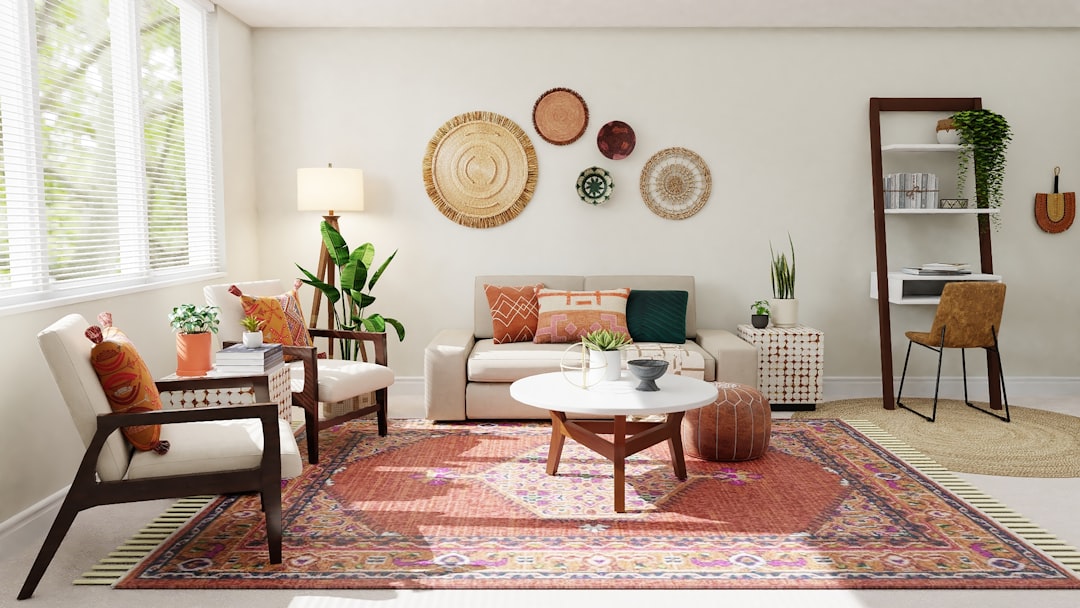
Bohemian interior design, often shortened to “boho”, is the relaxed, layered, free-spirited counterpoint to the disciplined neutrality of minimalism. It celebrates personality over polish: collected objects, global textiles, abundant plants and a warm, sun-soaked palette combine into rooms that feel lived-in and well-travelled rather than styled.
This guide explains where the bohemian style comes from, what genuinely defines it, and how to achieve the look without tipping into clutter. Done thoughtfully, bohemian interior design is one of the most personal and inviting approaches you can take.
The origins of the bohemian style
The word “bohemian” originally described nineteenth-century artists, writers and wanderers in Europe who lived unconventionally, often with little money but plenty of creativity. Their homes reflected that life: a mix of inexpensive, collected and handmade objects gathered from travels and markets rather than bought as matching sets.
The modern boho interior draws on that spirit and layers in influences from many cultures — Moroccan, Indian, Turkish and Latin American textiles and crafts among them. It also borrows from the relaxed, plant-filled interiors of the 1960s and 1970s. The result is eclectic by design, which is why it sits close to the interior design traditions that prize individual expression over rule-following.
Defining features of bohemian interior design
Bohemian style is loose by nature, but it is not random. Its warmth and richness come from consistent ingredients applied with a generous hand.
- Layered textiles. Rugs over rugs, throws, floor cushions, tasselled and fringed fabrics in abundance.
- A warm, earthy palette. Terracotta, rust, ochre, deep greens, browns and jewel tones, grounded by natural neutrals.
- Plants, lots of them. Greenery is central, from trailing pothos to large fiddle-leaf figs.
- Natural materials. Rattan, cane, jute, wood, clay and woven fibres feature heavily.
- Collected, mismatched pieces. Furniture and objects look gathered over time rather than bought together.
- Global and handmade crafts. Macramé, ceramics, baskets and textiles from many cultures.
The unifying thread is warmth and personality. Where minimalism subtracts, bohemian style layers — but with a sense of harmony in colour and material that keeps it from looking chaotic.
Colour, texture and pattern
The bohemian palette is rooted in warm, earthy tones that recall sunlight, clay and spice — terracotta, ochre, rust, mustard, olive and deep teal — usually set against a base of warm white, cream or natural timber. Jewel tones such as emerald, sapphire and amethyst often appear in textiles and add richness. The colours are saturated but warm, never cold or clinical.
Texture and pattern are where boho truly comes alive. The style layers many materials at once: a jute rug under a vintage Moroccan one, a rattan chair softened with cushions, a macramé hanging beside woven baskets. Pattern is mixed freely — geometric kilims, floral block prints and ikat weaves can share a room — but they hold together because they share that warm, earthy palette. The trick is harmony in colour even amid variety in pattern.
Furniture, plants and styling
Bohemian furniture tends to be low, comfortable and relaxed. Floor cushions, poufs, daybeds and deep sofas invite lounging, while rattan, cane and carved timber pieces add natural texture. Nothing needs to match; a vintage find can sit happily beside a handmade piece and a flea-market chair. This collected quality is the point.
Plants are not an accessory in boho design but a structural element. Trailing greenery, clustered pots, hanging planters and large statement plants soften hard edges and reinforce the connection to nature. Styling is layered and personal: gallery walls of art and textiles, shelves of ceramics and books, candles, lanterns and warm, low lighting from floor lamps, fairy lights and woven pendants rather than bright overheads. The lighting in particular is what gives boho rooms their cosy, golden-hour feel.
How to achieve the boho look without clutter
The most common failure of bohemian style is crossing the line from layered to cluttered. These principles keep it intentional.
- Anchor with a palette. Choose a set of warm, earthy tones and filter everything through it, so even mismatched pieces feel related.
- Layer in threes. Group plants, cushions and textiles in odd numbers and varied heights for a natural, collected effect.
- Mix textures, not chaos. Combine rattan, jute, wool and ceramic deliberately rather than piling on objects at random.
- Edit your collection. Display the pieces with meaning and store the rest; boho is personal, not infinite.
- Keep the bones simple. A calm wall colour and uncluttered floor let the layers read clearly.
Bohemian design rewards patience. The best boho rooms are assembled slowly, from travels, markets and inheritances, which is exactly what gives them their authenticity. Buying a “boho set” all at once tends to look staged; collecting over time looks lived. For broader styling ideas across the home, our main interior design hub is a good place to continue.
Frequently asked questions
What is bohemian interior design?
Bohemian design is a relaxed, layered and personal style defined by collected objects, global textiles, abundant plants and a warm, earthy palette. It values individuality and a lived-in feel over matching sets and polished perfection.
How is boho different from eclectic style?
The two overlap, but boho has a defined warm, earthy palette and a strong emphasis on natural materials, plants and global crafts. Eclectic style is broader, mixing periods and styles freely without a fixed colour direction.
How do I stop a boho room from looking cluttered?
Anchor everything in a consistent warm palette, layer textures deliberately rather than piling on objects, group items in odd numbers, and edit your collection so only meaningful pieces are on display. A calm wall and floor let the layers read clearly.
What colours work best in bohemian interiors?
Warm earth tones lead the way — terracotta, ochre, rust, mustard and olive — usually over a base of cream or natural timber, with jewel tones such as emerald and sapphire added through textiles for richness.
Do I need a lot of plants for a boho look?
Plants are central to the style and do much of its work, softening hard edges and reinforcing the connection to nature. If you cannot keep many alive, a few large, healthy statement plants will carry the effect better than many struggling small ones.
Related reading
- Traditional Interior Design
- Eclectic Interior Design Explained
- Monochrome Interior Design
- Luxury Interior Design Principles
Reworking a space to suit a relaxed, layered style? Talk to our consultancy or get in touch.


