
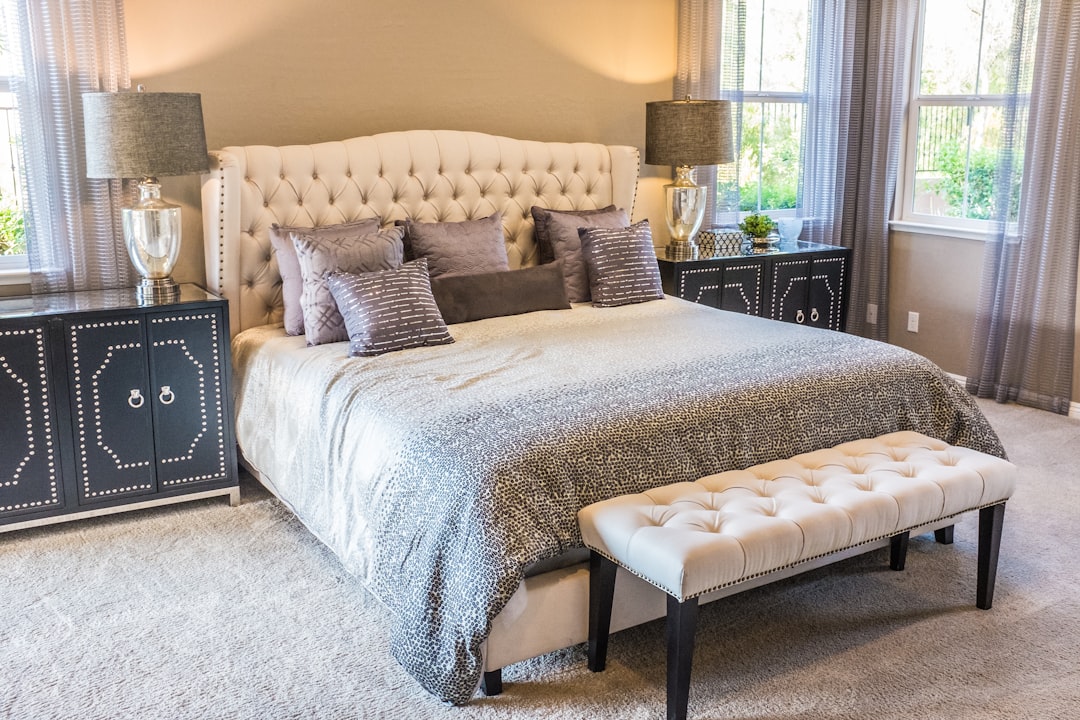
Choosing a bed is rarely just about the mattress. The frame underneath shapes how a room feels, how much storage you gain, and how well your mattress performs over time. Understanding the main bed frame types helps you match a design to your room size, ceiling height, and the way you actually live, rather than buying on looks alone.
This guide walks through the common styles, the materials they are built from, and the details that decide whether a frame is right for you: what each type is, where it works, and the small things that trip people up.
The main bed frame types at a glance
Most beds on the market are variations of a handful of core designs. Knowing the family a frame belongs to tells you most of what you need about its height, storage, and the room it suits.
- Platform beds use a low, slatted or solid base, so no box spring is needed. Clean and modern.
- Panel beds have a headboard and footboard linked by side rails, usually requiring a separate base or slat kit.
- Sleigh beds feature curved, scrolled head and foot ends for a traditional, weighty presence.
- Storage and ottoman beds lift or open to reveal storage underneath, ideal for compact homes.
- Divan beds sit on an upholstered base, often with built-in drawers, and pair with a separate headboard.
- Four-poster and canopy beds rise on four corner posts, with or without an overhead frame.
- Upholstered beds wrap the frame in fabric or leather for a soft, quiet look.
- Metal and wood frames describe the build material more than the silhouette, and cut across all the above.
Platform and panel beds
Platform beds are the default choice for a pared-back, contemporary bedroom. The mattress rests directly on a sprung or solid slatted base, which means the overall height is lower and the profile is simpler. Because there is no box spring, the cost is often lower too, and the silhouette suits the kind of restrained, uncluttered interiors we discuss across our interior design writing.
Panel beds are the more traditional cousin. They have a distinct headboard and footboard connected by rails, and the mattress usually sits higher. This extra height makes getting in and out easier for some people and gives the bed more visual weight in a larger room.
Slats versus a solid base
Slatted bases allow airflow under the mattress, which helps with moisture and longevity, an important factor in humid climates. Sprung slats add a little give; rigid slats give a firmer feel. Check the slat gap: most mattress warranties require gaps no wider than around 7cm, otherwise foam and pocket-spring mattresses can sag between them.
Storage, ottoman and divan beds
If floor space is tight, a bed that doubles as storage earns its place. These designs are some of the most useful you can choose in an apartment.
Ottoman beds
An ottoman bed lifts the entire mattress base on gas struts to reveal a deep cavity beneath. You get the full footprint of the bed as storage, with nothing protruding into the room. It suits bedding, seasonal clothing, and luggage. The trade-off is that you need clearance above the bed to lift it fully, so it is less ideal directly under a sloped ceiling.
Storage-drawer and divan beds
Drawer beds keep a fixed base and add two or four drawers along the sides. Access is quicker than an ottoman, but you need side clearance to open the drawers, and capacity is smaller. Divan beds, common in the UK and Singapore, combine an upholstered base, optional drawers, and a separate headboard. They are sturdy and easy to dress, and they pair well with broader thinking about home storage solutions when a whole bedroom needs to work harder.
Sleigh, four-poster and canopy beds
Some frames are about presence. Sleigh beds, with their curved head and foot ends, anchor a room and read as classic and substantial. They need space to breathe; in a small bedroom the footboard can dominate and make the room feel shorter.
Four-poster and canopy beds go further, drawing the eye upward with four corner posts. A modern four-poster can be slim and almost graphic, while a canopy version adds an overhead frame for drapes. Both need genuine ceiling height to look intentional rather than cramped. The vertical lines they introduce echo some of the proportional thinking found in architectural styles and principles, where scale and rhythm matter as much as the object itself.
Upholstered, metal and wood frames
Material changes the character of any silhouette. Upholstered frames, wrapped in linen, velvet, or leather, soften a room and dampen sound, which suits a calm sleeping space. They are comfortable to lean against but need occasional cleaning and can mark over time.
Wooden frames bring warmth and grain, and they age gracefully. Solid hardwood lasts decades; engineered or veneered wood costs less and stays lighter. Metal frames are durable, slim, and airy, letting light pass through, though some can creak if fittings loosen, so periodic tightening helps.
With or without a headboard
A headboard is partly practical and partly decorative. It protects the wall from contact and gives you something to lean against when reading. Tall upholstered headboards feel cocooning; low or absent headboards keep a room feeling open and minimal. If you sit up in bed often, prioritise a padded or angled headboard.
Sizing, height and mattress fit
Two beds in the same “Queen” size can still differ in external footprint, so measure the frame, not just the mattress. Allow walking space on at least one long side, ideally both, and clearance for any drawers or lifting mechanism.
Height matters more than people expect. The combined height of base plus mattress decides how easy the bed is to use. A very tall divan with a thick mattress can be a climb; a low platform bed can be hard to rise from. Aim for a top-of-mattress height roughly level with the back of your knees when seated.
- Measure the room and mark the frame’s external footprint with tape before buying.
- Confirm slat spacing suits your mattress type to protect its warranty.
- Check assembly access, especially stair turns and lift dimensions for bulky divans.
- Match the base to the mattress: foam and pocket springs prefer firm, evenly spaced support.
Common mistakes to avoid
The most frequent error is buying for the showroom look and ignoring the room the frame must live in. A grand sleigh in a tight bedroom feels heavy; a barely-there metal frame in a large room can feel under-scaled. Match the visual weight of the frame to the volume of the space.
The second mistake is overlooking the base entirely. A beautiful headboard means little if the slats sag or the box base squeaks. Treat the support system as the priority and the styling as the finish. If you are coordinating a bed within a wider renovation, it pays to plan early; our notes on renovation cost in Singapore can help you budget furniture alongside the build.
Frequently asked questions
Do I need a box spring with my bed frame?
Only certain frames require one. Platform beds and most slatted frames support the mattress directly and do not need a box spring, while traditional panel and metal bedstead designs may rely on one for height and support, so check the manufacturer’s guidance for your specific frame and mattress.
Which bed frame type is best for small bedrooms?
An ottoman or storage-drawer bed usually serves small rooms best because it reclaims the floor space under the mattress for storage, and a low platform frame without a footboard keeps the room feeling open and uncluttered.
Are metal or wooden bed frames more durable?
Both can last for many years; solid hardwood frames are extremely durable and age well, while quality metal frames resist wear and pests, though metal fittings can loosen over time and benefit from occasional tightening to prevent creaking.
How much space should I leave around a bed?
Leave at least 60cm of walking room on any side you use, and add clearance for drawers to open or for an ottoman base to lift fully, so the bed remains practical to use and to make each day.
Can any headboard fit any bed frame?
Not always; headboards attach either to the frame or directly to the wall, and fixing points and widths vary, so confirm the mounting method and bolt spacing match your frame, or choose a freestanding headboard that simply sits behind the bed.
Related reading
- Types of Curtains and Drapes: A Buyer’s Guide
- Curtains vs Blinds: Which to Choose for Your Home
- Color Psychology in Interior Design: A Practical Guide
- Best Bedroom Paint Colors: A Calming Buyer’s Guide
Planning a bedroom refresh and want a considered, accountable approach to layout and structure? Talk to our consultancy or get in touch.


