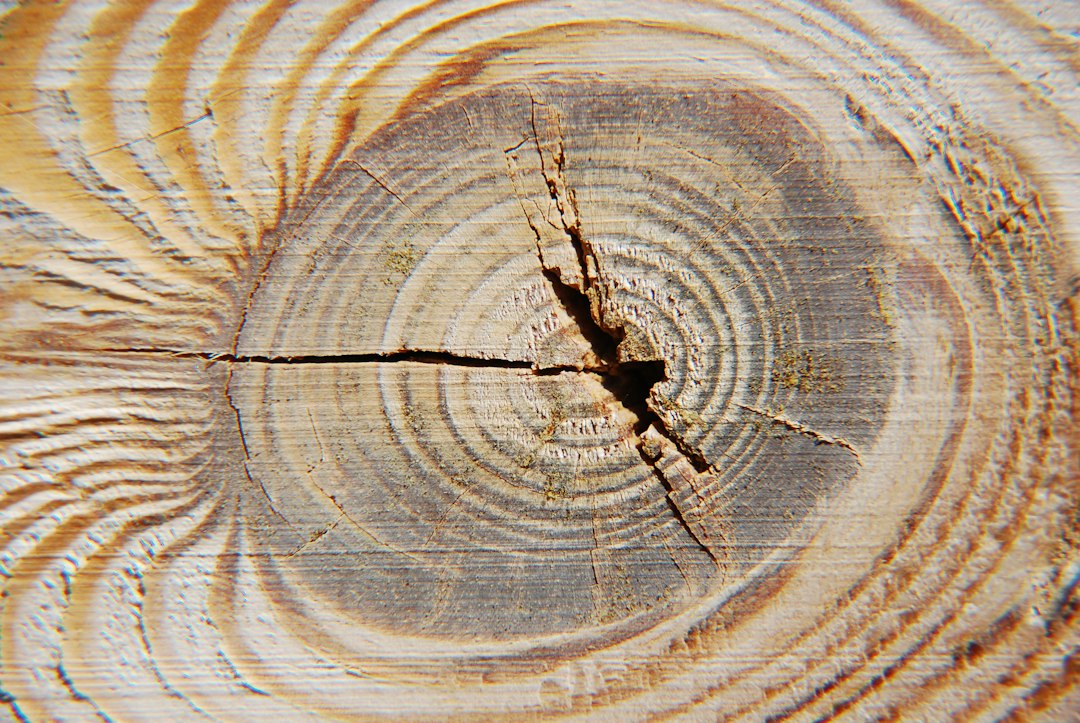
Wood rot is the decay of timber by fungi that feed on its cellulose and lignin. It turns door frames soft at the base, makes window sills crumble, weakens roof timbers and floor joists, and in serious cases compromises the structure of a timber-framed building. In Singapore’s warm, humid climate, wherever timber stays wet it is at risk, and the decay can be well advanced before it is visible.
This article explains how rot develops, the difference between wet rot and dry rot and why that difference matters in the tropics, how to find and assess decay, and how to repair it properly rather than simply filling and painting over it.
How wood rot starts
Wood-decay fungi spread through spores that are present practically everywhere. They need four things to grow: a food source (the wood itself), oxygen, a suitable temperature and enough moisture. Indoors in Singapore, food, oxygen and temperature are almost always available. The variable that decides whether timber rots is moisture.
Dry, well-seasoned timber in service is generally too dry for decay fungi. Rot typically begins when timber stays wet for prolonged periods, with moisture content commonly cited as needing to be above roughly 20 per cent and sustained. That happens where timber is in contact with damp masonry or concrete, exposed to rain without protection, sitting in water at floor level, or close to a slow, hidden leak. Short wetting followed by drying rarely causes rot; continuous or repeated wetting does.
Wet rot, dry rot and the tropical picture
The terms are often used loosely, but they describe different organisms and behaviours.
Wet rot
Wet rot is a general name for a range of decay fungi that need timber to remain quite wet. Decay stays largely confined to the wet area and stops once the source of water is removed and the timber dries. Wet rots are usually described by the appearance of the decayed wood:
- Brown rot breaks down the cellulose and leaves a dark, brittle residue that cracks into small cubes and crumbles to powder.
- White rot attacks both cellulose and lignin, leaving wood pale, soft, fibrous and stringy.
- Soft rot affects very wet timber, especially in ground or water contact, softening the surface layers.
Dry rot
“True” dry rot, caused by the fungus Serpula lacrymans, is notorious in older buildings in cool temperate climates because it can spread across masonry with fine strands and attack drier timber some distance from the original source. It favours moderate temperatures and does not tolerate sustained heat well, so it is considered uncommon in tropical conditions. In Singapore, almost all timber decay is from wet rots, but the name “dry rot” is still widely used for any rot that looks dry and crumbly. That is usually brown rot, and it behaves like wet rot: once the moisture is removed, it stops.
The distinction matters because it changes the repair. Treatment for true dry rot in temperate countries can involve extensive removal and treatment of surrounding masonry; for wet rot, the essential step is to stop the water and remove the decayed timber.
Where to look for rot in Singapore buildings
- Door frames and architraves at floor level in bathrooms, kitchens and external doors, where mopping water and wet floors soak the end grain.
- Window frames and sills, especially on exposed elevations where paint has cracked and water collects at joints.
- Built-in carpentry under sinks and around washing machines, where slow leaks go unnoticed for months.
- Timber floors, joists and stair stringers in older houses and shophouses, particularly where they bear into damp masonry walls.
- Roof timbers — rafters, purlins, wall plates and fascia boards beneath leaking roofs, valleys and gutters.
- External timber such as decking, pergolas, screens and timber cladding.
Testing and assessing decay
Visual signs include darkening, cracking across the grain, a soft or spongy surface, paint that has blistered or sunk, fungal growths and a musty smell. The most useful site test remains a sharp probe: press a bradawl or small screwdriver into the timber. Sound wood resists and lifts out long splinters; decayed wood gives easily and breaks into short, brittle fragments. Tapping helps find hollow areas beneath an intact painted surface.
A moisture meter tells you whether the timber is still wet, which matters for diagnosis and for knowing whether the decay is still active. For structural members in older buildings, engineers may use drilling resistance testing or take cores to estimate the remaining sound section without opening up everything.
Distinguishing rot from insect attack is important. Termites leave timber hollowed along the grain, often packed with soil, with mud tubes on nearby walls; our article on termites in Singapore explains how to recognise them. Wood-boring beetles leave small, clean exit holes and fine powder. Rot and insects often occur together, since damp, softened wood attracts both.
Repairing wood rot properly
A durable repair follows the same order every time: find and stop the moisture, remove the decayed timber, restore the section and protect it.
- Fix the water source. Repair the leak, roof, gutter, flashing, sealant joint or detail that kept the timber wet. Without this, any repair will rot again.
- Cut back to sound timber. Remove all soft, discoloured or crumbly material, plus a margin of apparently sound wood beyond it, until the probe meets firm resistance.
- Restore the section. For small, non-structural areas such as a sill corner, a two-part epoxy consolidant and filler can be suitable. For larger areas, splice in new timber of a durable or preservative-treated species with glued and mechanically fixed joints. Badly decayed members are replaced.
- Protect and detail. Treat the cut and new timber with a suitable preservative, seal end grain, prime and paint or finish, and change details so water drains away — for example, raising door frames off wet floors or adding drip details to sills.
Where the decayed element is structural — a joist, beam, rafter, wall plate, stair stringer or a timber post — the repair should be designed by an engineer. Partial decay can reduce a member’s strength far more than the visible damage suggests, and splices and new connections must transfer load properly. Timber in older buildings is often part of a wider system of floors and roofs, and a structural inspection of the older building is usually worth carrying out at the same time.
Preventing rot in new and renovated work
Prevention is mainly a matter of keeping timber dry and choosing materials that suit their exposure. Specify durable species or preservative-treated timber for external use and for anything near wet floors. Keep timber off concrete and masonry with a damp-proof layer or small gap. Seal end grain, which absorbs water far faster than face grain. Detail joints so water runs off rather than sitting in them, and maintain paint and coatings before they crack. In wet areas, consider moisture-resistant boards or non-timber alternatives for elements that are frequently wetted.
Modern engineered wood products are stable and strong, but most are not inherently more resistant to decay than solid timber; they still need the same protection from persistent moisture. For timber staircases in particular, the bottom steps and stringer feet are the usual weak point, as discussed in our guide to the timber staircase.
Frequently asked questions
What is the difference between wet rot and dry rot?
Wet rot covers a range of fungi that need timber to stay wet and generally stop once it dries. True dry rot is a specific fungus that can spread across masonry and attack drier timber further away, and it is a problem mainly in cool temperate climates. In Singapore, almost all decay is wet rot, including the dry, crumbly brown rot that people often call dry rot.
Can wood rot be stopped without replacing the timber?
Decay stops when timber is dried and kept dry, but the decayed wood does not recover its strength. Small non-structural areas can be cut back and restored with epoxy consolidants and fillers. Larger or structural areas need the decayed material removed and replaced or spliced with new timber.
Is wood rot dangerous?
In door frames and trim it is mostly a maintenance problem. In joists, beams, rafters, stair stringers and posts it can reduce load-carrying capacity significantly and lead to sagging or collapse of the affected element. Structural timber with rot should be assessed by an engineer.
How do I know if it is rot or termites?
Rot usually shows as soft, darkened or cracked timber, often with a damp, musty smell and a nearby water source. Termite damage tends to hollow wood along the grain, frequently with soil packed inside and mud tubes on nearby surfaces. The two often occur together, so a careful inspection is worth having.
Can you paint over wood rot?
No, painting over wood rot only hides it, and the decay continues underneath while the water source remains. Paint can also trap moisture in the timber and make rot worse. The decayed wood must be cut back to sound timber, the moisture source fixed, the section restored with filler or new timber, and then primed and painted.
Does wood rot spread to other timber?
Wet rot, which accounts for almost all decay in Singapore, generally stays confined to timber that remains wet and does not spread through dry wood. It can, however, affect any neighbouring timber that is exposed to the same leak or damp. Once the moisture source is fixed and the timber dries, the fungus becomes inactive, although decayed wood never regains its strength.
Which timber is most resistant to rot in Singapore?
Naturally durable tropical hardwoods such as chengal, balau, belian and teak are among the most rot-resistant timbers for Singapore conditions, particularly their heartwood. Sapwood of any species is much less durable. For external decking, pergolas and timber near wet floors, either a durable heartwood or properly preservative-treated timber should be specified, with end grain sealed.
Can preservative-treated timber still rot?
Yes, preservative-treated timber can still rot if it stays wet for long periods, especially at cut ends and drilled holes that were not re-treated after cutting. Treatment greatly slows decay but does not make timber permanently immune. Seal or brush-treat all cut surfaces on site, keep timber off wet masonry, and detail joints so water drains away.
Related reading
- Fire Rated Door Guide: Ratings, Components and SCDF Rules
- What Is a Lintel? Types, Sizing and Common Mistakes
- Concrete Cover: Why It Matters and How Much You Need
- Types of Welding in Steel Construction Explained
Found rot in structural timber or a roof you rely on? Talk to our consultancy or get in touch for an engineer’s assessment and repair design.