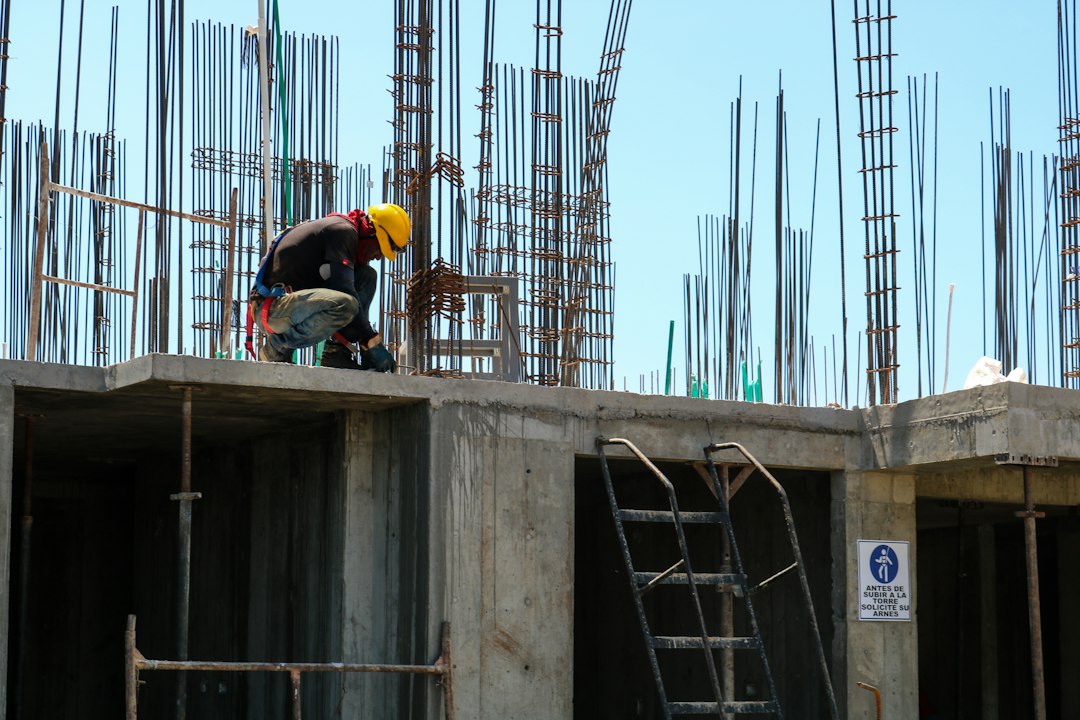
The appeal of turnkey construction is in the name. The owner hands over a brief and a budget, a single contractor designs, builds, equips and commissions the facility, and at the end the owner is handed the key to something ready to use. One contract, one point of responsibility, one price.
The reality is more nuanced. Turnkey arrangements shift a great deal of risk and control to the contractor, and how well they work depends on how clearly the owner defines what it wants at the outset. This article explains what turnkey contracting covers, how it compares with design and build, where the risks sit, and how the arrangement fits Singapore’s regulatory framework. It is general guidance rather than legal advice.
What turnkey construction means
In a turnkey contract, one party takes responsibility for delivering a complete, functioning facility. The scope typically runs from design development through procurement, construction, installation of equipment, testing and commissioning, and sometimes training of the owner’s staff. The owner’s role is concentrated at the beginning, in defining requirements, and at the end, in accepting the finished facility.
The term is used loosely in the market. In industrial and infrastructure work it often overlaps with engineering, procurement and construction (EPC) contracts, where the contractor delivers a process plant or power facility against performance guarantees. In commercial fit-outs and residential work, “turnkey” is frequently used to mean that the contractor handles everything, including furniture, fittings and sometimes approvals, so the owner can move straight in. The legal content of the arrangement comes from the contract, not the label.
Turnkey versus design and build
Turnkey is best understood as a form of design and build taken further. In both, the contractor carries design responsibility. The differences are usually of degree:
- Extent of scope: design and build typically ends with a completed building; turnkey extends to fit-out, equipment and commissioning, so the facility is operational on handover.
- Owner involvement: under design and build the owner often develops the design to a stage, then novates the consultants or sets detailed employer’s requirements. Under a pure turnkey model the owner specifies mainly outcomes and performance.
- Price certainty: turnkey contracts are commonly lump-sum and fixed-date, with the contractor taking the risk of its own design developing beyond its estimate.
- Performance obligations: turnkey and EPC contracts frequently include fitness-for-purpose obligations or performance tests, which go beyond the reasonable-skill-and-care standard a consultant normally owes.
Our overview of types of construction contracts sets out how these models sit alongside traditional, measured and management arrangements.
Where the risk sits
The defining feature of turnkey construction is the transfer of risk to the contractor. Design errors, coordination failures between disciplines, procurement delays and much of the cost risk are the contractor’s to manage. That is attractive to owners who lack in-house technical resources or who need firm cost and time commitments, for example to satisfy lenders.
It comes at a price. Contractors pricing a turnkey package include contingency for the risks they are absorbing, and the tender sum is typically higher than the sum of the same elements procured separately with the owner holding the risk. The owner is effectively buying certainty. Whether that is good value depends on how real those risks are and how well the owner could have managed them itself.
Some risks cannot be transferred easily. Ground conditions, authority requirements that change mid-project, and changes the owner makes after contract are common sources of dispute. A turnkey contract that is silent on these will usually end in arguments over variations and extensions of time, which undermines the single-point certainty the owner was paying for.
The owner’s loss of control and how to manage it
Under a turnkey arrangement, design decisions sit with the contractor’s team, whose incentive is to meet the requirements at the lowest cost to itself. That is not sinister; it is how a fixed price works. But it means anything the owner has not specified clearly may be delivered to the minimum that satisfies the words of the contract.
Owners protect themselves through the quality of their requirements. Useful practices include:
- Writing performance specifications that state measurable outcomes: floor loadings, spans, finishes standards, mechanical capacities, acoustic and thermal criteria.
- Setting review rights at defined design stages, with clear limits so review does not shift design liability back to the owner.
- Appointing an independent owner’s representative or technical adviser, including a structural engineer, to check submissions and inspect work.
- Defining testing, commissioning and acceptance procedures in the contract, not leaving them to be agreed at the end.
In our consulting work, the most effective turnkey projects are those where the owner invested in a short, rigorous brief and independent review. A modest fee spent at that stage costs far less than a dispute about what “fit for purpose” meant.
Turnkey construction under Singapore’s regulatory framework
A turnkey contract changes who employs the designers, not the statutory obligations. Under Singapore’s Building Control Act, building works requiring approval must be designed and supervised by appropriately registered Qualified Persons, and structural plans must be prepared and endorsed by a Professional Engineer. In a turnkey arrangement, those professionals are usually engaged by the contractor, but their statutory duties to the Commissioner of Building Control remain personal and cannot be contracted away. Our note on the Qualified Person role explains those duties.
The statutory milestones are also the same. The building still needs plan approval, permit to commence works, inspections, and the Temporary Occupation Permit or Certificate of Statutory Completion at the end. Owners sometimes assume a turnkey contractor “handles approvals” and so treat them as background. In practice, the owner should require visibility of submissions and approvals, because a building that cannot be legally occupied has not really been handed over turnkey.
For smaller residential and fit-out projects, “turnkey” packages are common among renovation firms. The same discipline applies: a clear written scope, an itemised quotation and a sensible payment schedule. The renovation quotation guide covers how to read such offers.
When turnkey construction is the right choice
Turnkey works best where requirements can be specified by performance, where the owner values cost and time certainty over design control, and where the facility is functional rather than architecturally sensitive: industrial buildings, data and utility facilities, standardised commercial units and repeat-type projects.
It is less suitable where the design is the point, as with a bespoke home or a civic building, or where the owner expects to change its mind as the design evolves. In those cases a traditional or two-stage approach, with the owner retaining its own architect and engineer, usually gives better results for the money.
Frequently asked questions
Is turnkey construction the same as design and build?
They are closely related. Both place design responsibility on the contractor. Turnkey generally goes further, covering fit-out, equipment and commissioning so the facility is ready to operate on handover, and it more often includes performance or fitness-for-purpose obligations.
Is a turnkey contract always more expensive?
The tender price is usually higher than separately procured elements, because the contractor prices the risks it takes on. Whether the overall cost is higher depends on how those risks would have played out had the owner kept them. Owners pay for certainty rather than for extra work.
Who is responsible for structural design in a turnkey project?
Contractually, the turnkey contractor, through the engineers it appoints. Statutorily in Singapore, the Professional Engineer who prepares and endorses the structural plans carries personal responsibility to the authorities regardless of who employs them.
Can the owner make changes under a turnkey contract?
Usually yes, through a variation mechanism, but changes undermine the price and programme certainty that justify the model. Turnkey suits owners who can settle requirements early. Frequent changes tend to generate claims and erode the original benefit.
Related reading
- Site Supervision and the Clerk of Works in Singapore
- Performance Bond in Construction: How It Works in Singapore
- Method Statement in Construction: What It Should Cover
- Construction Project Management: A Practical Guide
Considering a turnkey or design-and-build route and want independent engineering review on your side of the table? Talk to our consultancy or get in touch.